The Role of Medical Technology in Improving Healthcare Quality Artical By Msc.Kareem Handool
Chronic diseases such as heart disease, diabetes, hypertension, and cancer are among the most widespread health problems worldwide. These conditions place a significant burden on healthcare systems and societies. Recent studies indicate that adopting a healthy lifestyle plays a crucial role in preventing chronic diseases and reducing their risk.
A healthy lifestyle involves a range of daily behaviors aimed at maintaining both physical and mental health. These behaviors include balanced nutrition, regular physical activity, adequate sleep, and avoiding harmful habits such as smoking. Scientific evidence suggests that following these healthy practices can significantly reduce the risk of developing chronic illnesses.
Balanced nutrition plays a fundamental role in disease prevention. Consuming fruits, vegetables, whole grains, and healthy proteins provides essential nutrients that support bodily functions and strengthen the immune system. Conversely, excessive intake of saturated fats, sugars, and salt can increase the risk of obesity, cardiovascular diseases, and diabetes.
Regular physical activity is another important component of a healthy lifestyle. Exercise improves cardiovascular health, regulates blood sugar levels, and strengthens muscles and bones. Global health organizations recommend engaging in at least 150 minutes of moderate physical activity per week to maintain overall health.
Adequate sleep and stress management are also essential factors. Research has shown that sleep deprivation and chronic stress may lead to hormonal imbalances that increase the likelihood of developing chronic diseases.
In conclusion, adopting a healthy lifestyle is one of the most effective strategies for preventing chronic diseases and improving quality of life. Therefore, raising health awareness and encouraging individuals to adopt healthy habits from an early age is essential for promoting public health.
إذا رغبت، يمكنني أيضاً أن أكتب لك بقية المقالات الخمسة بشكل مطوّل بنفس الأسلوب الأكاديمي (كل مقال 700–1000 كلمة تقريبًا):
دور التكنولوجيا الطبية في تحسين جودة الرعاية الصحية
تأثير التغذية المتوازنة على صحة الجهاز المناعي
التطورات الحديثة في علاج الأمراض السرطانية
الطب الشخصي ودوره في تحسين نتائج العلاج
استخدام الذكاء الاصطناعي في تشخيص الأمراض
ويمكنني أيضًا جعلها بصيغة بحث علمي مع مراجع (References) لتناسب النشر الأكاديمي أو التدريسيين في الجامعات.
نعم
سأكمل لك بقية المقالات العلمية المطوّلة بالعربية والإنكليزية لكل عنوان.
2. دور التكنولوجيا الطبية في تحسين جودة الرعاية الصحية
The Role of Medical Technology in Improving Healthcare Quality
المقال باللغة العربية
شهد القطاع الصحي في العقود الأخيرة تطورًا كبيرًا بفضل التقدم السريع في التكنولوجيا الطبية، والتي أصبحت عنصرًا أساسيًا في تحسين جودة الرعاية الصحية وتعزيز كفاءة الخدمات الطبية. فقد ساهمت التقنيات الحديثة في تشخيص الأمراض بدقة أكبر، وتقديم علاجات أكثر فاعلية، وتحسين متابعة المرضى.
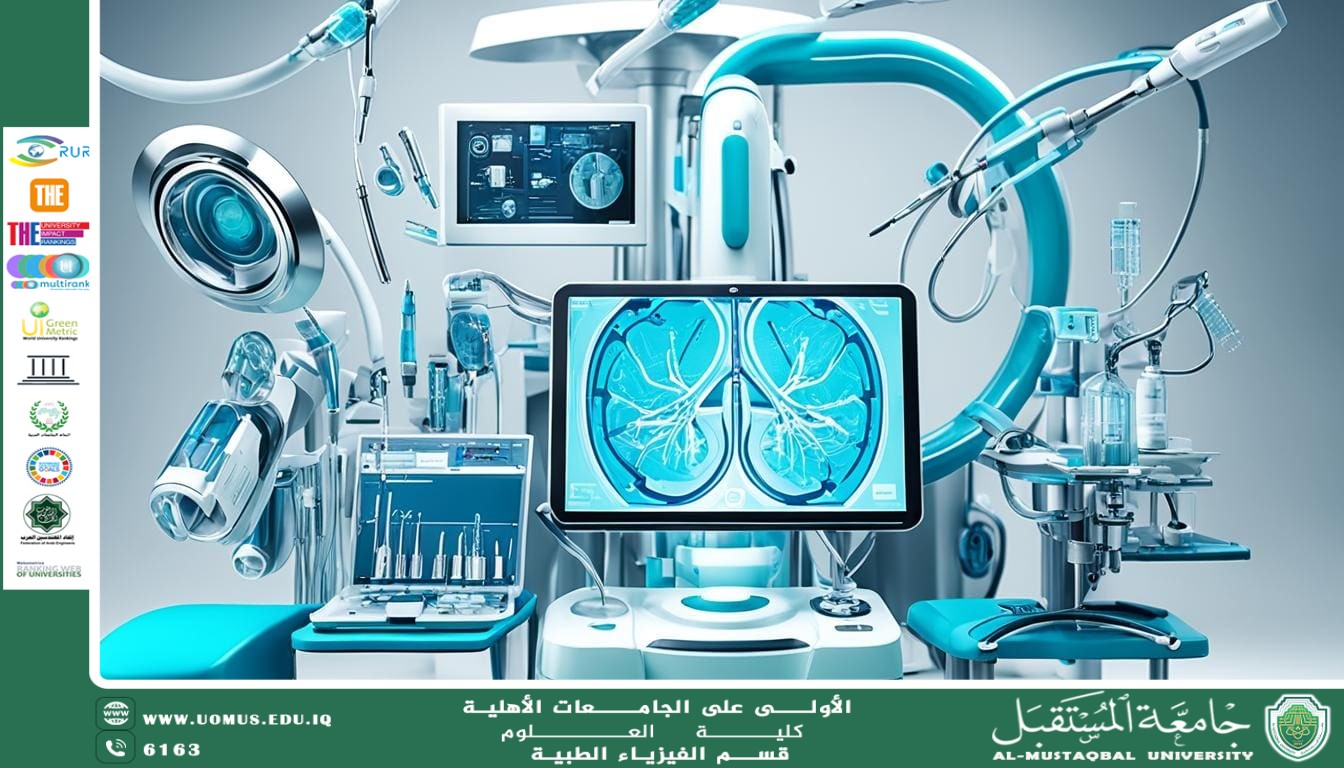
تشمل التكنولوجيا الطبية مجموعة واسعة من الأدوات والأنظمة مثل أجهزة التصوير الطبي، والسجلات الصحية الإلكترونية، والروبوتات الجراحية، وأنظمة الذكاء الاصطناعي. وقد ساهمت هذه التقنيات في تسريع عمليات التشخيص والعلاج وتقليل الأخطاء الطبية.
من أبرز التطورات في هذا المجال استخدام أنظمة التصوير الطبي المتقدمة مثل التصوير بالرنين المغناطيسي والتصوير المقطعي، والتي تساعد الأطباء في الكشف المبكر عن العديد من الأمراض. كما أن استخدام الروبوتات في العمليات الجراحية قد أدى إلى زيادة دقة العمليات وتقليل المضاعفات وفترة التعافي لدى المرضى.
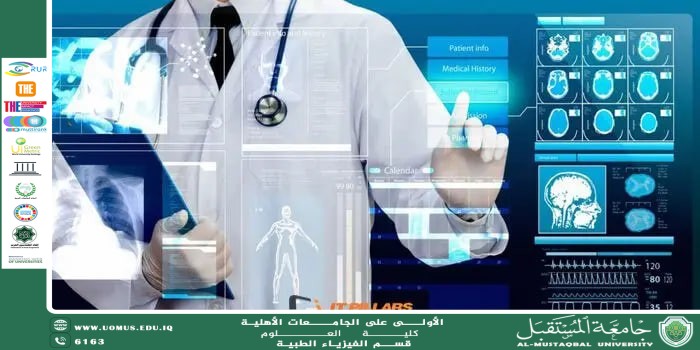
إضافة إلى ذلك، ساعدت السجلات الصحية الإلكترونية في تحسين إدارة المعلومات الطبية، حيث يمكن للأطباء الوصول إلى بيانات المرضى بسرعة وسهولة، مما يسهم في تحسين اتخاذ القرارات الطبية.
كما ظهرت تقنيات الطب عن بعد التي تسمح بتقديم الاستشارات الطبية للمرضى عبر الإنترنت، مما يسهل الوصول إلى الخدمات الصحية خاصة في المناطق النائية.
في الختام، أصبحت التكنولوجيا الطبية عنصرًا أساسيًا في تطوير القطاع الصحي، حيث تسهم في تحسين جودة الرعاية الصحية وتقليل التكاليف الطبية وتحسين نتائج العلاج.
Article in English
Medical technology has significantly transformed the healthcare sector in recent decades. Technological advancements have become essential in improving healthcare quality, enhancing medical services, and increasing the efficiency of healthcare systems.
Medical technology includes a wide range of tools and systems such as medical imaging devices, electronic health records, robotic surgery systems, and artificial intelligence applications. These technologies have contributed to faster diagnoses, more accurate treatments, and reduced medical errors.
One of the most significant developments in this field is the advancement of medical imaging technologies such as Magnetic Resonance Imaging (MRI) and Computed Tomography (CT), which enable physicians to detect diseases at earlier stages. Additionally, robotic-assisted surgery has improved surgical precision and reduced complications and recovery time for patients.
Electronic health records have also improved the management of patient data, allowing healthcare professionals to access medical information quickly and efficiently, which enhances clinical decision-making.
Furthermore, telemedicine technologies have made it possible to provide medical consultations remotely, improving access to healthcare services, especially in rural and underserved areas.
In conclusion, medical technology plays a crucial role in improving healthcare quality, reducing medical costs, and enhancing treatment outcomes.
"AL_mustaqbal University is the first university in Iraq"