Pipeline Corrosion: Engineering Challenges and Advanced Mitigation Strategies
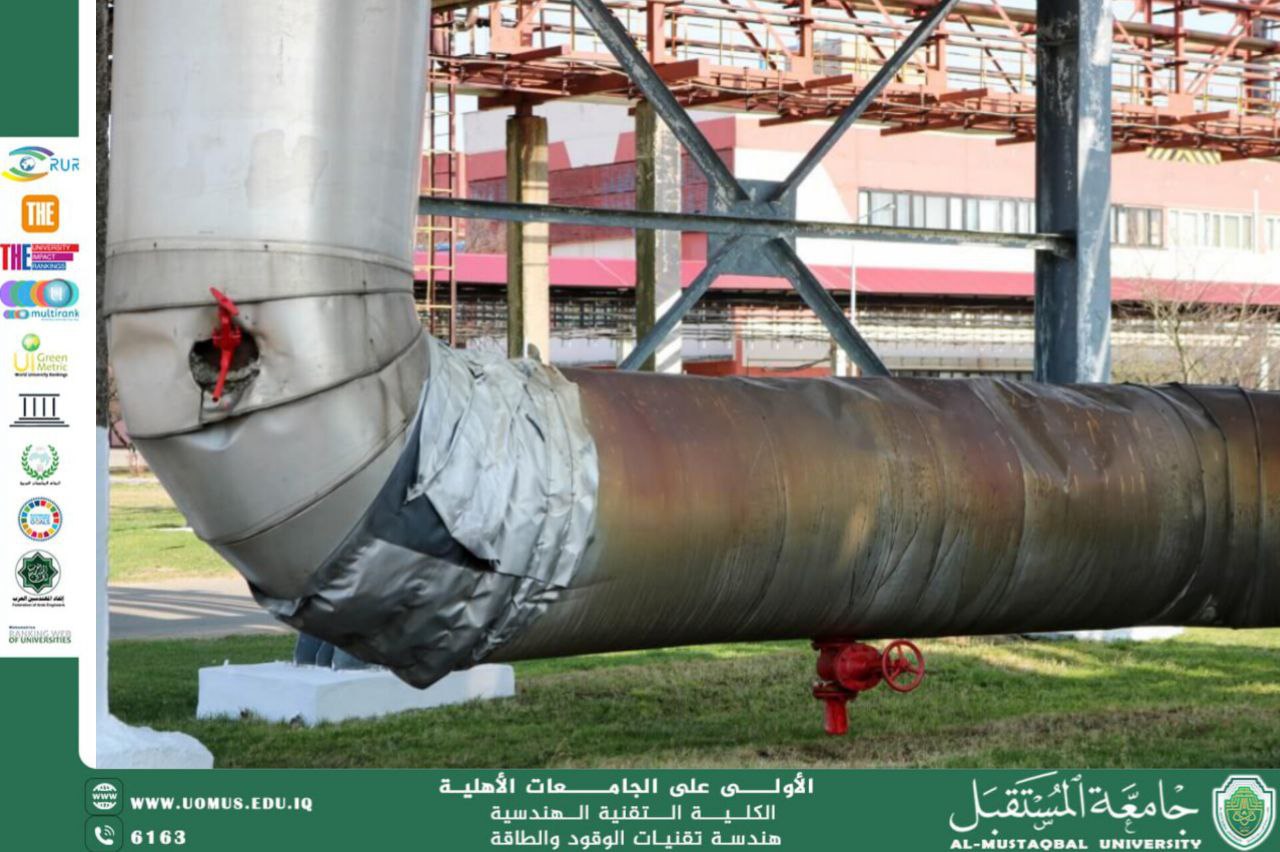
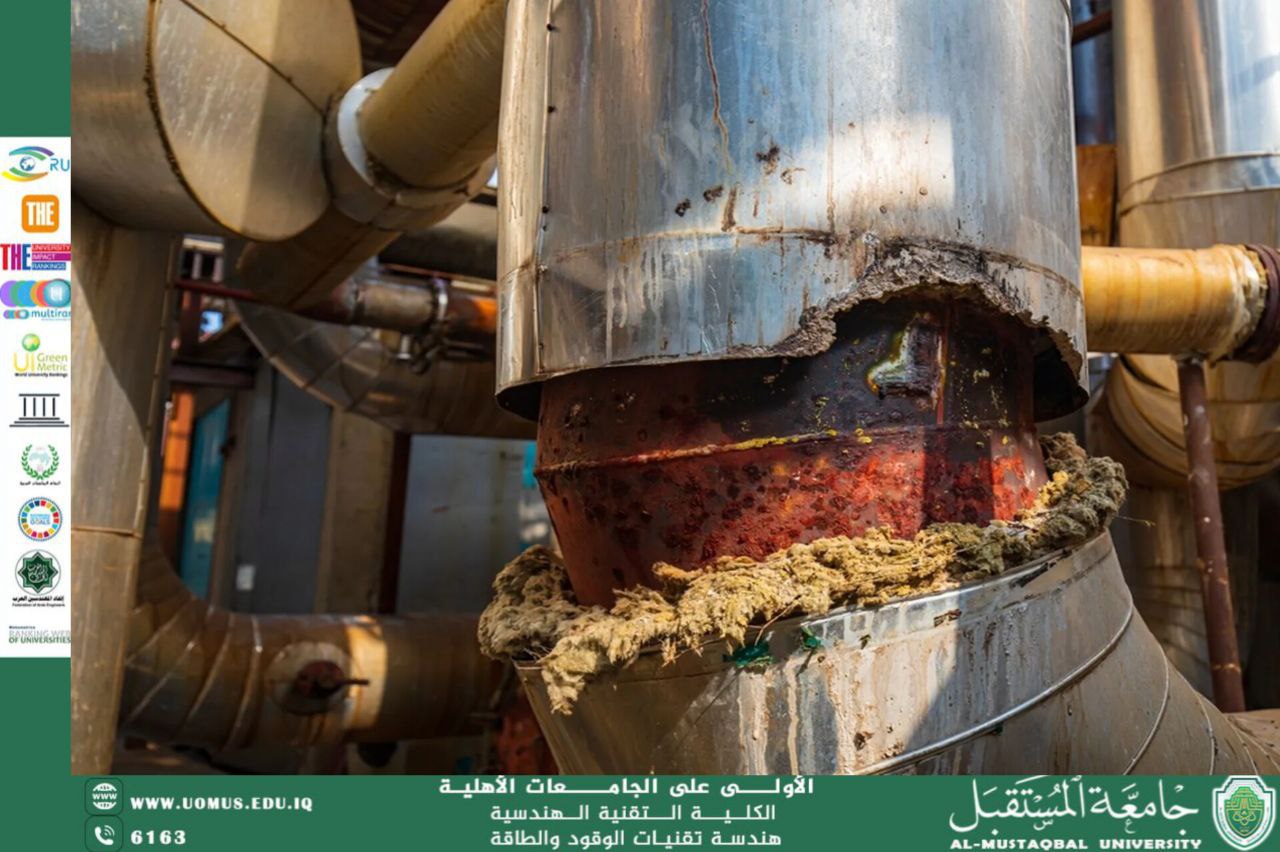
Pipeline corrosion represents one of the most critical engineering challenges faced by various industrial sectors, ranging from oil and gas, chemical industries, to water supply and wastewater networks, due to its direct impact on operational efficiency and the safety of environmental and industrial infrastructure. Corrosion manifests as a reduction in metal thickness and the formation of cracks or holes, increasing the likelihood of leaks and costly failures, while adversely affecting production continuity and infrastructure reliability.
The causes of pipeline corrosion are multifaceted. Chemical factors, such as interactions between transported substances and the metallic materials of the pipes—including acids, alkalis, oxidizing gases, and dissolved salts—accelerate metal loss and promote the formation of rust or scale layers. Physical factors also play a significant role, including high temperatures, elevated pressures, and friction caused by the flow of solid particles or sediments within the pipes, resulting in mechanical corrosion or erosion corrosion. Electrochemical corrosion is among the most common forms in systems exposed to moisture or electrical currents, where contact between dissimilar metals or stray currents promotes oxidation reactions on the pipe surface. Additionally, external corrosion caused by wet soils, environmental conditions, or acidic/alkaline soils poses a significant threat to buried networks, often remaining hidden and difficult to detect without advanced inspection technologies.
To combat corrosion, industries employ a range of precise engineering and technical solutions, such as using corrosion-resistant steel alloys, applying advanced protective coatings, or introducing corrosion inhibitors into the fluids transported through the pipes. Cathodic protection technology is considered one of the most effective methods, generating a counteracting electric current that reduces oxidation and slows metal loss. Preventive maintenance and regular inspections are also crucial, as techniques like ultrasonic testing, magnetic resonance, X-ray imaging, and electrical conductivity tests enable early detection of vulnerable areas and allow intervention before critical failures occur.
From a management perspective, corrosion control strategies include implementing detailed monitoring programs for transported materials, tracking pH levels, oxygen concentration, and temperature, in addition to training technical personnel in best engineering practices and relying on industrial risk management systems. Understanding the chemical, physical, and electrochemical phenomena of corrosion, combined with integrated engineering solutions, not only enhances operational efficiency and extends pipeline lifespan but also protects economic and environmental resources, ensuring high levels of occupational safety and industrial sustainability. Consequently, corrosion management represents a strategic, indispensable element in any industry reliant on pipeline networks as the primary conduit for material and energy flow.