The Impact of Chronic Stress on the Nervous System (Asst. Lecturer Huwayda Nazzal Hussein)
Stress is a natural physiological response that helps the body cope with challenges or threats. When a person encounters a stressful situation, the brain activates a series of biological processes designed to enhance survival. However, when stress becomes chronic and persists over long periods, it can have harmful effects on the nervous system.
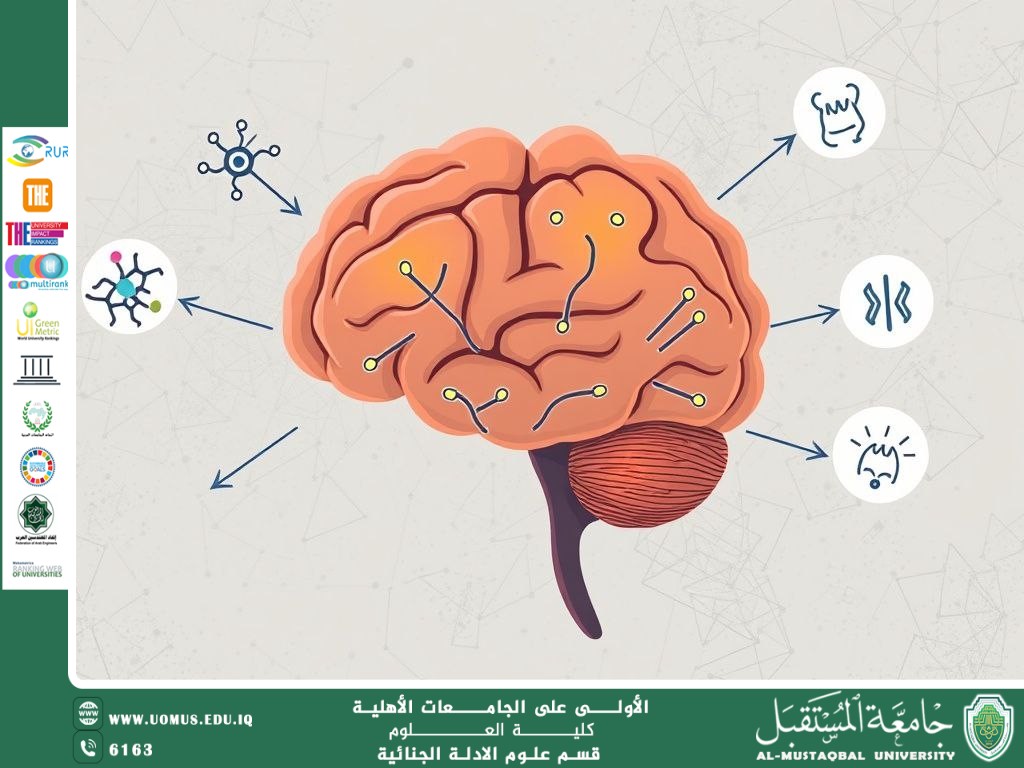
The stress response begins in the brain, particularly in the hypothalamus, which activates the hypothalamic–pituitary–adrenal (HPA) axis. This activation leads to the release of hormones such as cortisol and adrenaline, which increase heart rate and provide the body with additional energy.
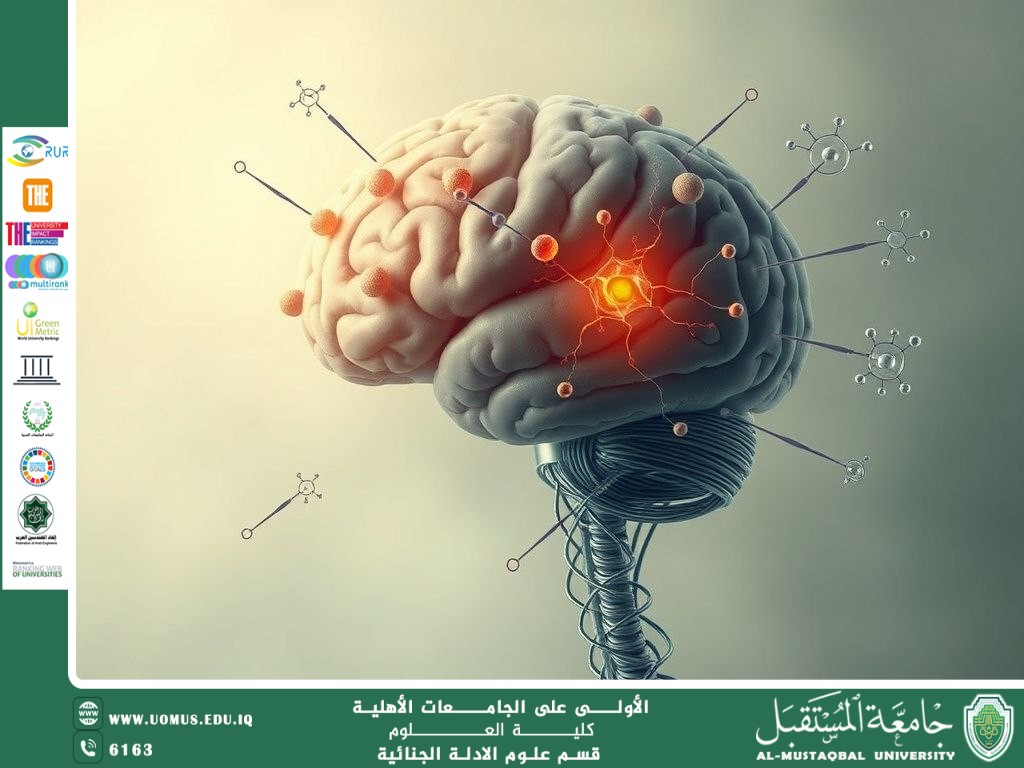
Under normal circumstances, the stress response subsides once the threat disappears. In chronic stress, however, cortisol levels remain elevated for extended periods. Prolonged exposure to high cortisol levels can lead to structural and functional changes in the brain.
Research has shown that chronic stress particularly affects the hippocampus, a brain region essential for memory and learning. Long-term cortisol exposure may reduce neurogenesis and impair memory formation.
Chronic stress can also influence the prefrontal cortex, which is responsible for decision-making and emotional regulation. At the same time, it may increase the activity of the amygdala, the brain region associated with fear and emotional responses.
Furthermore, chronic stress is linked to an increased risk of several psychological disorders, including depression, anxiety, and sleep disturbances. It may also weaken the immune system and increase the likelihood of cardiovascular diseases.
For these reasons, managing stress is essential for maintaining brain health. Effective stress-reduction strategies include regular physical activity, meditation, adequate sleep, and strong social support.
Al-Mustaqbal University – the first university in Iraq.