The Relationship Between Hormones and Human Behavior (Asst. Lecturer Huwayda Nazzal Hussein)
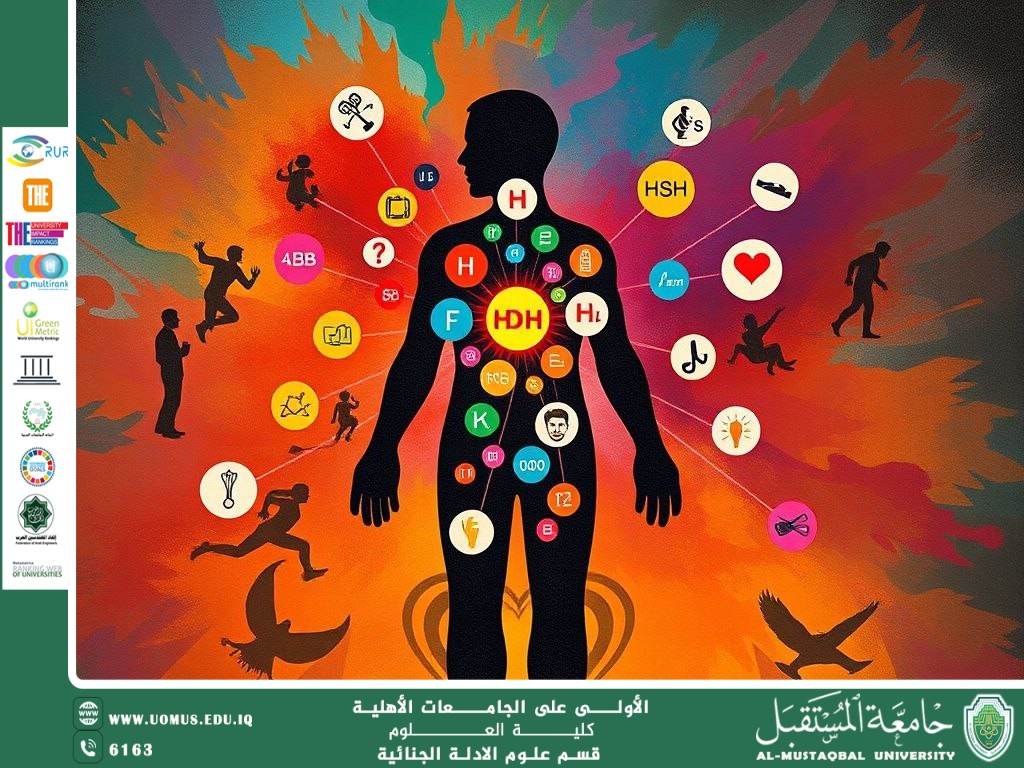
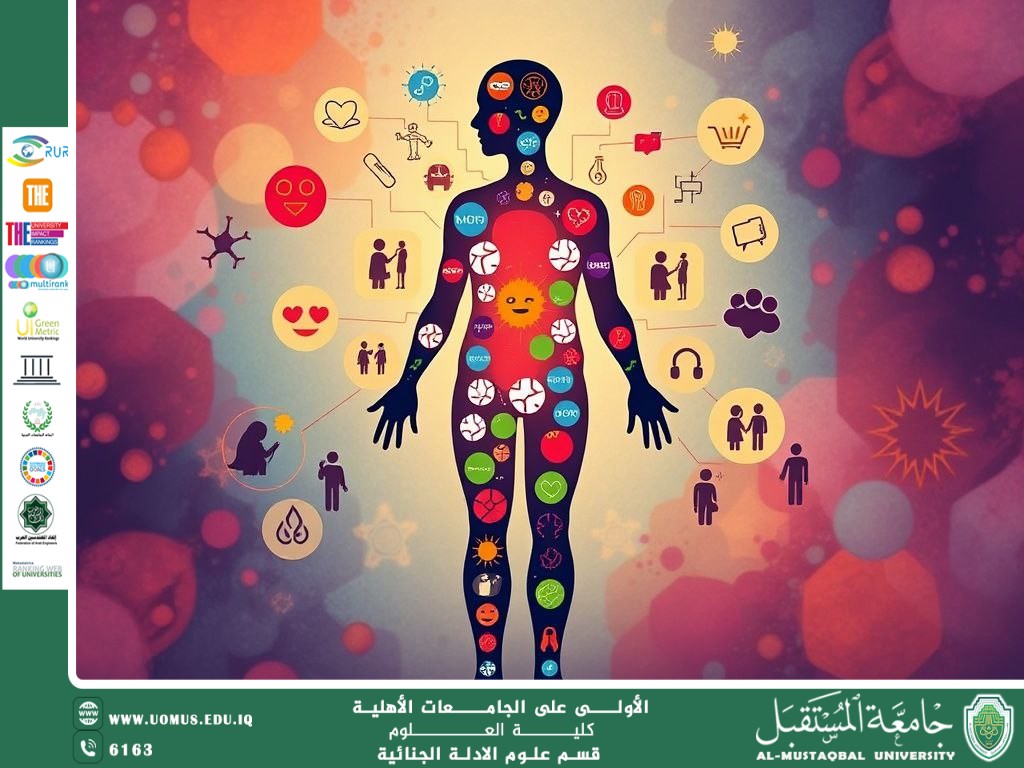
Hormones play a fundamental role in regulating many physiological processes in the human body, including growth, metabolism, and reproduction. In addition, hormones significantly influence human behavior and emotions.
Hormones are chemical messengers secreted by the endocrine glands, such as the pituitary gland, thyroid gland, and adrenal glands. These substances travel through the bloodstream to affect various organs, including the brain.
One of the most important hormones associated with behavior is dopamine, which is involved in the brain’s reward system. Activities such as eating enjoyable food or achieving goals stimulate dopamine release, producing feelings of pleasure and motivation.
Another important hormone is serotonin, which plays a major role in regulating mood and emotional well-being. Low serotonin levels are often associated with conditions such as depression and anxiety.
Oxytocin, sometimes referred to as the "bonding hormone," plays an essential role in social interaction, trust, and emotional attachment. Its release increases during positive social interactions.
Testosterone is associated with competitive behavior and, in some cases, aggression. It also influences energy levels and confidence.
Meanwhile, cortisol, known as the stress hormone, can affect emotional behavior when its levels remain elevated for long periods.
Overall, hormones do not solely determine human behavior; rather, they interact with psychological, social, and environmental factors to shape complex behavioral patterns.
Al-Mustaqbal University – the first university in Iraq.