Vitiligo
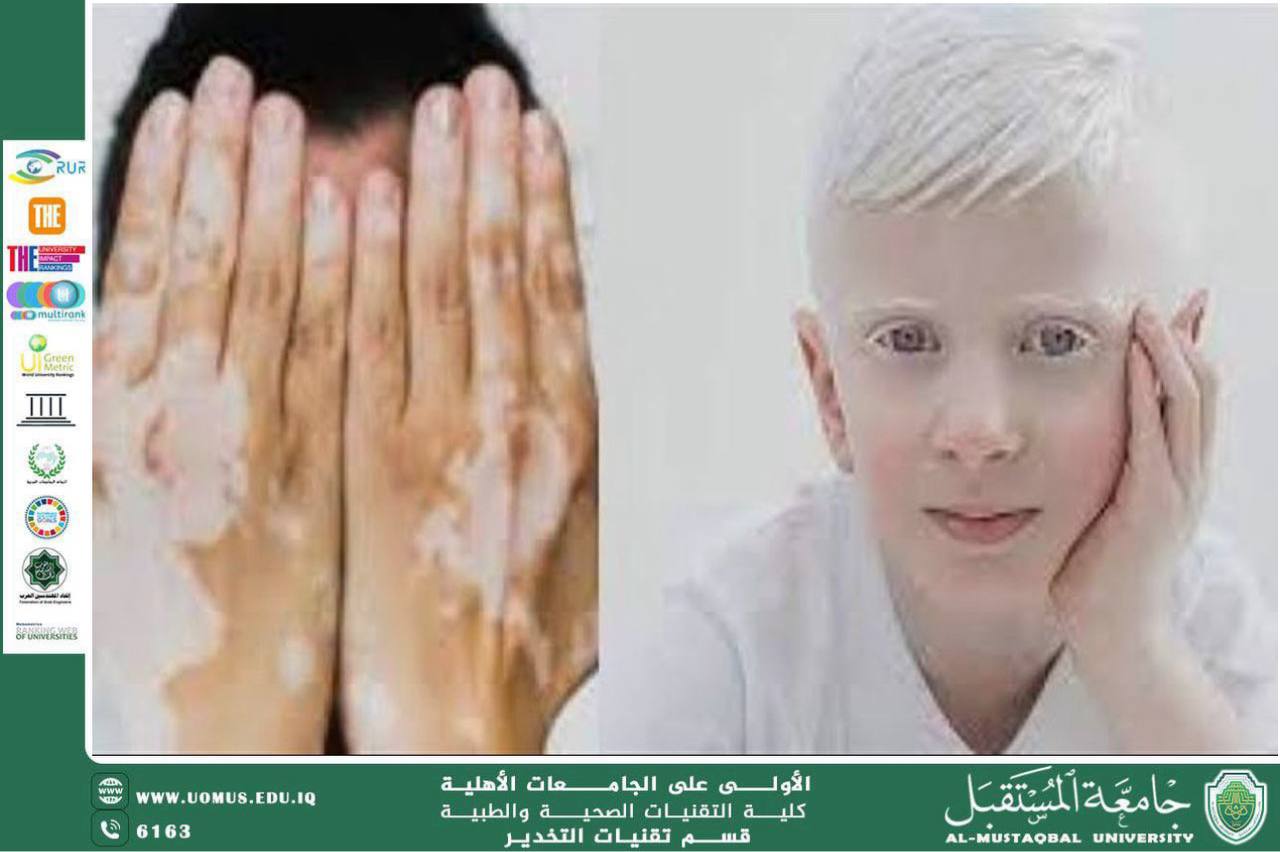
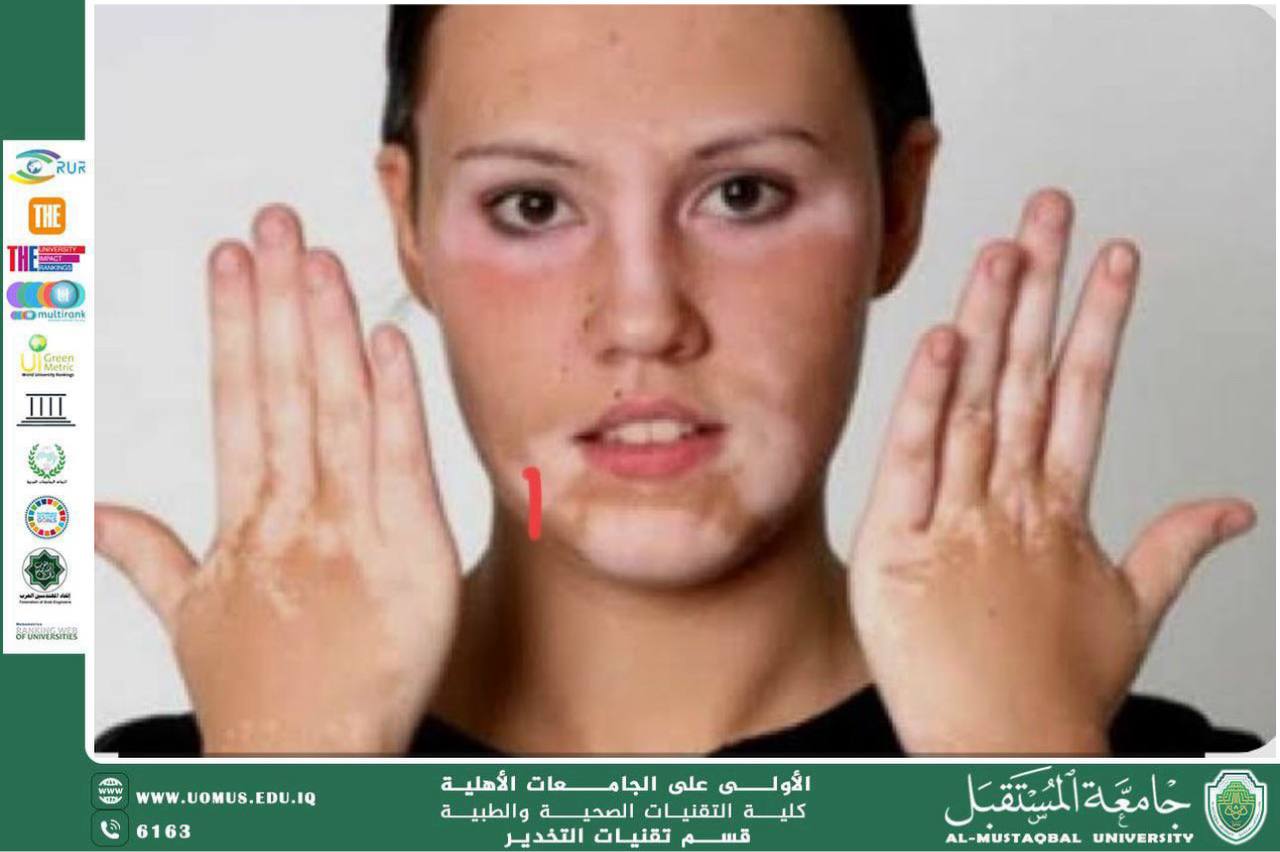
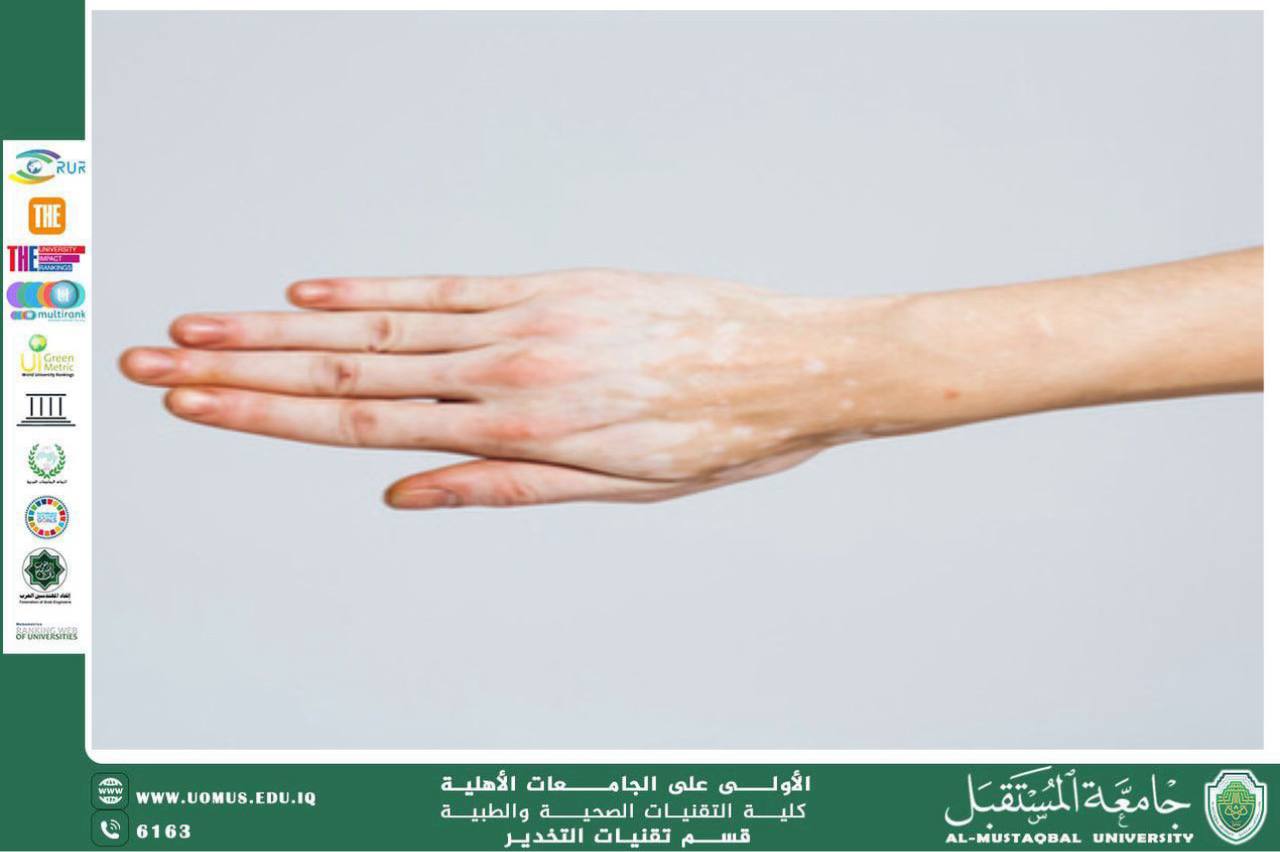
Vitiligo is a chronic skin disease in which the natural color of the skin is lost due to the destruction or malfunction of pigment-producing cells called melanocytes. These cells produce melanin, the pigment responsible for the natural color of the skin. When they are damaged or stop working, clear white patches appear on different parts of the body.
What is Vitiligo?
Vitiligo is usually considered an autoimmune disorder, where the immune system attacks the melanocytes in the skin. This leads to a decrease or loss of melanin pigment. The disease can appear at any age, but it most commonly begins before the age of 30.
Causes of Vitiligo
There is no single confirmed cause of vitiligo, but several factors are believed to contribute to its development, including:
• Immune factors: The immune system attacks pigment cells.
• Genetic factors: The disease may occur in several members of the same family.
• Severe psychological stress.
• Exposure to certain chemicals or skin burns.
• Disorders of the nervous system or hormones.
Symptoms of Vitiligo
The most common symptoms include:
• White patches on the skin, especially on the face, hands, and knees.
• Loss of hair color in affected areas (hair may turn white).
• Changes in the color of mucous membranes, such as inside the mouth.
• Increased sensitivity of the skin to sunlight.
Types of Vitiligo
Vitiligo can be classified into several types, the most important are:
1. Generalized Vitiligo
The most common type, where patches appear in several areas of the body.
2. Localized Vitiligo
Appears in a limited or specific area of the body.
3. Segmental Vitiligo
Appears on one side of the body and often begins at an early age.
Diagnosis of Vitiligo
Vitiligo is diagnosed by a dermatologist through:
• Clinical examination of the skin patches.
• Using a Wood’s lamp to make the patches more visible.
• Sometimes blood tests to check for other autoimmune diseases.
Treatment of Vitiligo
There is no definitive cure that completely heals vitiligo in all cases, but several treatments can help improve skin color or stop the spread of the disease, such as:
• Topical creams like corticosteroids.
• Phototherapy using ultraviolet light.
• Surgical treatments, such as melanocyte transplantation in some cases.
• Topical immunomodulator medications.
• Medical cosmetic products to cover the patches.
Prevention and Care
People with vitiligo can follow some helpful tips:
• Avoid prolonged exposure to sunlight.
• Use sunscreen regularly.
• Reduce stress and psychological pressure.
• Visit the doctor regularly for follow-up.
Ahmed Khuder
Al-Mustaqbal University
The First University in Iraq.