An academic article titled "The Mental Health of Working Women" by Lecturer M.M. Samar Hussein Hilal
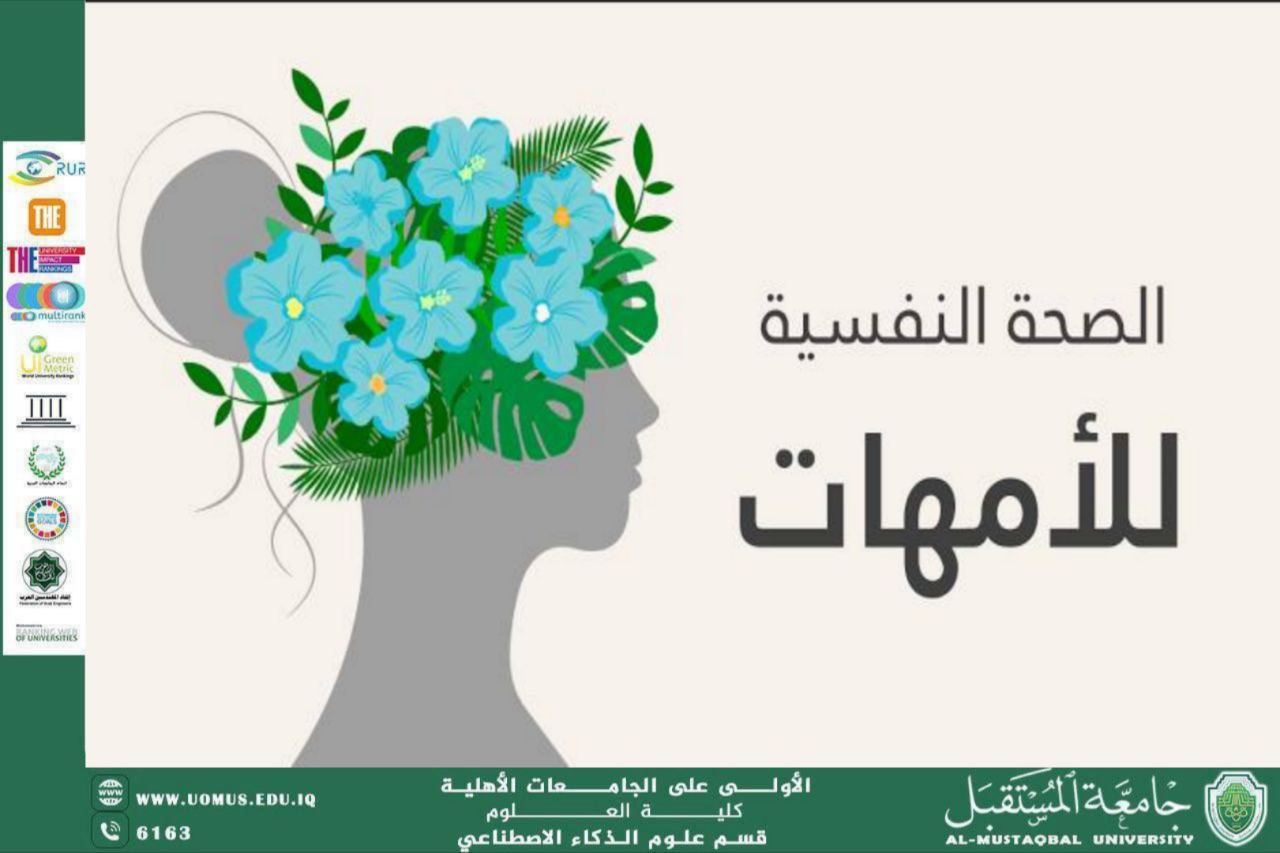
The mental health of working women represents a critical issue in our current era, as women face unique challenges stemming from attempting to balance work demands with family and societal responsibilities, placing them under enormous pressure that can negatively reflect on their mental and physical health. With the increasing participation of women in the labor market, it has become necessary to highlight factors affecting their psychological well-being and how society and institutions can support them to perform their roles efficiently without compromising their health.
Working women suffer from multiple sources of pressure, most notably the "dual responsibility" between work and home, where they find themselves required to excel in their jobs while also being expected to care for their families and children, as if society expects them to be perfect in both spheres. This unrealistic expectation generates a constant feeling of guilt and inadequacy, whether toward their work or their family, creating a heavy psychological burden. Additionally, many women face unsupportive work environments that may include job discrimination, wage gaps, psychological harassment, or exclusion from promotion opportunities under the pretext of family commitments—all factors that increase feelings of frustration and low self-esteem.
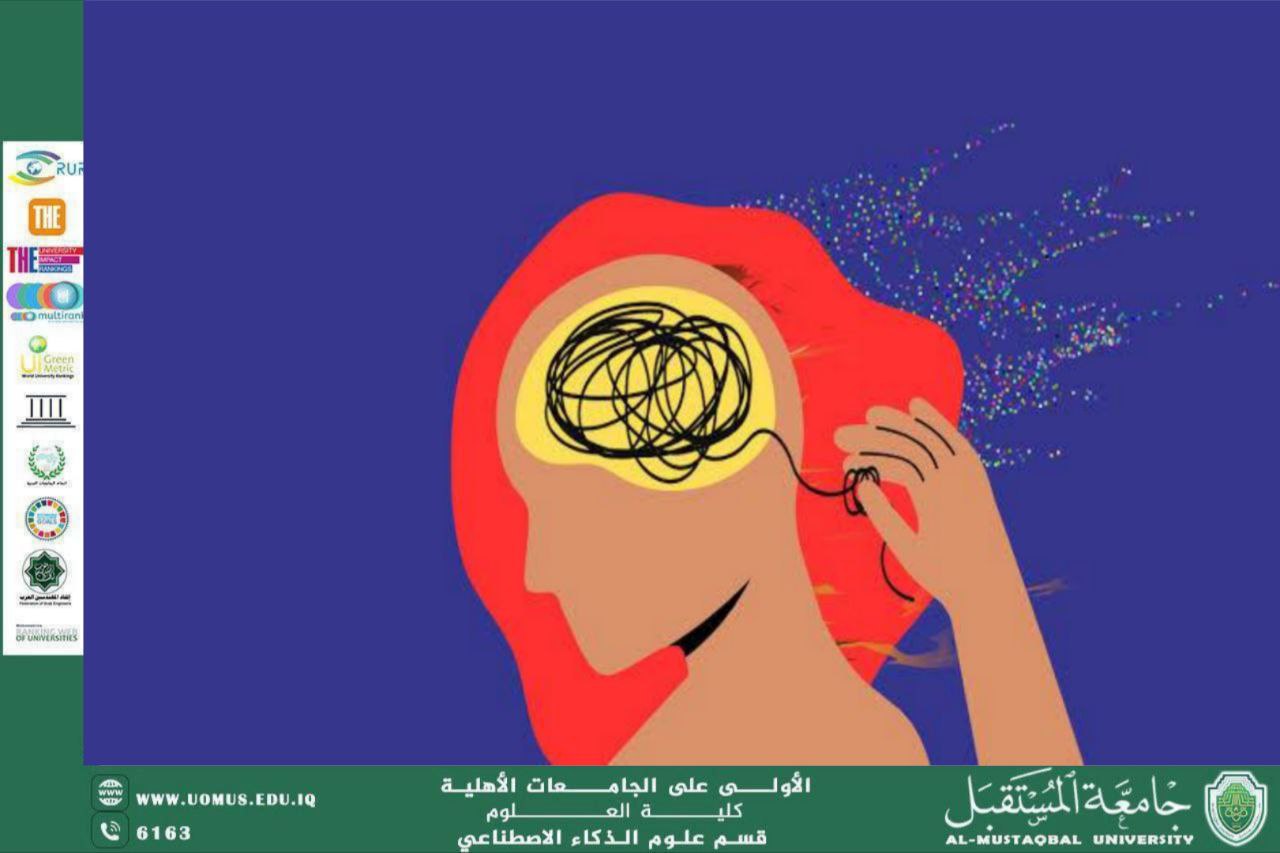
The lack of supportive infrastructure, such as reliable childcare facilities or flexible working hours, further intensifies these pressures. Working women often finish their official work hours only to face a second shift at home that is no less exhausting, depriving them of necessary rest time to restore psychological balance. This accumulation of responsibilities can lead to what is known as "burnout syndrome," characterized by chronic exhaustion, loss of enthusiasm for work, emotional detachment, sleep disorders, and persistent anxiety.
However, work can be a source of positive mental health for women when appropriate conditions exist. Work provides women with economic independence that enhances self-confidence, offers social identity and a supportive network of relationships, and provides opportunities for self-fulfillment and skill development. Studies indicate that working women who enjoy supportive work environments and fair sharing of household responsibilities are less prone to depression and anxiety compared to non-working women or those experiencing unbalanced pressures.
To enhance working women's mental health, responsibility falls on multiple parties. At the institutional level, supportive work environments must be provided, including flexible policies, fair maternity leave, establishing childcare facilities in workplaces, and implementing strict mechanisms to combat discrimination and harassment. Providing psychological counseling services and support for employees also enhances their ability to cope with pressures. At the societal level, prevailing cultural attitudes that place the burden of family responsibilities solely on women must change, encouraging fair distribution of roles between men and women. Finally, women themselves must learn time management skills, establish healthy boundaries between work and private life, and seek help when needed without feeling shame.
Investing in working women's mental health is not a luxury but a societal and economic necessity. A society with happy, psychologically balanced working mothers will raise healthier and more stable generations, and an economy relying on half its workforce efficiently and productively. Therefore, psychologically supporting working women means supporting the family, society, and economy together