
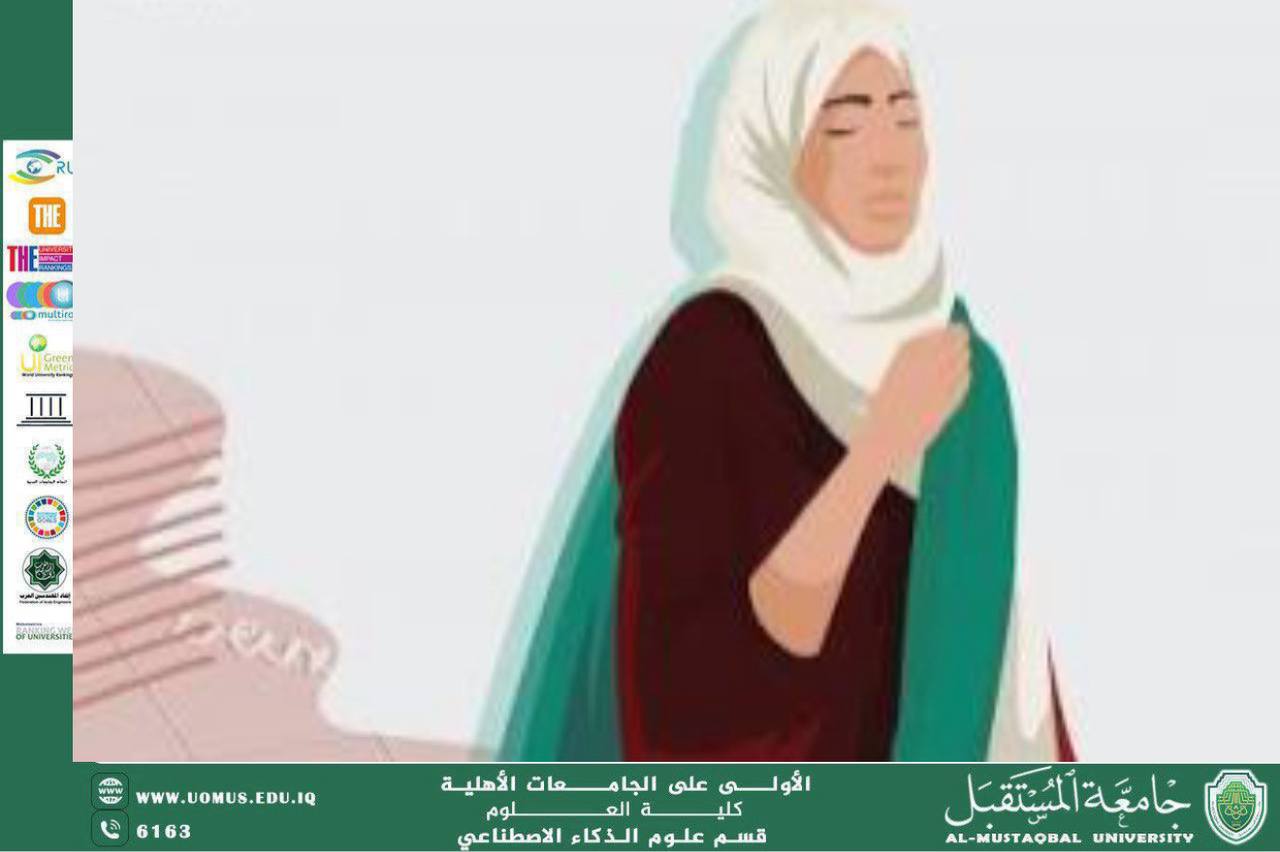
Scientific Article: Women’s Leadership and Institutional Transformation (Asst. Lec. Aya Mohammed Hussein Mohammed Ali)
Women’s leadership has gained increasing recognition in recent decades as women continue to assume influential roles in decision-making positions across governmental, corporate, and academic institutions. Women’s leadership refers to leadership approaches and management styles often associated with collaborative decision-making, inclusive communication, and the promotion of organizational cooperation. These leadership characteristics contribute significantly to institutional transformation by fostering innovative organizational cultures and encouraging diversity within leadership structures. Research indicates that institutions that promote gender diversity in leadership positions tend to demonstrate higher levels of organizational effectiveness, creativity, and adaptability in rapidly changing environments. Women leaders often emphasize participatory management practices that encourage dialogue, transparency, and team collaboration, which can strengthen trust among employees and improve overall institutional performance. Furthermore, women’s leadership frequently contributes to the development of organizational policies that support work-life balance, employee well-being, and inclusive workplace environments. These policies enhance employee satisfaction and productivity while promoting long-term institutional sustainability. Supporting women’s leadership requires creating equal opportunities for leadership education, professional training, and mentorship programs that empower women to advance within organizational hierarchies. Academic institutions and leadership development programs play a vital role in preparing future women leaders by equipping them with strategic thinking, management skills, and ethical leadership principles. Removing structural and cultural barriers that limit women’s participation in leadership positions is essential for building equitable and resilient institutions. Ultimately, women’s leadership represents a powerful force for institutional transformation by promoting diversity, innovation, and inclusive governance, all of which are critical elements for achieving sustainable organizational development in the modern era.
Al-Mustaqbal University is the leading private university among Iraqi private universities