Infection Control and Sterilization in Dental Clinics
Dental clinics represent a unique healthcare environment that requires strict safety standards due to the nature of dental procedures, which often involve direct contact with saliva, blood, and oral tissues. For this reason, sterilization and infection control are essential components of daily dental practice, protecting both patients and healthcare providers.
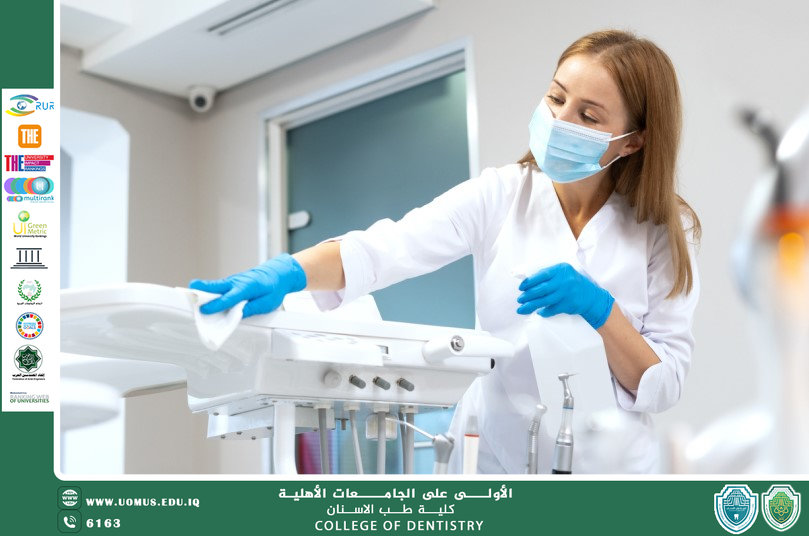
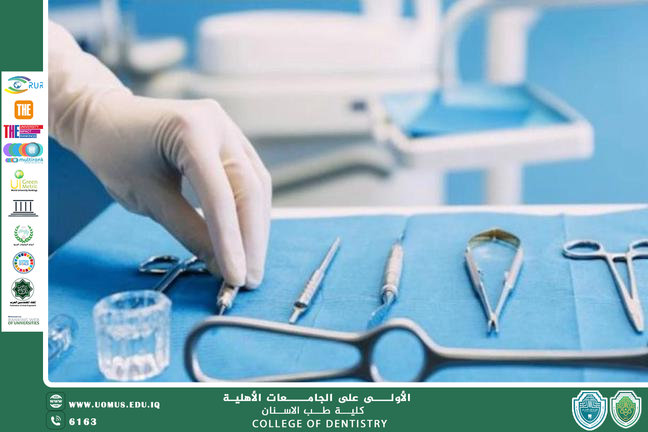
Infection control in dental clinics relies on a structured system of procedures designed to prevent the transmission of microorganisms between patients or from the environment to the patient. These procedures include sterilization of dental instruments using modern autoclave systems, disinfection of clinical surfaces, and the use of personal protective equipment such as gloves, masks, and protective clothing.
Adherence to sterilization protocols also strengthens trust between patients and dental professionals. When patients observe strict hygiene practices, they feel more confident and secure in receiving treatment. Trust is a fundamental element of the therapeutic relationship, and maintaining high safety standards reflects professional and ethical responsibility.
Infection control extends beyond technical procedures to include continuous education and regular training for dental staff. As knowledge and technologies evolve in the field of infection prevention, dental professionals must remain updated with the latest guidelines and global standards.
Proper medical waste management, safe handling of sharp instruments, and strict sterilization procedures before and after each patient are also critical elements in maintaining a safe clinical environment.
Ultimately, sterilization and infection control form the foundation of quality dental care. Successful treatment is not measured solely by clinical skill, but also by the ability of the dental clinic to provide a safe environment that protects patient health and prevents the spread of infection.