Genetic Engineering of Microorganisms and Its Role in the Production of Biopharmaceuticals
Introduction
The field of Microbiology plays a fundamental role in the advancement of modern medicine. With the rapid development of Genetic Engineering, scientists are now able to modify the genetic material of microorganisms such as bacteria and yeast in order to produce medically valuable compounds. This progress has led to the emergence of an important branch of Biotechnology focused on the production of biopharmaceuticals using genetically engineered microorganisms.
These technologies are widely used to produce a variety of therapeutic products, including hormones, vaccines, and therapeutic enzymes. As a result, they have significantly improved drug effectiveness and reduced production costs compared with traditional pharmaceutical manufacturing methods.
Concept of Microbial Genetic Engineering
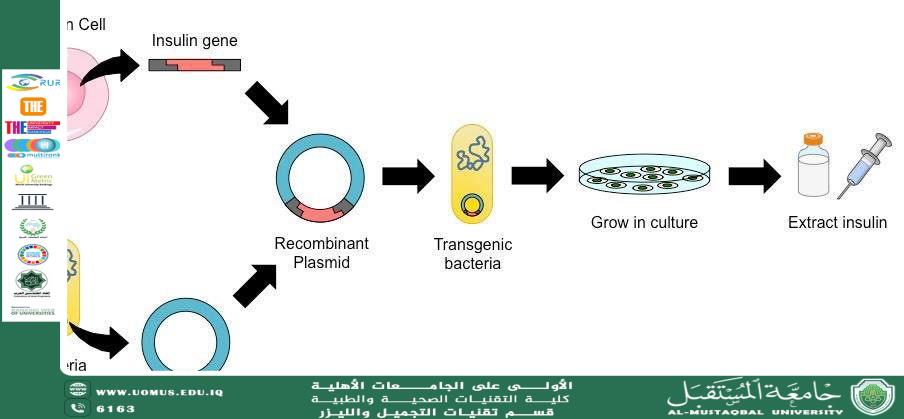
Microbial genetic engineering refers to the deliberate modification or insertion of specific genes into microorganisms to enable them to produce useful biological products. This process relies on advanced techniques in Molecular Genetics, where target genes are inserted into microbial cells using genetic vectors such as plasmids.
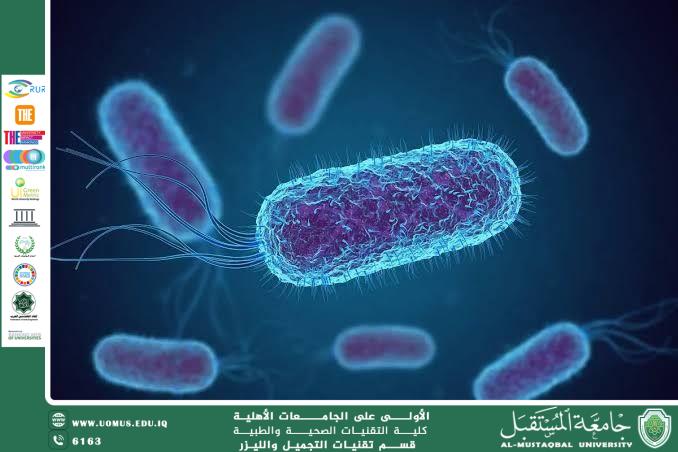
Among microorganisms, bacteria—particularly Escherichia coli—are commonly used in genetic engineering applications because of their rapid growth rate, well-understood genetics, and ease of genetic manipulation.
Mechanism of Biopharmaceutical Production Using Microorganisms
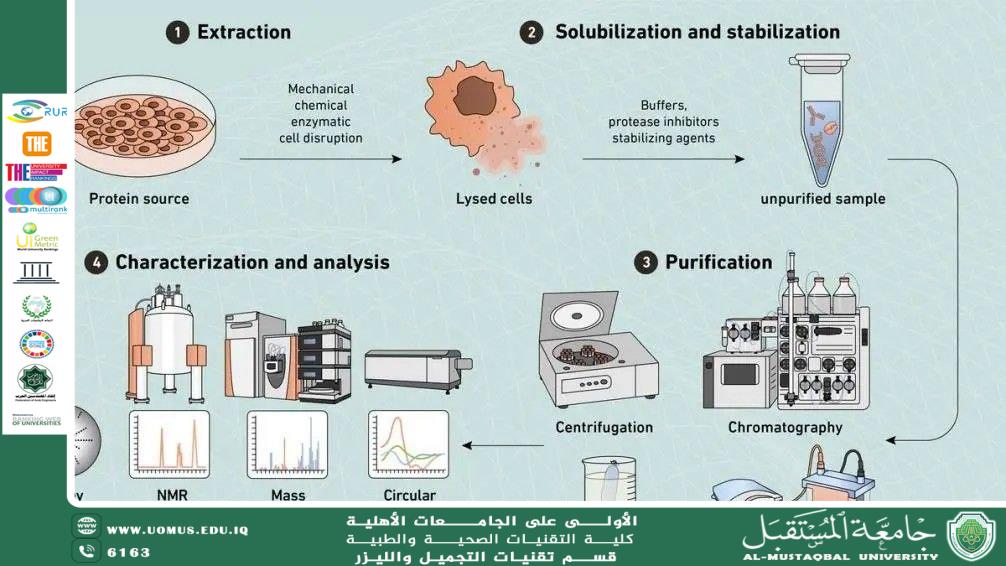
The production of biopharmaceuticals through genetically engineered microorganisms involves several key steps:
1_Identification of the target gene responsible for producing the desired therapeutic protein.
2 - Insertion of the gene into the microorganism using recombinant DNA techniques.
3 - Cultivation of genetically modified microorganisms in controlled bioreactor systems.
4-Expression and production of the therapeutic protein within the microbial cells.
5-Extraction and purification of the product to obtain the final pharmaceutical compound.
This approach allows the large-scale production of complex biological molecules that are difficult or impossible to synthesize using conventional chemical methods.
Examples of Biopharmaceuticals Produced by Microorganisms
Genetic engineering has enabled the production of many important therapeutic agents. Notable examples include:
*The hormone Insulin used in the treatment of Diabetes Mellitus.
*Human growth hormone used to treat growth disorders.
*Recombinant vaccines used for the prevention of infectious diseases.
*Interferons used in the treatment of certain viral infections and cancers.
The production of recombinant insulin using genetically engineered bacteria represents one of the earliest and most successful applications of genetic engineering in medicine.
Advantages of Using Microorganisms in Drug Production
The use of microorganisms in biopharmaceutical production offers several important advantages:
*High-yield production of therapeutic proteins in relatively short time periods.
*Reduced manufacturing costs compared with extraction from animal or human tissues.
*Improved product consistency and quality control through modern biotechnological processes.
*Enhanced safety and purity of pharmaceutical products.
Future Challenges
Despite significant advancements, several challenges remain in the field of microbial biopharmaceutical production:
*The need for highly efficient purification techniques.
*The possibility of unwanted genetic mutations in engineered microorganisms.
*Ethical and regulatory considerations regarding the use of genetically modified organisms.
Continuous developments in biotechnology are expected to overcome many of these challenges and improve the efficiency and safety of biopharmaceutical production.
Conclusion
Genetic engineering of microorganisms represents one of the most significant scientific achievements in modern biomedical research. It has revolutionized the production of biopharmaceuticals and enabled the development of effective treatments for numerous diseases. Through the application of advanced biotechnological techniques, microorganisms can be engineered to produce complex therapeutic molecules efficiently and economically. Future progress in this field is expected to further expand its applications and contribute to the development of innovative treatments for a wide range of medical conditions.Conclusion
Genetic engineering of microorganisms represents one of the most significant scientific achievements in modern biomedical research. It has revolutionized the production of biopharmaceuticals and enabled the development of effective treatments for numerous diseases. Through the application of advanced biotechnological techniques, microorganisms can be engineered to produce complex therapeutic molecules efficiently and economically. Future progress in this field is expected to further expand its applications and contribute to the development of innovative treatments for a wide range of medical conditions.
Prepared by: Ms. Saja Falah Hassan
AL_mustaqbal University is the first university in Iraq