Scientific Article: Sustainable Cities and Smart Planning (Asst. Lec. Aya Mohammed Hussein Mohammed Ali)
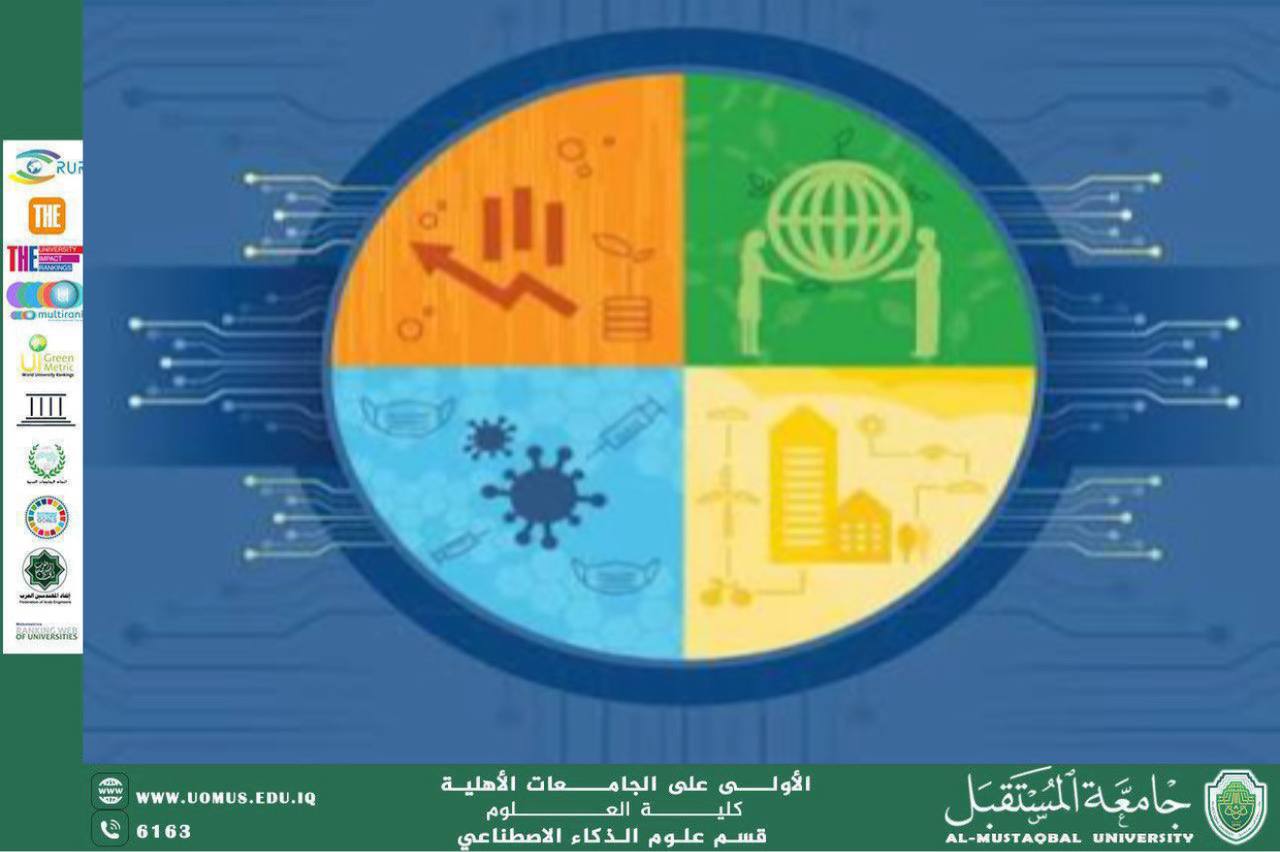
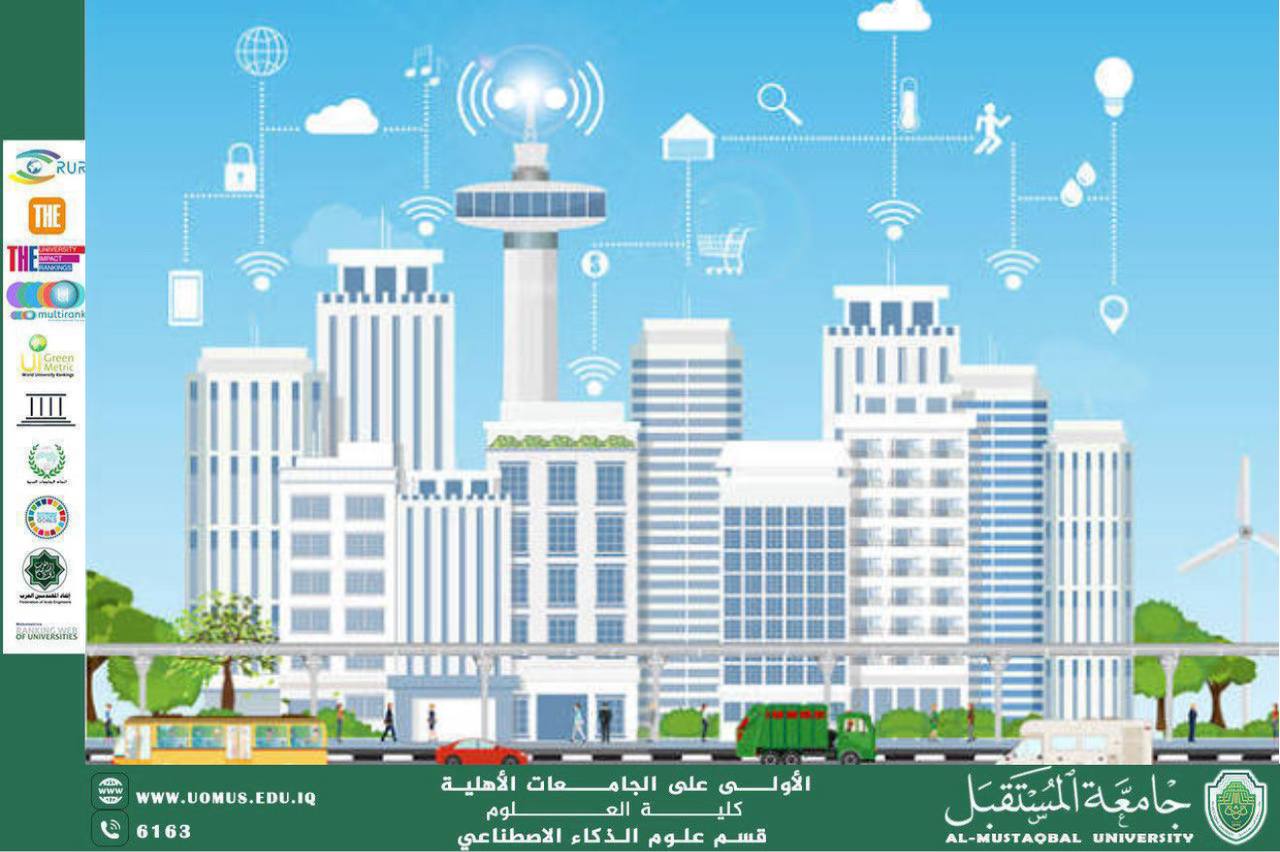
Sustainable cities have emerged as a critical concept in response to the growing environmental and urban challenges associated with rapid population growth, urbanization, and resource consumption in modern societies, aiming to achieve a balance between urban development, environmental protection, and improved quality of life for citizens. Smart planning refers to the use of advanced technologies, data analytics, and digital infrastructure to enhance urban management and optimize the efficiency of city services, including transportation, energy, water, and waste management systems. The integration of smart technologies such as the Internet of Things, artificial intelligence, and big data analytics enables real-time monitoring and efficient management of urban resources, reducing environmental impact and improving service delivery. Sustainable urban planning focuses on developing eco-friendly transportation systems, reducing traffic congestion, promoting renewable energy usage, and increasing green spaces within urban environments to enhance public health and environmental sustainability. Furthermore, sustainable cities encourage innovation-driven economic growth by supporting digital infrastructure, smart industries, and knowledge-based economies. Community engagement is also a key component of smart urban planning, as involving citizens in decision-making processes contributes to more inclusive and effective urban development strategies. Despite these advantages, the implementation of sustainable city initiatives faces challenges such as high infrastructure costs, technological integration complexities, and the need for long-term policy commitment and governance frameworks. Ultimately, sustainable cities and smart planning represent a forward-looking approach to urban development that ensures environmental sustainability, economic resilience, and improved quality of life for future generations.
Al-Mustaqbal University is the leading private university among Iraqi private universities