Scientific Article: Public Health in the Context of Climate Change Seasons (Asst. Lec. Aya Mohammed Hussein Mohammed Ali)
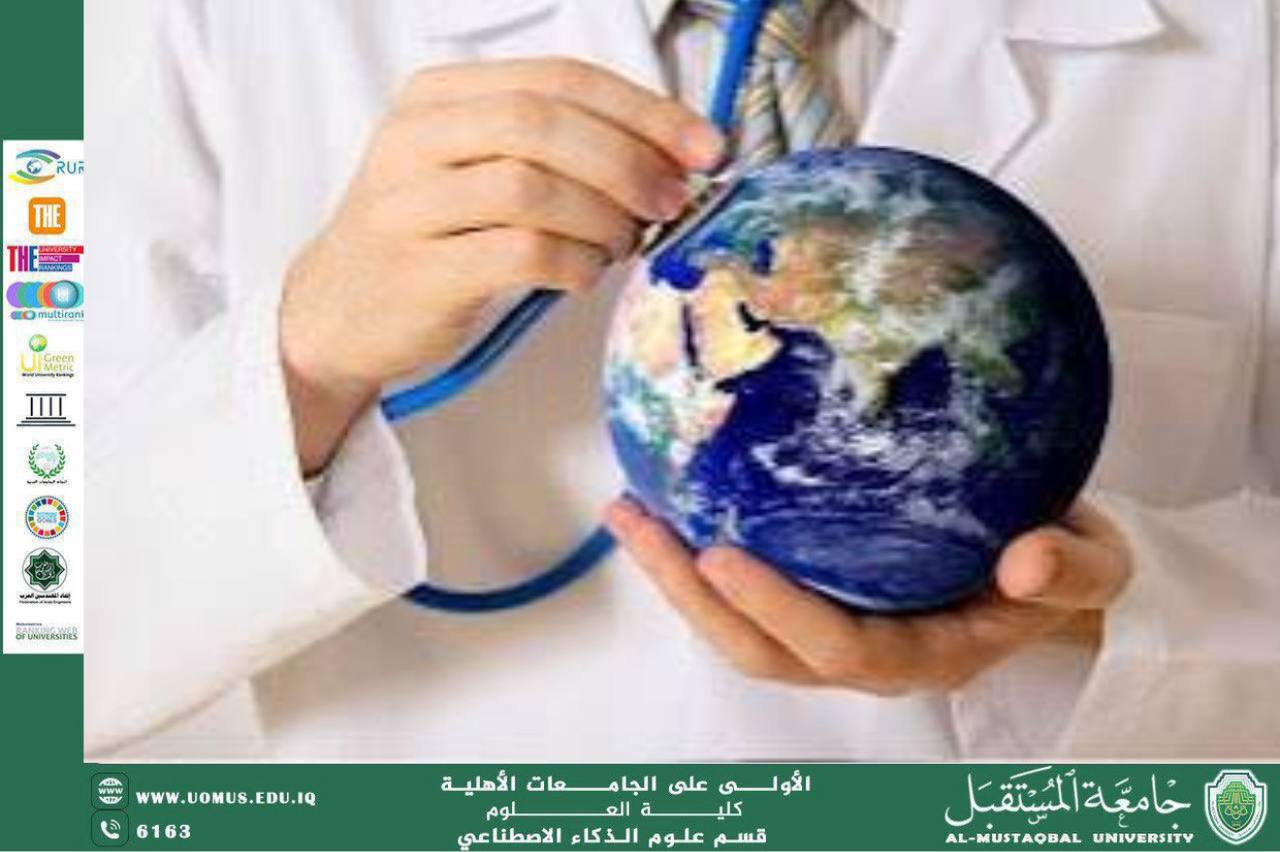
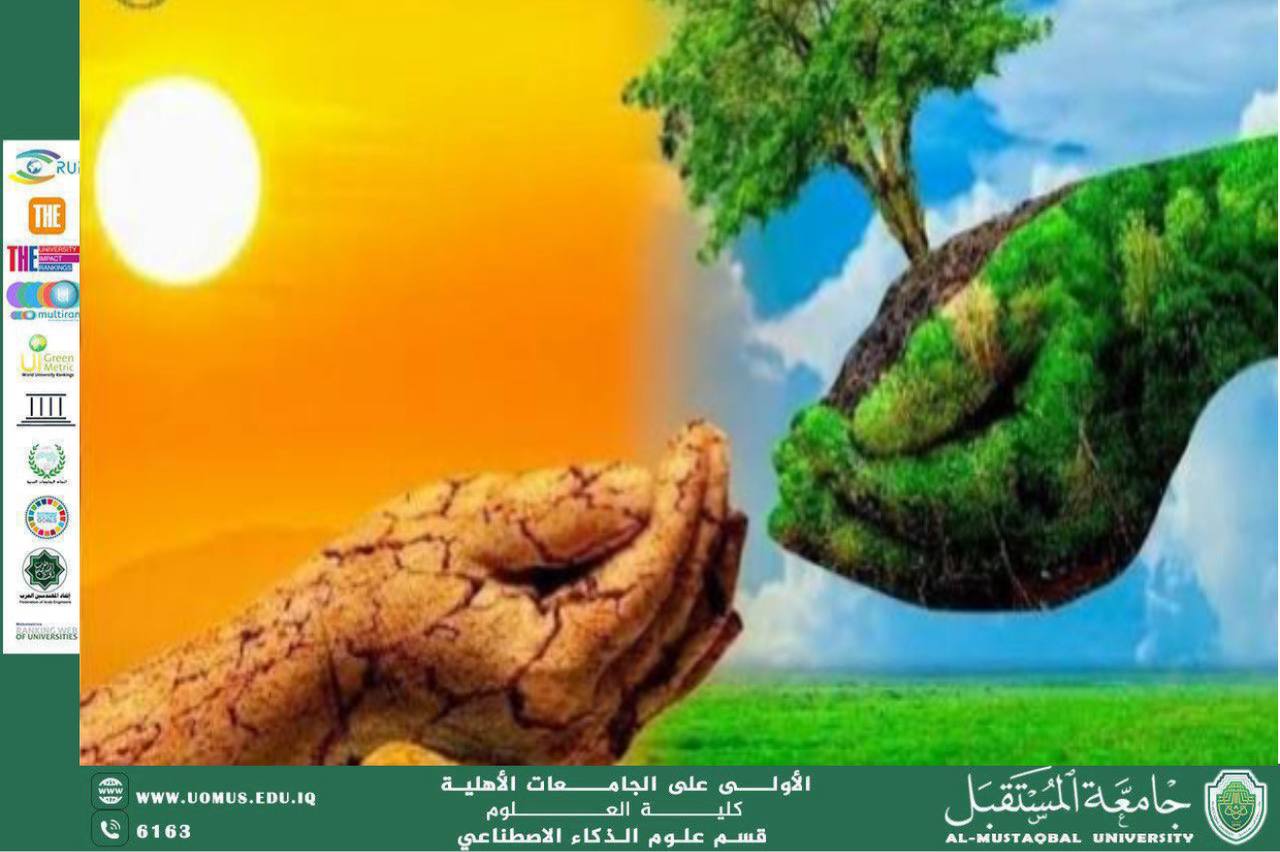
Public health is increasingly challenged by the impacts of climate change, which affects human health both directly and indirectly through rising temperatures, extreme weather events, air pollution, and shifting patterns of infectious diseases. Climate change contributes to the increased frequency and intensity of heatwaves, which can lead to heat-related illnesses such as heatstroke and dehydration, particularly among vulnerable populations including the elderly and children. Additionally, environmental changes influence the spread of vector-borne diseases by altering the habitats of disease-carrying organisms such as mosquitoes, increasing the risk of diseases like malaria and dengue fever. Air pollution associated with environmental degradation further exacerbates respiratory conditions such as asthma and chronic lung diseases. Climate change also impacts food and water security, contributing to malnutrition, waterborne diseases, and reduced access to safe drinking water. Addressing these health challenges requires strengthening healthcare systems, developing climate-resilient health policies, and implementing preventive strategies that focus on public awareness and early response mechanisms. Technological advancements, including data analytics and early warning systems, play a crucial role in predicting and mitigating health risks associated with climate variability. Public health campaigns also contribute to promoting protective behaviors such as staying hydrated, avoiding excessive sun exposure, and maintaining hygiene standards. Ultimately, protecting public health in the era of climate change requires coordinated global efforts, interdisciplinary collaboration, and sustainable strategies to ensure resilient healthcare systems and improved community well-being.
Al-Mustaqbal University is the leading private university among Iraqi private universities