Embedded Systems for Real-Time Medical Monitoring.
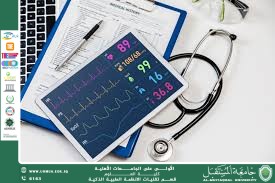
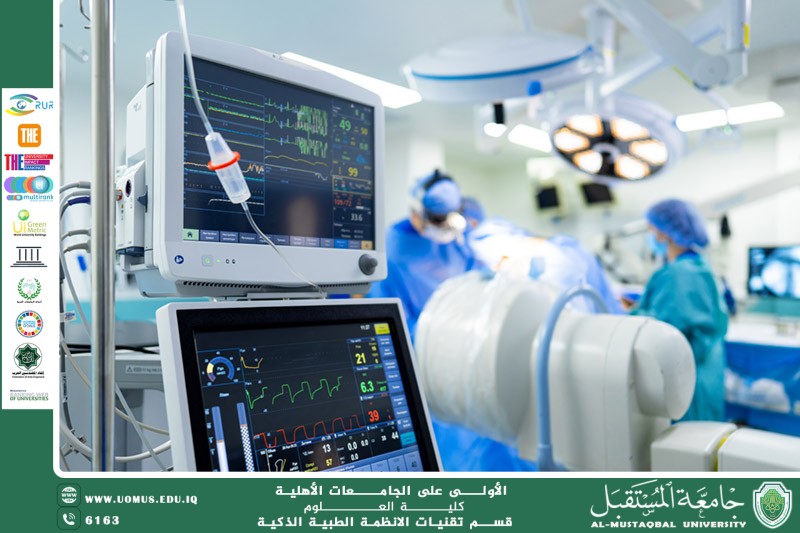
Embedded systems for real-time medical monitoring represent one of the most significant advancements in modern healthcare, providing advanced technological solutions for continuously and accurately tracking patients’ conditions both inside and outside hospital settings. These systems integrate precise sensors with embedded processors and advanced data analytics software, enabling the continuous real-time collection of vital patient information such as heart rate, blood pressure, blood oxygen levels, and body temperature.
These systems enhance the quality of healthcare by allowing physicians to closely monitor patients’ conditions and detect any abnormal changes that require immediate medical intervention. They also improve the ability to make rapid and effective treatment decisions, as data is analyzed in real-time using artificial intelligence and machine learning techniques, allowing for early detection of potential complications and predicting the future needs of each patient.
Embedded systems also serve as an effective means to improve healthcare resource efficiency, reducing the need for traditional continuous monitoring and easing the workload on medical staff. This enables the simultaneous monitoring of a larger number of patients while maintaining high standards of care. Moreover, these systems provide patients and their families with peace of mind, knowing that health status is continuously monitored even while at home.
In addition to the medical and operational benefits, embedded systems face technical and security challenges related to privacy and the protection of sensitive data, requiring the implementation of advanced security protocols and strong encryption to ensure data confidentiality and protection against potential breaches. Integrating these systems also necessitates specialized training for medical and technical staff to optimize the use of devices and software, maximizing their potential.
Overall, embedded systems for real-time medical monitoring represent a qualitative leap in healthcare, combining scientific precision with modern technology to provide advanced and effective patient care. Research and development continue in this field to enhance the capabilities of these systems, including predicting critical conditions before they occur and expanding applications across various medical fields, highlighting the crucial future role of these systems in improving global healthcare quality.
Al-Mustaqbal University is the first one university in Iraq.