Internet-Connected Smart Devices for Patient Monitoring (Lecturer Najat Hamid Jassim)
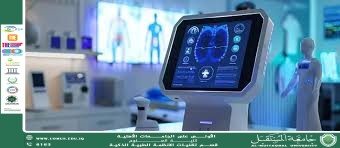
Internet-connected smart devices (IoT) for patient monitoring represent one of the most significant technological advancements in modern healthcare, providing an innovative means to collect health data and monitor patients’ conditions continuously and in real time. These devices rely on a network of intelligent sensors embedded in wearable devices or home medical tools, which track vital signs such as heart rate, blood pressure, blood oxygen levels, and body temperature, and transmit this data to secure electronic platforms for analysis and follow-up.
These devices contribute to improving the quality of healthcare by enabling physicians to access accurate, real-time information about patients’ conditions, allowing for rapid and informed medical decisions. The ability to analyze data using artificial intelligence and machine learning techniques allows for the early detection of health changes and the prediction of potential complications before they occur, thereby reducing risks and improving treatment outcomes.
These devices also play an important role in enhancing the efficiency of the healthcare system, as they reduce the need for repeated hospital visits for patient monitoring and allow medical staff to oversee a larger number of patients without compromising the quality of care. Moreover, they improve the patient experience by providing peace of mind, knowing that their health status is continuously monitored even at home, reducing anxiety and increasing adherence to prescribed treatment plans.
Despite their significant benefits, smart devices face challenges related to privacy and the protection of sensitive medical data, requiring stringent security protocols and encryption systems to ensure data confidentiality and prevent potential breaches. Additionally, the effectiveness of these devices depends on training both users and medical staff to operate them correctly, ensuring data accuracy and maximizing the benefits of their capabilities.
Overall, Internet-connected smart devices for patient monitoring represent a qualitative leap in healthcare, combining modern technology and artificial intelligence to deliver precise and effective medical care, enhance the patient experience, and improve the overall efficiency of healthcare systems. Research and development in this field continue to expand the applications of these devices, including the integration of virtual and augmented reality technologies to enhance patient interaction and support critical condition monitoring, reflecting the growing role of this technology in the future of global healthcare.
Al-Mustaqbal University is the first one university in Iraq.