
A scientific article by the researcher Benin Nazem entitled Sustainable Design in Products and Industries
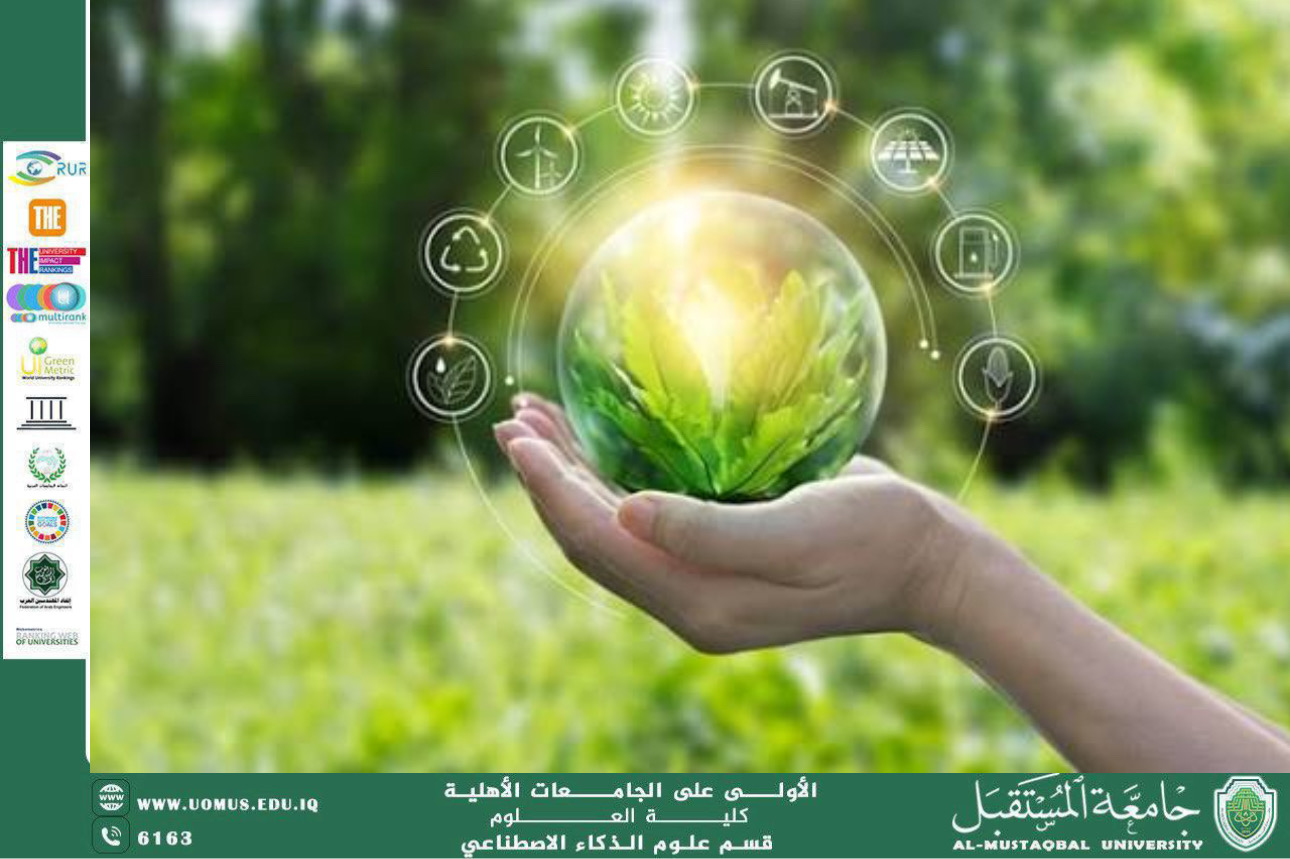
Sustainable design has become one of the most important modern trends in industry and production, aiming to reduce the negative environmental impacts of products throughout their life cycle—from raw material extraction to manufacturing, usage, and recycling. This concept has emerged in response to growing environmental challenges such as pollution and the depletion of natural resources, prompting industries to rethink traditional production methods.
Sustainable design is based on key principles, including the use of eco-friendly materials, reducing energy consumption, extending product lifespan, and designing products for easy reuse or recycling. It also contributes to minimizing industrial waste and improving resource efficiency, which benefits both the environment and the economy.
Technology plays a crucial role in supporting sustainable design by enabling the development of alternative materials and cleaner production processes that reduce emissions and pollution. Academic and industrial institutions often collaborate with international organizations such as the United Nations to promote sustainability and achieve global development goals.
With the global shift toward a green economy, sustainable design is no longer optional but essential for balancing industrial progress with environmental protection and enhancing corporate social responsibility