The immune response in chronic diseases(Asst. Lecturer Huwayda Nazzal Hussein)
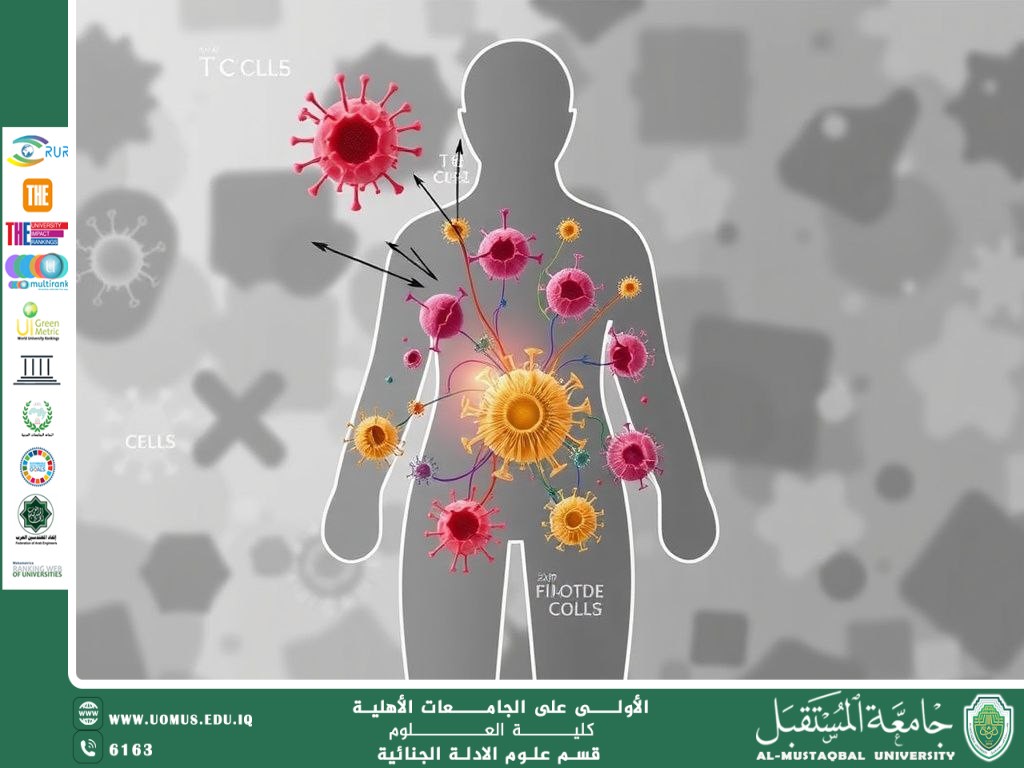
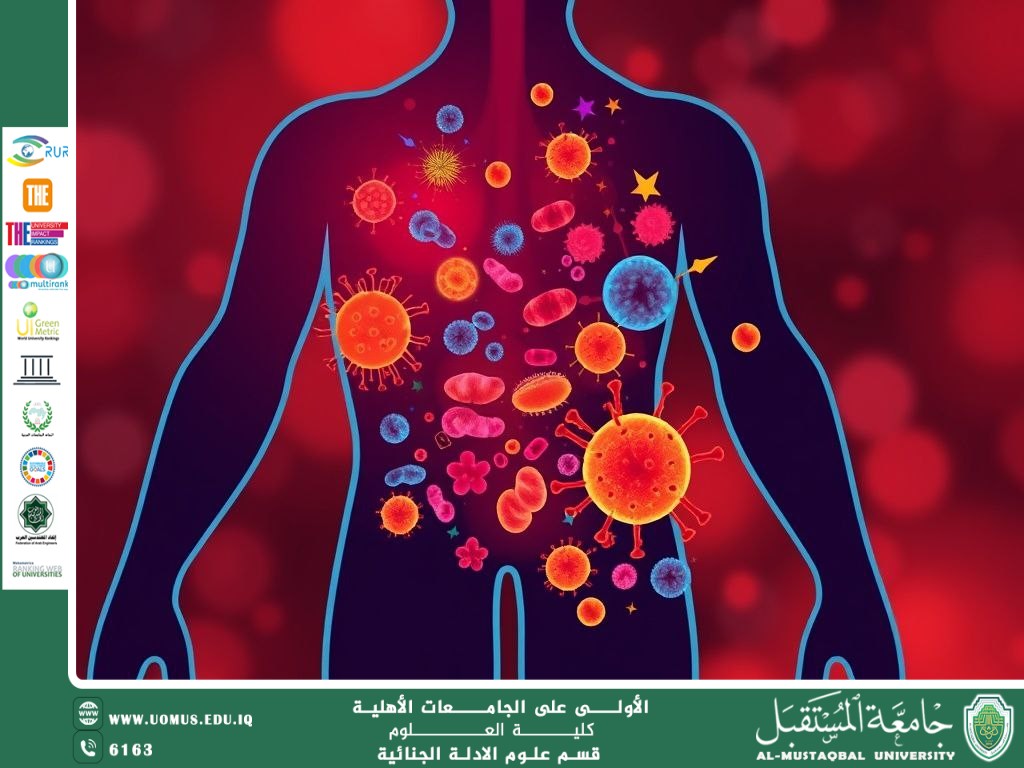
The immune response plays a crucial role in the development and progression of many chronic diseases. The immune system normally protects the body against pathogens such as bacteria and viruses. However, dysregulation of immune responses can lead to persistent inflammation that contributes to the development of chronic conditions.
Under normal circumstances, the immune system initiates a short-term inflammatory response to eliminate infections or repair damaged tissues. Once the threat is removed, the inflammatory response subsides and the immune system returns to its normal state. However, when this response fails to resolve properly, chronic inflammation may develop.
Chronic inflammation is associated with many diseases, including type 2 diabetes, cardiovascular diseases, rheumatoid arthritis, and certain cancers. In these conditions, immune cells continuously produce inflammatory molecules such as cytokines and chemokines. Over time, these molecules can damage tissues and disrupt normal physiological functions.
In autoimmune diseases, the immune system mistakenly recognizes the body's own tissues as foreign. As a result, immune cells attack healthy cells and tissues. Examples of autoimmune diseases include systemic lupus erythematosus and multiple sclerosis.
Several factors contribute to abnormal immune responses in chronic diseases. These include genetic predisposition, environmental influences, lifestyle factors, and microbial exposure. Recent research also highlights the role of the gut microbiome in regulating immune function and influencing chronic inflammatory conditions.
In recent years, significant progress has been made in the development of immunotherapies that target specific components of the immune system. Biological drugs, for example, can block inflammatory molecules such as tumor necrosis factor (TNF) or specific cytokines, thereby reducing inflammation and disease progression.
Emerging therapeutic approaches such as cell-based therapies and gene therapy aim to precisely modify immune responses and restore immune balance. These innovative treatments hold great promise for the management of chronic diseases in the future.
Understanding the mechanisms underlying immune responses in chronic diseases is essential for developing more effective and targeted treatments. Such advances may improve patient outcomes and reduce the global burden of chronic illnesses.
Al-Mustaqbal University – the first university in Iraq.