Water Scarcity and Its Impact on Communicable Diseases
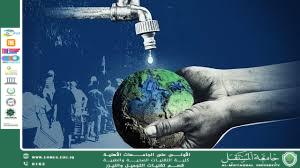
Water scarcity is one of the most significant environmental and public health challenges facing the world today. It is closely linked to human health and the stability of communities. With increasing demand for water due to population growth and climate change, the problem of water shortage has become more complex, directly contributing to the spread of communicable diseases, especially in areas with weak healthcare infrastructure.
First: مفهوم Water Scarcity and Its Causes
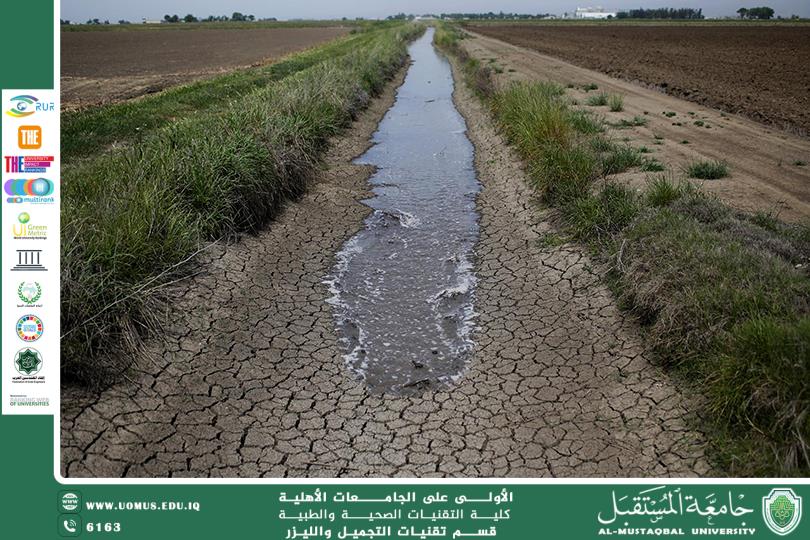
Water scarcity refers to the lack of sufficient quantities of clean and safe water for human use. Its main causes include limited water resources, poor management, pollution, and climate change, which leads to reduced rainfall and increased droughts. Additionally, conflicts and wars contribute to the destruction of water sources and infrastructure, worsening the situation.
Second: The Relationship Between Water Scarcity and Communicable Diseases
Water scarcity has both direct and indirect effects on the spread of communicable diseases. When clean water is unavailable, people are forced to use contaminated sources, increasing the risk of waterborne diseases such as cholera, typhoid, and viral hepatitis. Poor hygiene due to lack of water also contributes to the spread of diseases like skin infections and gastrointestinal illnesses.
Moreover, stagnant water caused by poor water management can create breeding grounds for disease-carrying insects such as mosquitoes, leading to the spread of diseases like malaria and dengue fever.
Third: Health and Social Impacts
The effects of water scarcity are not limited to health alone but extend to social and economic aspects. The spread of diseases increases pressure on healthcare systems, reduces productivity, and raises poverty rates. Vulnerable groups such as children and the elderly are particularly at higher risk of infection.
Fourth: Ways to Address the Problem
Addressing this issue requires effective strategies, including improving water resource management, developing infrastructure to provide safe and clean water, and promoting public awareness about hygiene. Supporting scientific research to find innovative solutions such as water desalination and recycling is also essential, along with international cooperation to combat climate change impacts.
Conclusion
Water scarcity is not merely an environmental issue; it is a global health concern that requires collective efforts to mitigate its effects, particularly regarding communicable diseases. Investing in water management and improving health awareness are essential steps toward building healthier and more sustainable communities.
Prepared by: Huda Rafed Abdulkhaleq
AL_mustaqbal University is the first university in Iraq