The Smart Materials and 3D Printing Revolution in Prosthetics Engineering
The field of prosthetics and orthotics engineering has undergone a radical transformation over the past few decades, moving from the use of heavy, traditional materials like wood and solid metals to relying on advanced materials that precisely meet the patient's biomechanical needs. The primary goal of any prosthesis is to restore lost function and provide maximum comfort for the user, making the innovation of new materials and manufacturing techniques an urgent necessity to elevate this field.
Carbon fiber and titanium are among the most important materials that have caused a paradigm shift in this specialty. Carbon fiber is characterized by its extreme lightweight and high strength, which surpasses steel, in addition to its excellent ability to store and release energy. This kinetic property plays a crucial role in the design of dynamic prosthetic feet, where the fibers act like a "spring" that returns the energy of the step to the patient, thereby significantly reducing the physical effort exerted during walking or running. Titanium, on the other hand, is mostly used in joints and structural components due to its high load-bearing capacity and corrosion resistance, as well as being highly biocompatible with the human body.
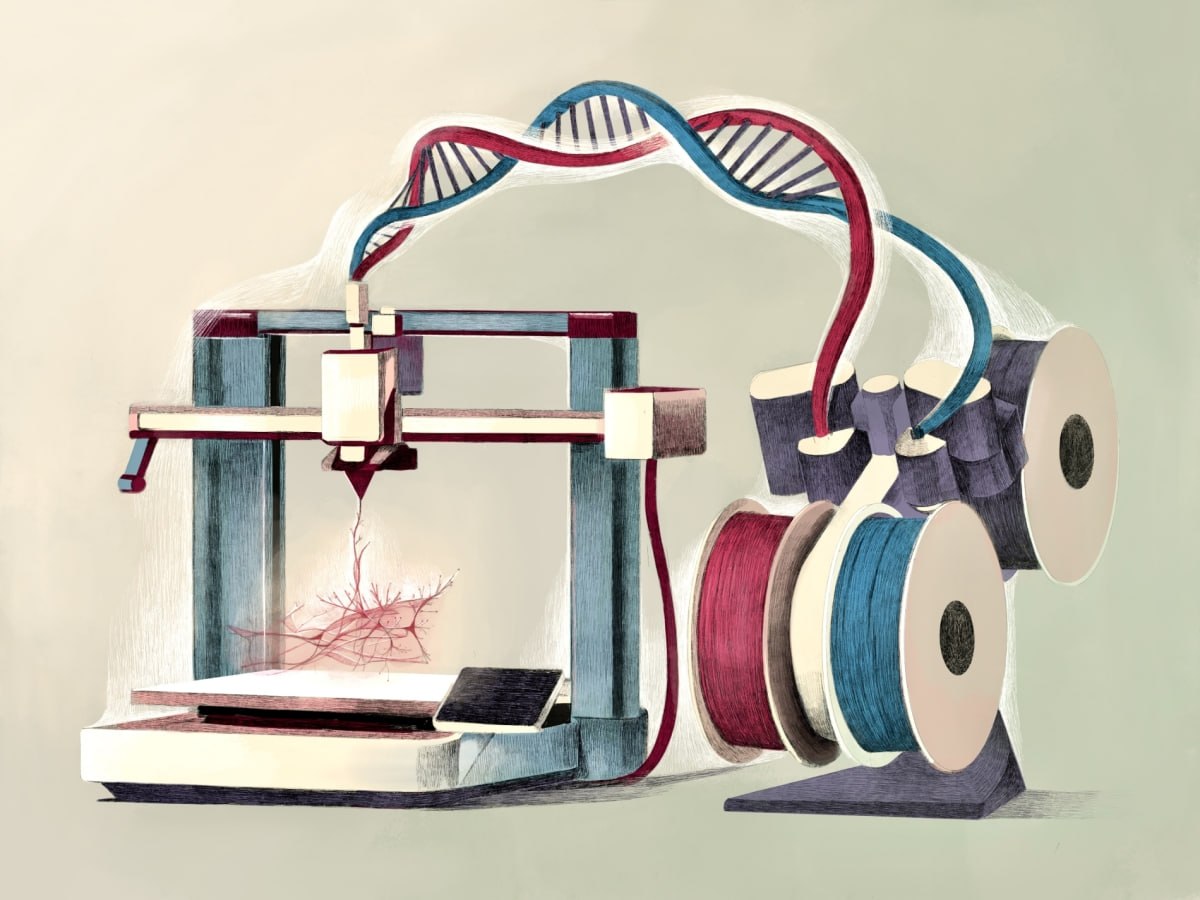
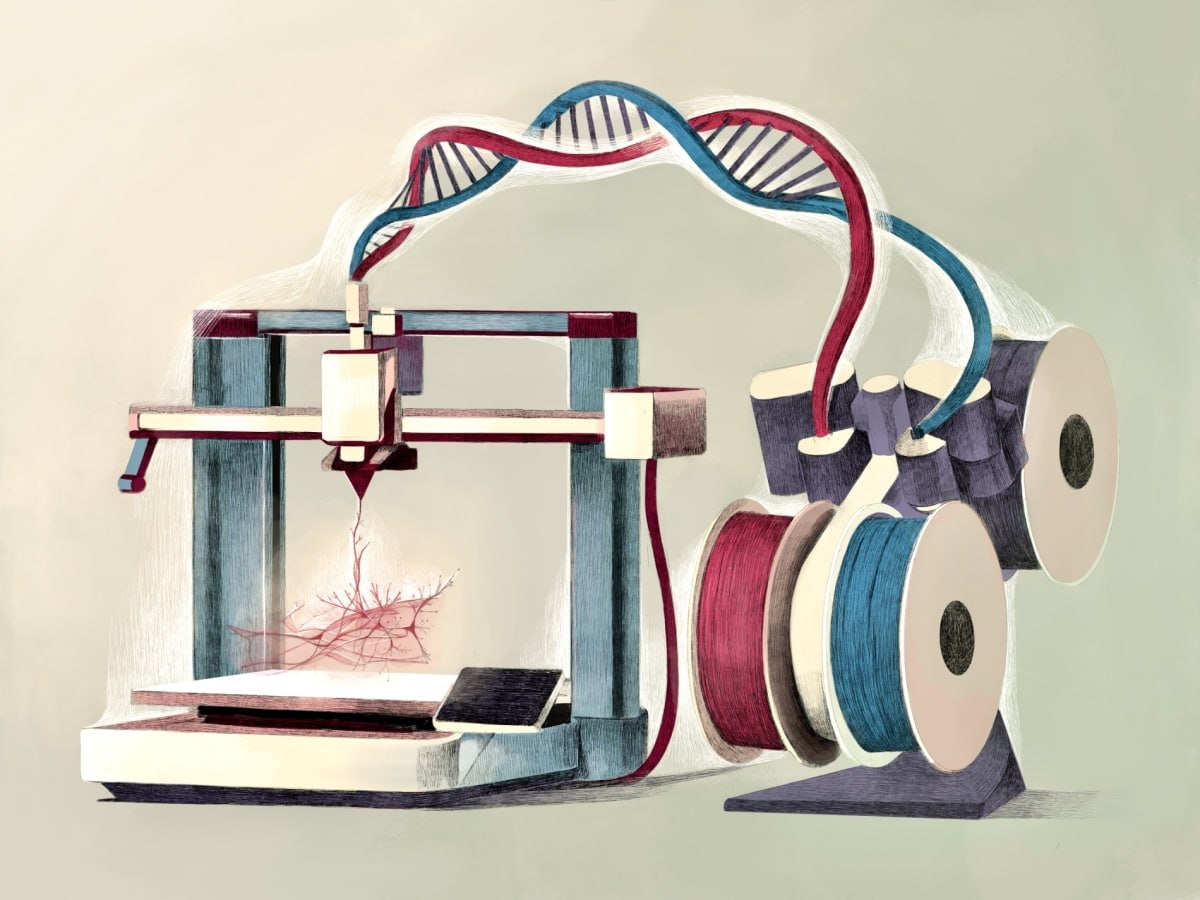
Alongside advanced materials, 3D printing technology (Additive Manufacturing) has emerged to completely change the rules of the game in designing and manufacturing sockets and orthoses. In the past, designing the socket—the most critical part connecting the residual limb to the prosthesis—required taking plaster casts and lengthy manual modification processes prone to human error. Today, using 3D scanners and Computer-Aided Design (CAD) software, an engineer can design a custom socket that perfectly matches the patient's anatomy. This socket is then printed using advanced plastics or flexible resins that adapt to volume changes in the residual limb throughout the day.
This integration of smart materials and digital manufacturing technologies has not only reduced the cost and production time of prosthetics and orthotics but has also elevated personalization to unprecedented levels. The future of prosthetic engineering is moving steadily towards developing materials capable of automatically adapting to the user's environment, making the prosthetic limb not just a medical assistive device, but a natural and integrated extension of the human body.