Scientific Article: Green Buildings and Their Role in Reducing Energy Consumption (Asst. Lec. Aya Mohammed Hussein Mohammed Ali)
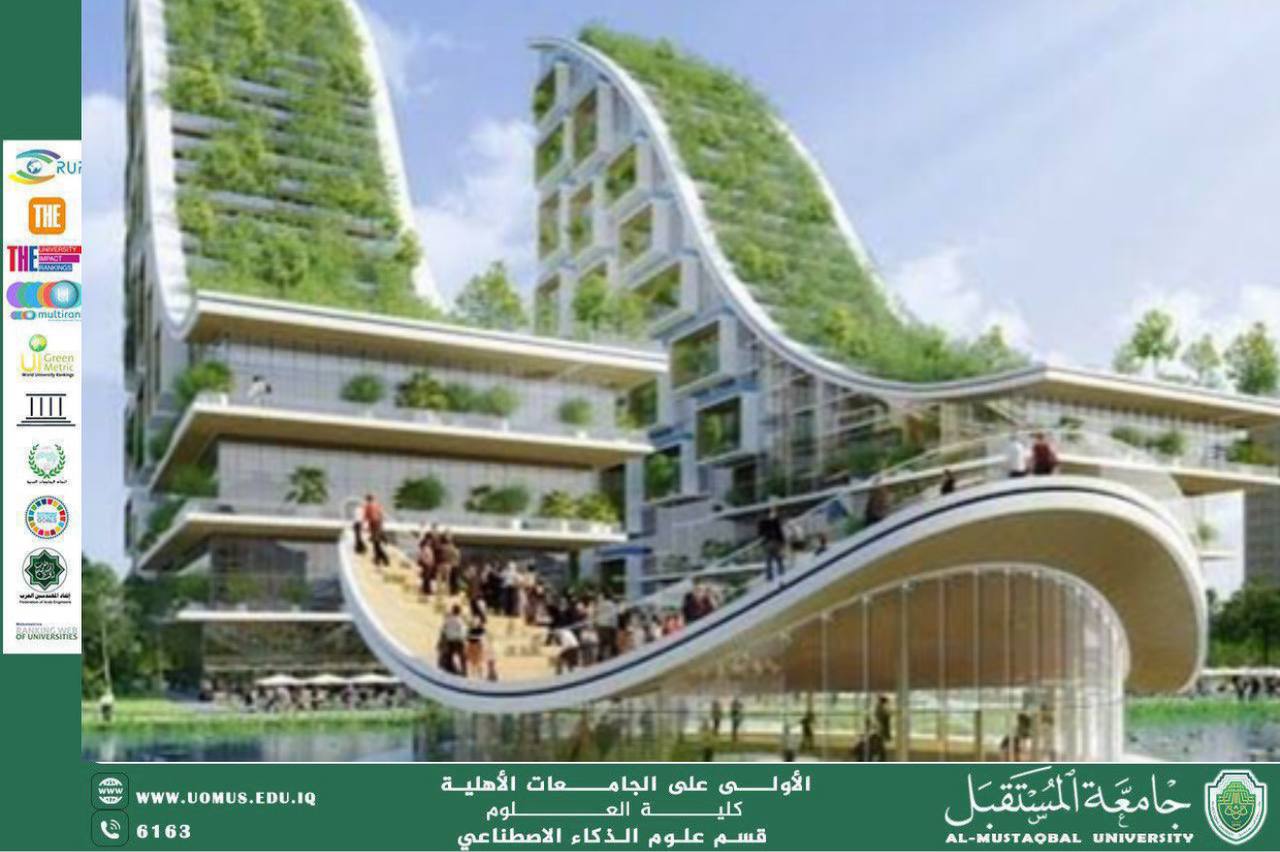
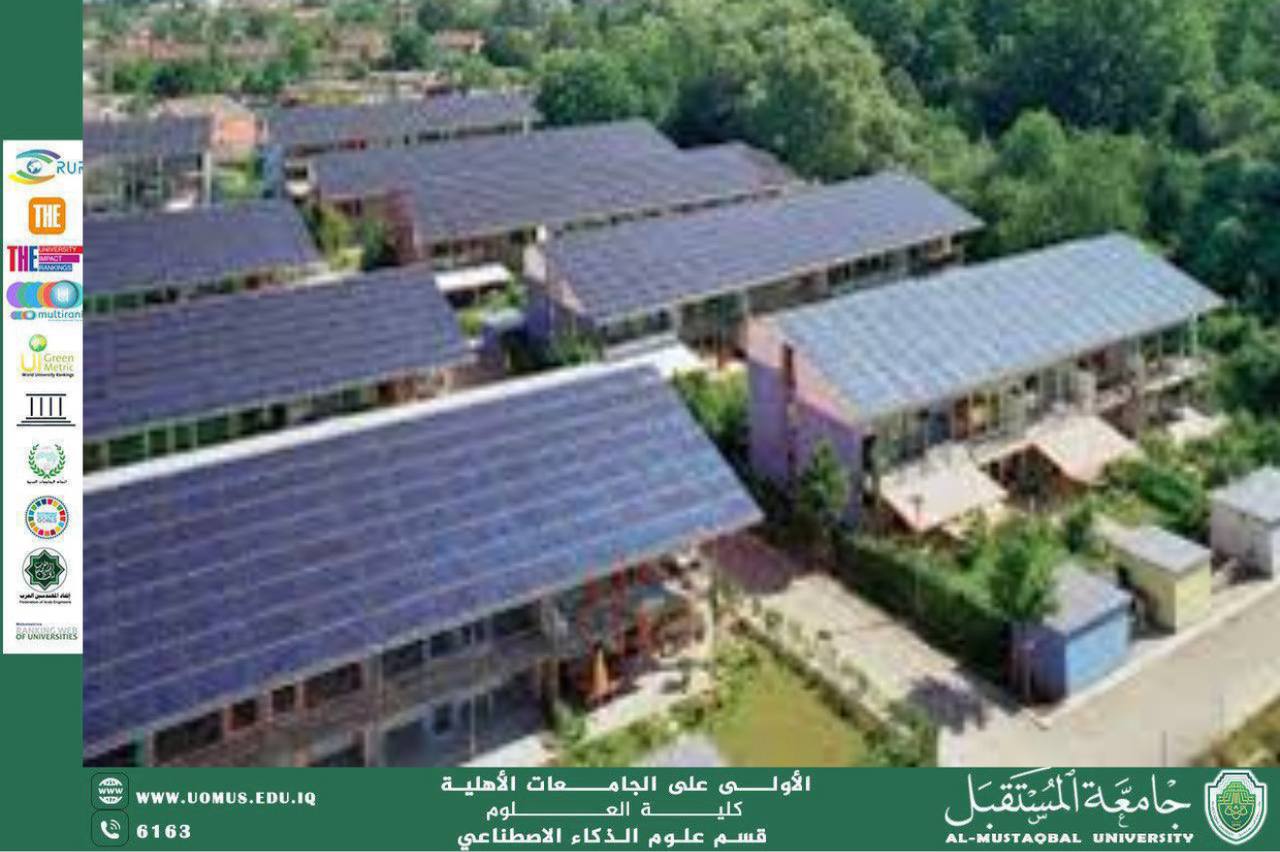
Green buildings have emerged as a key component of sustainable architecture, aiming to reduce energy consumption, minimize environmental impact, and improve the efficiency of resource utilization in modern urban environments. These buildings are designed using environmentally friendly materials and advanced technologies that optimize energy efficiency, reduce carbon emissions, and enhance indoor environmental quality. One of the primary advantages of green buildings is their ability to significantly reduce energy consumption through the use of thermal insulation, energy-efficient lighting systems, smart building technologies, and renewable energy sources such as solar panels. In addition, green buildings incorporate water conservation systems, including rainwater harvesting and recycling mechanisms, which contribute to sustainable resource management. Improved indoor air quality and natural ventilation systems also enhance the health and well-being of occupants, making green buildings not only environmentally beneficial but also socially advantageous. Furthermore, although the initial construction costs of green buildings may be higher compared to conventional structures, they offer long-term economic benefits through reduced operational costs, lower energy bills, and increased property value. Governments and policymakers play a crucial role in promoting green building practices by implementing regulations, providing incentives, and encouraging sustainable construction standards. Despite the challenges associated with implementation, green buildings represent a critical step toward achieving sustainable urban development, reducing energy demand, and mitigating the environmental impact of the construction sector in the modern world.
Al-Mustaqbal University is the leading private university among Iraqi private universities