Scientific Article: Protecting Rivers and Lakes from Pollution (Asst. Lec. Aya Mohammed Hussein Mohammed Ali)
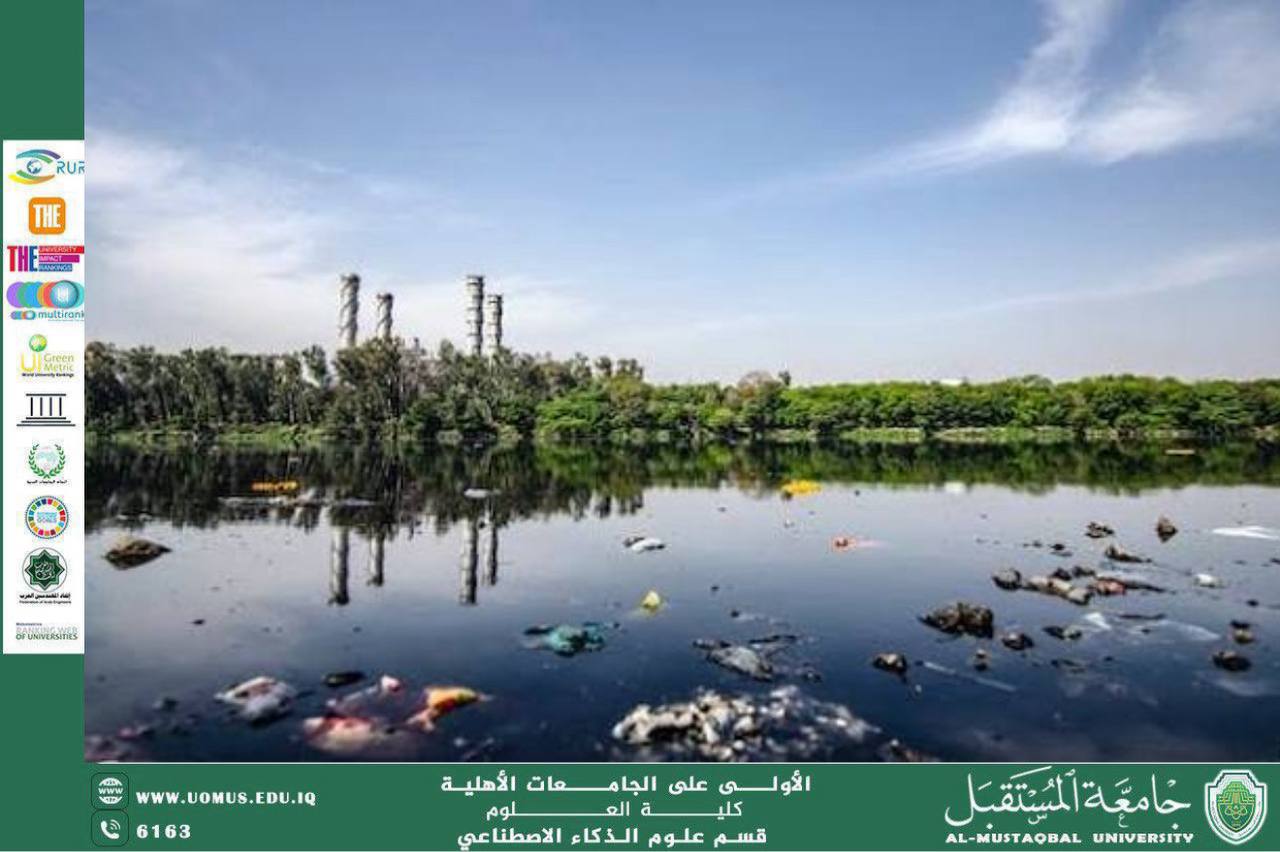
Rivers and lakes are among the most vital freshwater resources that support human life, agriculture, and ecosystems; however, they are increasingly threatened by pollution resulting from industrial waste, agricultural runoff, and untreated sewage discharge, leading to severe degradation of water quality and environmental health. Water pollution contributes to the spread of waterborne diseases, disrupts aquatic ecosystems, and threatens biodiversity by altering natural habitats and reducing oxygen levels in water bodies. Protecting rivers and lakes requires the implementation of effective environmental policies, including advanced wastewater treatment systems, strict regulation of industrial emissions, and sustainable agricultural practices that minimize chemical usage. Public awareness campaigns also play a crucial role in encouraging responsible environmental behavior and reducing harmful activities that contribute to water pollution. In addition, modern technologies such as water quality monitoring systems and environmental sensors can help detect pollution sources early and support timely intervention strategies. Collaborative efforts among governments, environmental organizations, and local communities are essential to ensure the preservation and sustainability of freshwater ecosystems. Ultimately, protecting rivers and lakes is a shared responsibility that is critical for maintaining ecological balance, safeguarding public health, and ensuring sustainable water resources for future generations.
Al-Mustaqbal University is the leading private university among Iraqi private universities