Scientific Article: The Water-Energy Nexus and Sustainability (Asst. Lec. Aya Mohammed Hussein Mohammed Ali)
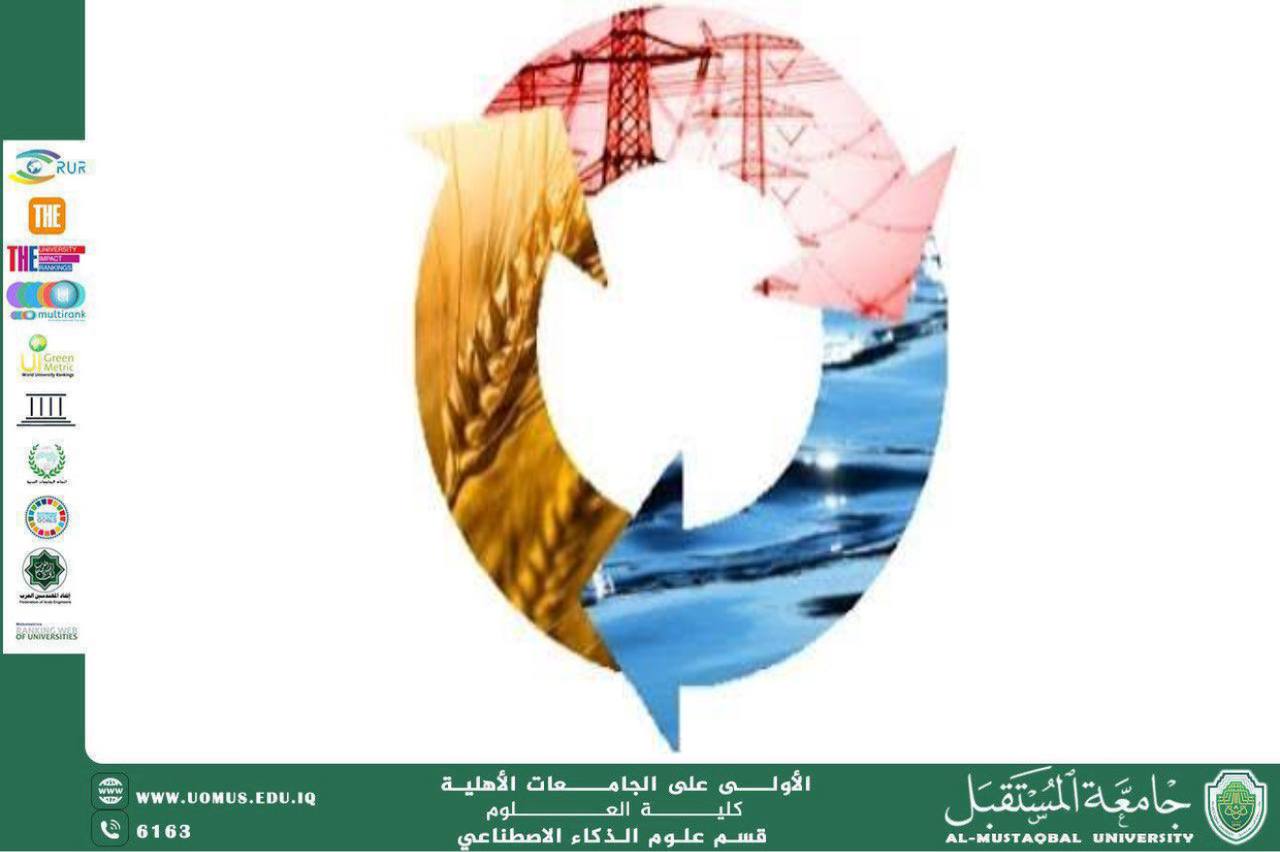
The relationship between water and energy, often referred to as the water-energy nexus, is a critical aspect of sustainable development as both resources are deeply interconnected and interdependent. Energy production processes require significant amounts of water for cooling, extraction, and processing, while water supply systems rely on energy for pumping, treatment, and distribution. This interdependency creates complex challenges, particularly in regions facing resource scarcity, where inefficiencies in one sector can negatively impact the other. Achieving sustainability requires integrated resource management strategies that optimize the use of both water and energy while minimizing waste and environmental impact. Technological innovations such as renewable energy systems, energy-efficient water treatment technologies, and smart resource management tools contribute to improving the efficiency of the water-energy nexus. Artificial intelligence and data analytics can further enhance decision-making processes by identifying patterns, predicting demand, and optimizing resource allocation. Government policies and regulatory frameworks also play a vital role in promoting sustainable practices and encouraging investment in innovative solutions that address the interconnected challenges of water and energy management. Ultimately, understanding and managing the water-energy nexus is essential for achieving long-term sustainability, ensuring resource availability, and supporting economic and environmental resilience.
Al-Mustaqbal University is the leading private university among Iraqi private universities