An academic article titled "Water Management in Light of Contemporary Environmental Challenges" by Lecturer Samar Hussein Hilal
Water management in light of contemporary environmental challenges
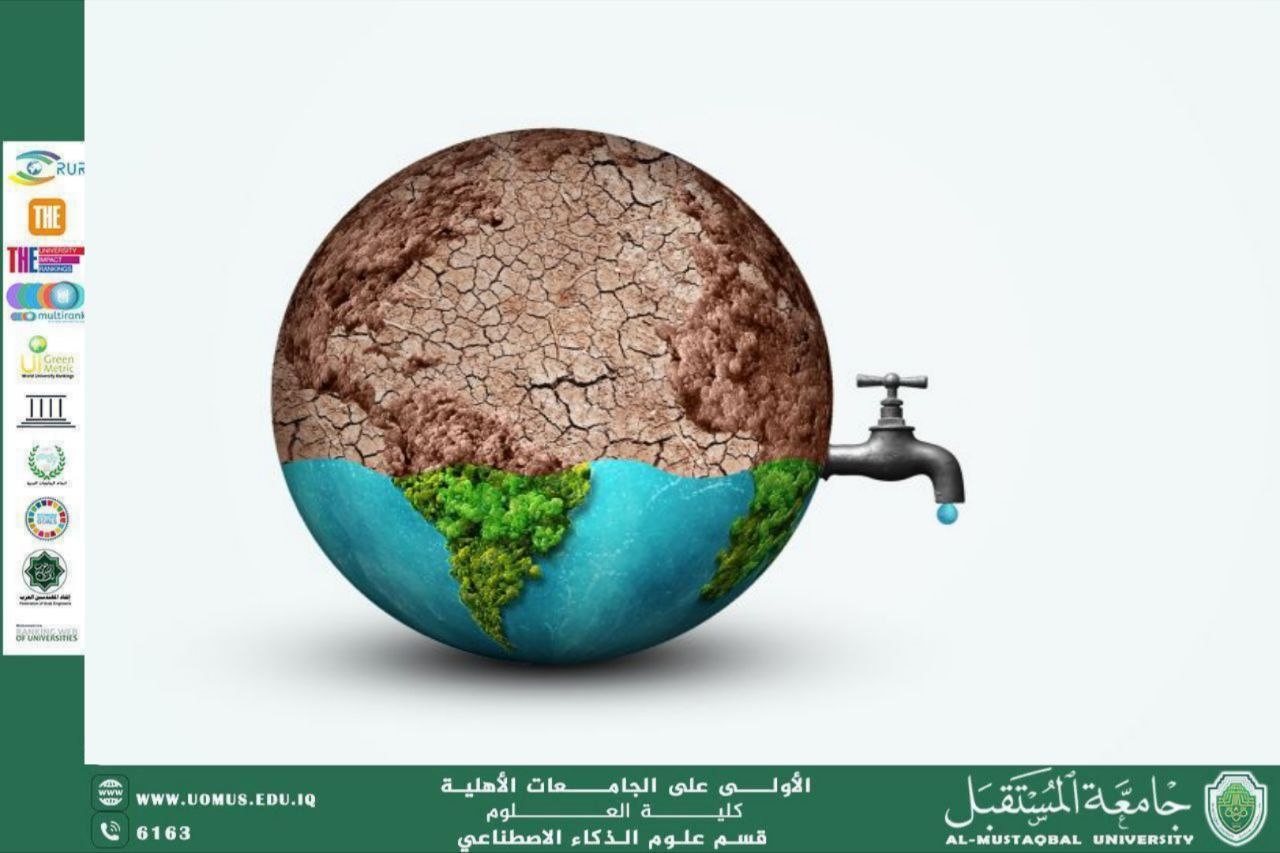
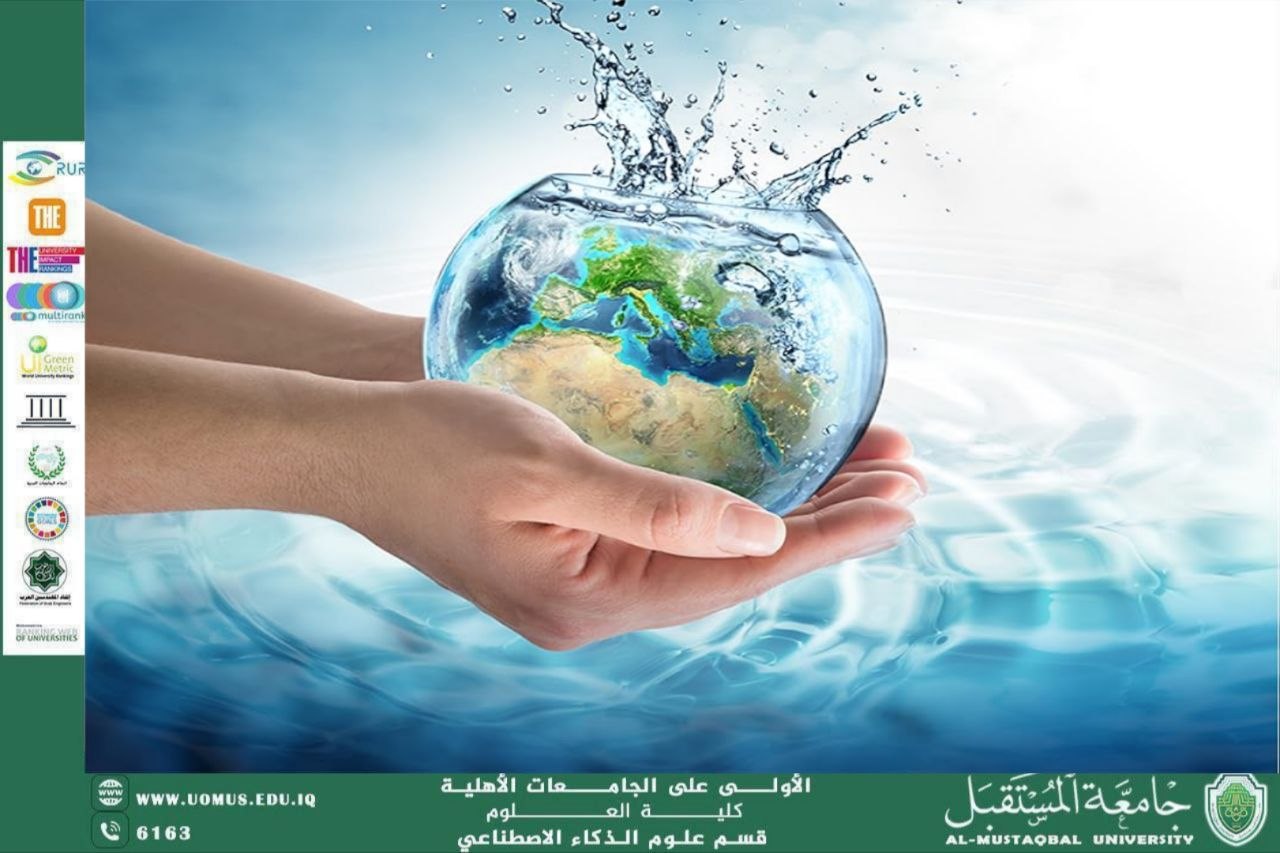
Water management has become an increasingly critical issue in the face of contemporary environmental challenges, as water is a fundamental resource for life as well as for economic and social development, however, this vital resource is under growing pressure due to climate change, population growth, urban expansion, and mismanagement, leading to severe water scarcity in many parts of the world, effective water management relies on a set of policies and practices aimed at balancing supply and demand while ensuring the sustainable use of water resources, this includes the adoption of modern technologies to improve efficiency, such as smart irrigation systems, wastewater treatment and reuse in agriculture and industry, and the optimization of distribution networks to reduce losses, protecting water sources from pollution is also a key component of sustainable management, achieved by limiting the discharge of industrial waste and untreated water into rivers and other water bodies, in addition, public awareness plays a significant role in influencing individual behavior toward responsible water consumption, as small daily actions can collectively make a substantial difference, furthermore, international cooperation is essential, particularly in managing transboundary water resources, to prevent conflicts and ensure fair distribution, adapting to climate change through strategies such as rainwater harvesting and seawater desalination has also become increasingly necessary to address future challenges, in this context, water management is not the responsibility of a single entity but a comprehensive process that requires collaboration among governments, institutions, and individuals, ultimately, achieving water security depends on the sustainable and efficient management of water resources to ensure their availability for future generations while maintaining ecological balance.