An academic article titled "Sustainability in the Transportation Sector: Innovative Solutions to Reduce Emissions" by Lecturer Samar Hussein Hilal
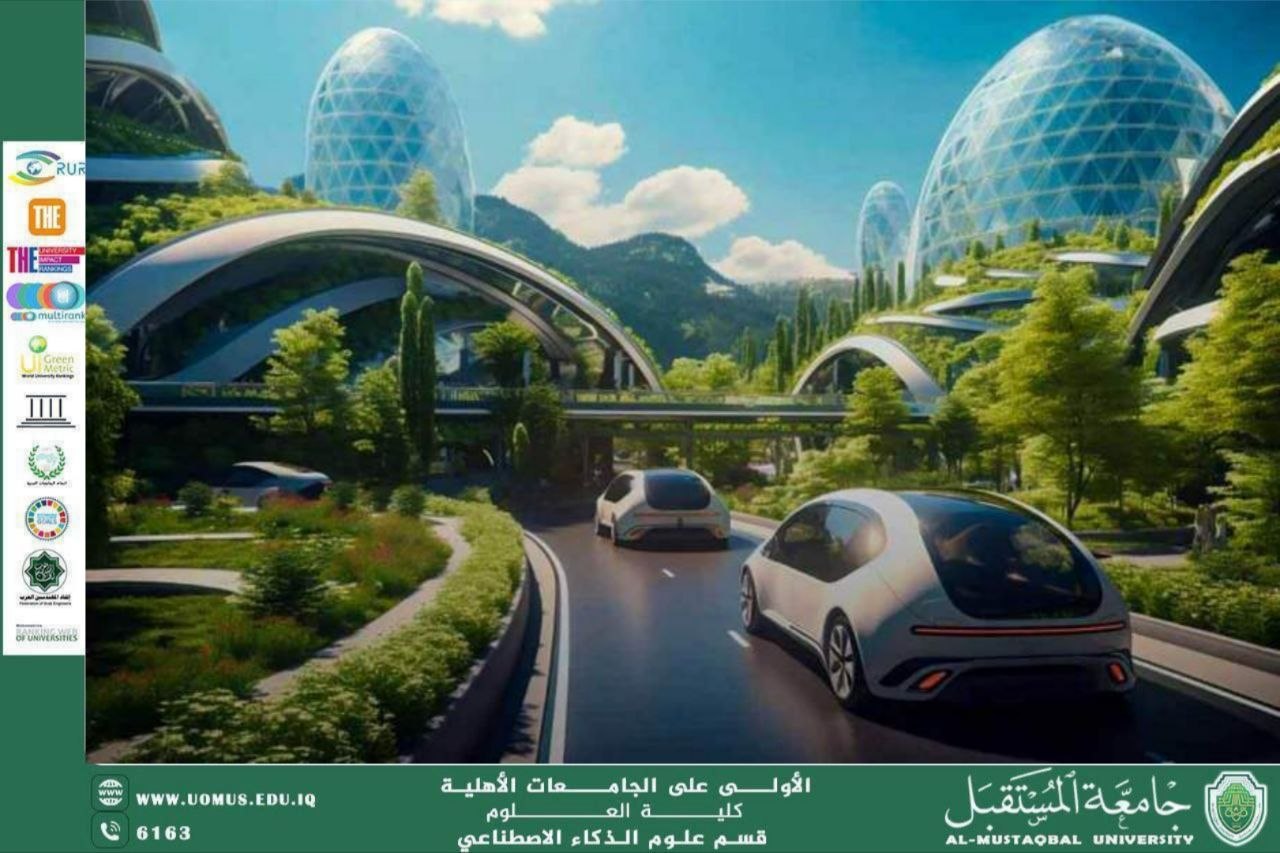
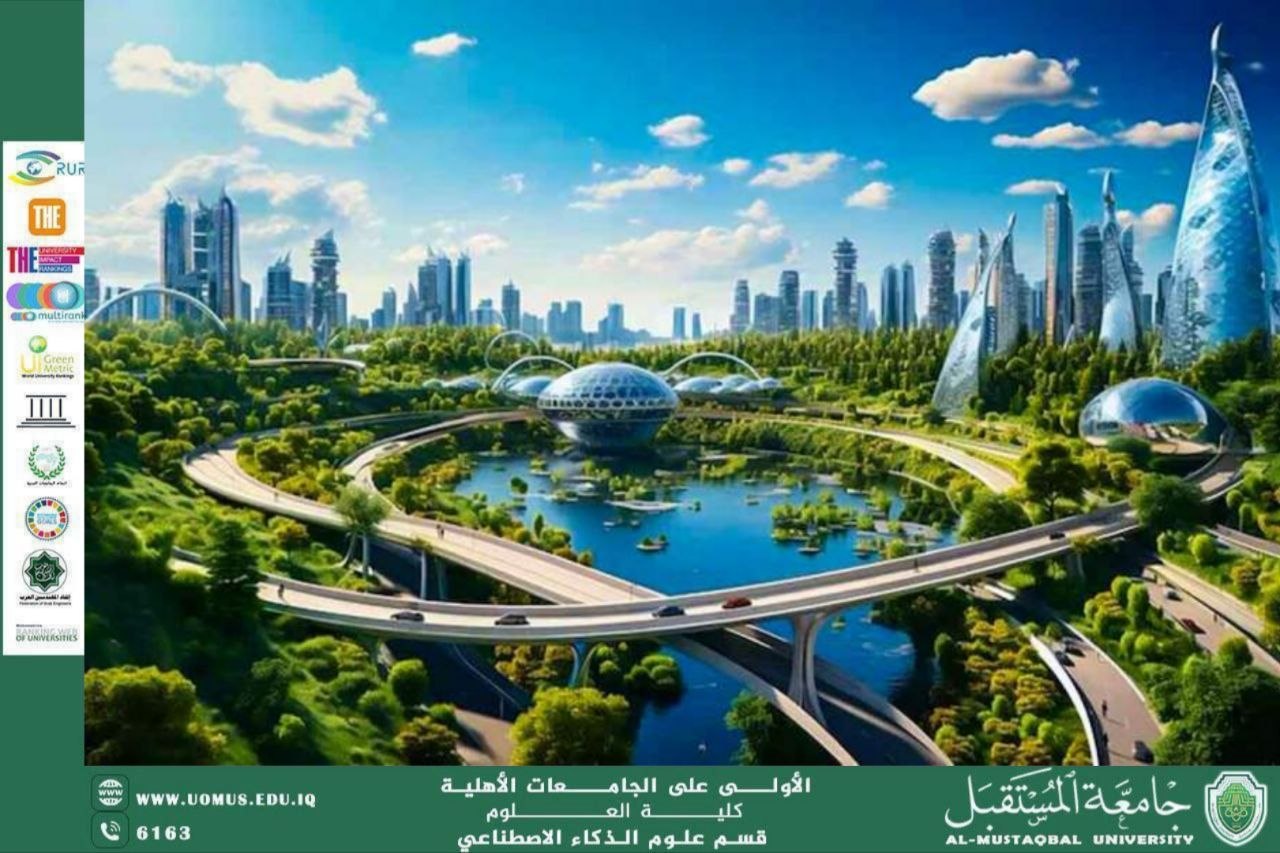
Sustainability in the transport sector: Innovative solutions to reduce emissions Sustainability in the transport sector has become a critical issue receiving increasing attention in light of accelerating environmental challenges, as this sector is one of the largest contributors to greenhouse gas emissions and air pollution, directly impacting human health and the environment, with the continuous growth in population, urban expansion, and rising demand for transportation, it has become essential to adopt innovative solutions to reduce emissions and create a more efficient and sustainable transport system, one of the most prominent solutions is the transition to electric vehicles that rely on clean energy sources instead of fossil fuels, significantly reducing carbon dioxide emissions, in addition, the development of public transportation systems such as electric trains and smart buses encourages individuals to rely less on private cars, thereby reducing traffic congestion and energy consumption, furthermore, the use of advanced technologies such as intelligent transport systems and traffic management applications helps optimize traffic flow, minimizing delays and reducing emissions caused by frequent stopping, promoting alternative modes of transportation such as cycling and walking is also an important strategy, particularly in cities with appropriate infrastructure, government policies play a crucial role as well by enforcing environmental regulations on vehicles, offering incentives for adopting clean transportation, and investing in sustainable mobility projects, moreover, innovation in alternative fuels such as hydrogen and biofuels represents a promising step toward reducing dependence on conventional energy sources, achieving sustainability in the transport sector requires an integrated approach that combines technology, policy, and public awareness, as it is not only about improving transportation systems but also about encouraging behavioral changes toward environmentally friendly choices, ultimately, adopting sustainable transport solutions contributes to improving quality of life, reducing pollution, and conserving natural resources, thereby supporting long-term sustainable development for future generations.