
Water Scarcity and Its Impact on Public Health in the Face of Global Changes
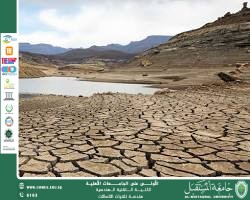
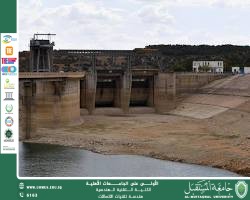
Water scarcity is one of the most pressing challenges facing the world today, with serious implications for public health and quality of life. Water is essential for life, and any disruption in its availability or quality can have severe consequences for humans and the environment alike. With the continuous growth of the global population and rapid climate changes, the water crisis has become increasingly complex, necessitating sustainable and effective solutions.
1. Understanding Water Scarcity and Its Causes
Water scarcity refers to the insufficient availability of water to meet human needs for drinking, household use, and agriculture. Several factors contribute to this problem, including climate change, which affects rainfall patterns, excessive water consumption, and poor water management. Environmental pollution also reduces the proportion of water safe for use, while conflicts and wars can destroy water sources and related infrastructure, further aggravating the issue.
2. The Link Between Water Scarcity and Disease Spread
Water scarcity is directly associated with the spread of various diseases, particularly those transmitted through contaminated water. When clean water sources are limited, people are forced to use unsafe water, increasing the risk of diseases such as severe diarrhea, cholera, and hepatitis. Limited water availability also reduces personal hygiene, contributing to skin infections and intestinal diseases. Additionally, improper water storage can create environments conducive to the breeding of disease-carrying insects.
3. Health and Social Implications
The effects of water scarcity extend beyond health, affecting social and economic aspects as well. Disease outbreaks increase pressure on healthcare systems, reduce productivity, and exacerbate poverty levels. Vulnerable groups, such as children, women, and the elderly, are particularly at risk due to their limited capacity to cope with these challenges.
4. Strategies to Mitigate Water Scarcity
Addressing water scarcity requires a comprehensive set of measures, including improving water resource management, upgrading water networks to reduce losses, and ensuring access to safe and clean water. Raising public awareness about the importance of water conservation and personal hygiene is also essential. Furthermore, modern technologies, such as water desalination and recycling, alongside international cooperation, can help tackle shared environmental challenges.
Water scarcity is a global challenge that affects human health and societal stability. It can only be addressed through collective efforts involving governments, institutions, and individuals. Investing in water management, infrastructure development, and health awareness is crucial to ensuring a safer and more sustainable future for coming generations.
Prepared by: Hiba Ali Khazal
Department: Communication Technologies
Al-Mustaqbal University – Ranked First Among Private Universities in Iraq