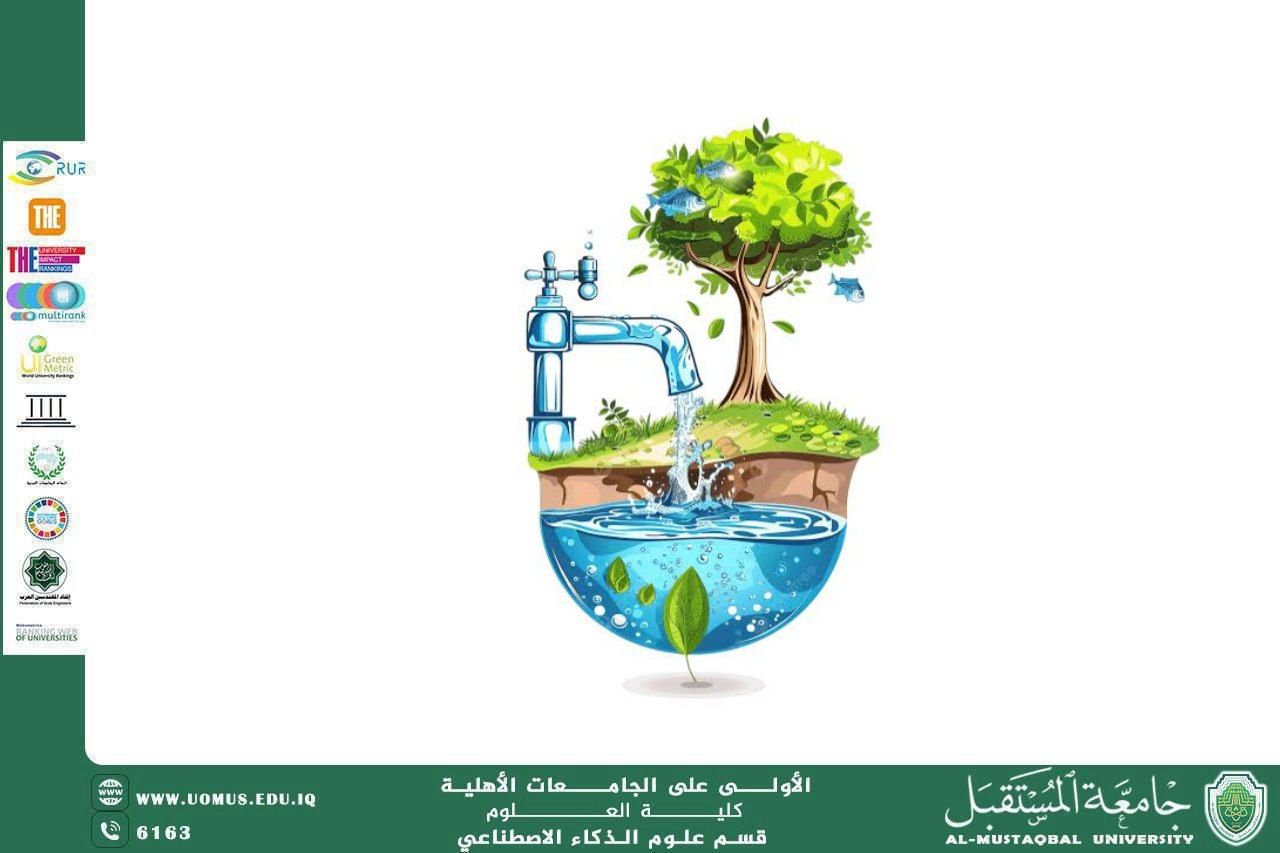
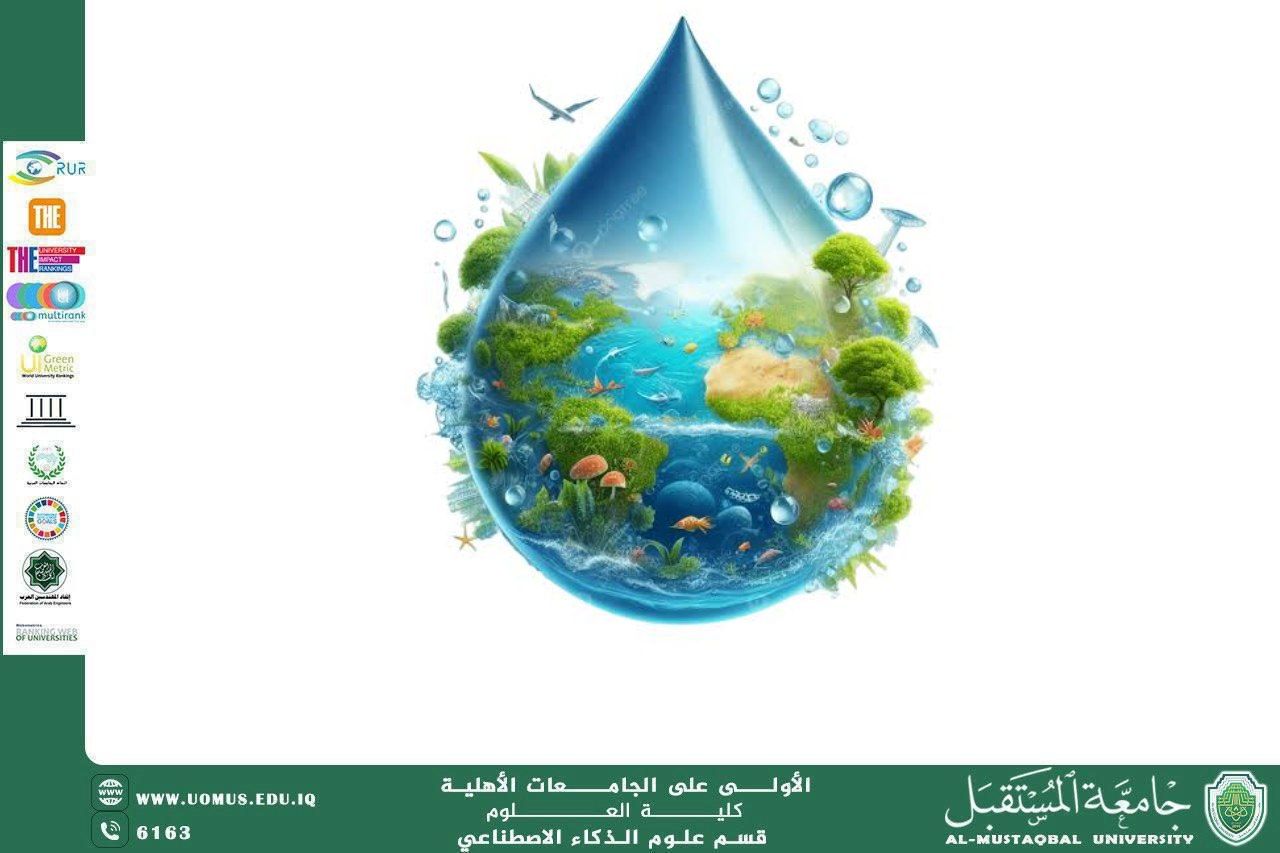
An article by researcher Nour Hassan Obeid entitled "Water in the Arab World: Challenges and Solutions"
states that the Arab world suffers from a genuine water crisis that transcends a mere scarcity of resources, becoming an existential challenge linked to national and food security and the stability of societies amidst the accelerating climate changes that are severely impacting the region. The geographical location of most Arab countries places them within arid and semi-arid zones, where annual rainfall is significantly reduced while evaporation rates increase due to the continuous rise in global temperatures. This crisis is exacerbated by the heavy reliance on transboundary water resources originating outside Arab territories, making water allocations subject to political maneuvering and the development projects of neighboring countries, which may negatively affect the flow of major historical rivers. Furthermore, the challenge of rapid population growth is evident, increasing water demand in the industrial, agricultural, and domestic sectors, thus putting pressure on limited and often non-renewable groundwater reserves. From a technical standpoint, the problem of deteriorating infrastructure and the loss of enormous quantities of water due to leaks in the networks or the use of traditional irrigation methods unsuitable for the current scarcity of resources is also prominent. To confront these formidable challenges, the Arab world is moving towards adopting innovative strategies based on modern technologies, such as seawater desalination, which has become an indispensable strategic option for coastal states despite its high cost and environmental impact. The trend towards treating and recycling wastewater for irrigation and afforestation is also emerging as a sustainable solution that reduces waste and protects the environment from pollution caused by untreated discharge. Solutions are not limited to providing new water sources but also include changing consumption patterns and raising public awareness of the importance of water conservation through the adoption of smart irrigation systems and hydroponic farming technologies that save enormous quantities of water. Scientific research and regional cooperation remain key to developing national technologies capable of cultivating drought- and salinity-resistant crops, thus ensuring continued food production without depleting scarce water resources. Integrating national water policies with investments in clean energy to power desalination plants represents the right path towards a secure and sustainable water future that protects the rights of future generations to live in dignity on their Arab land. Ultimately, managing water resources intelligently and efficiently is no longer a luxury but an absolute necessity requiring the concerted efforts of all governmental and societal bodies to confront this imminent danger that threatens the region's stability and its economic and social development in the 21st century.
Al-Mustaqbal University ranked first among Iraqi private universities.