An article by researcher Nour Hassan Obeid entitled "Climate Change and its Impact on Water Resources"
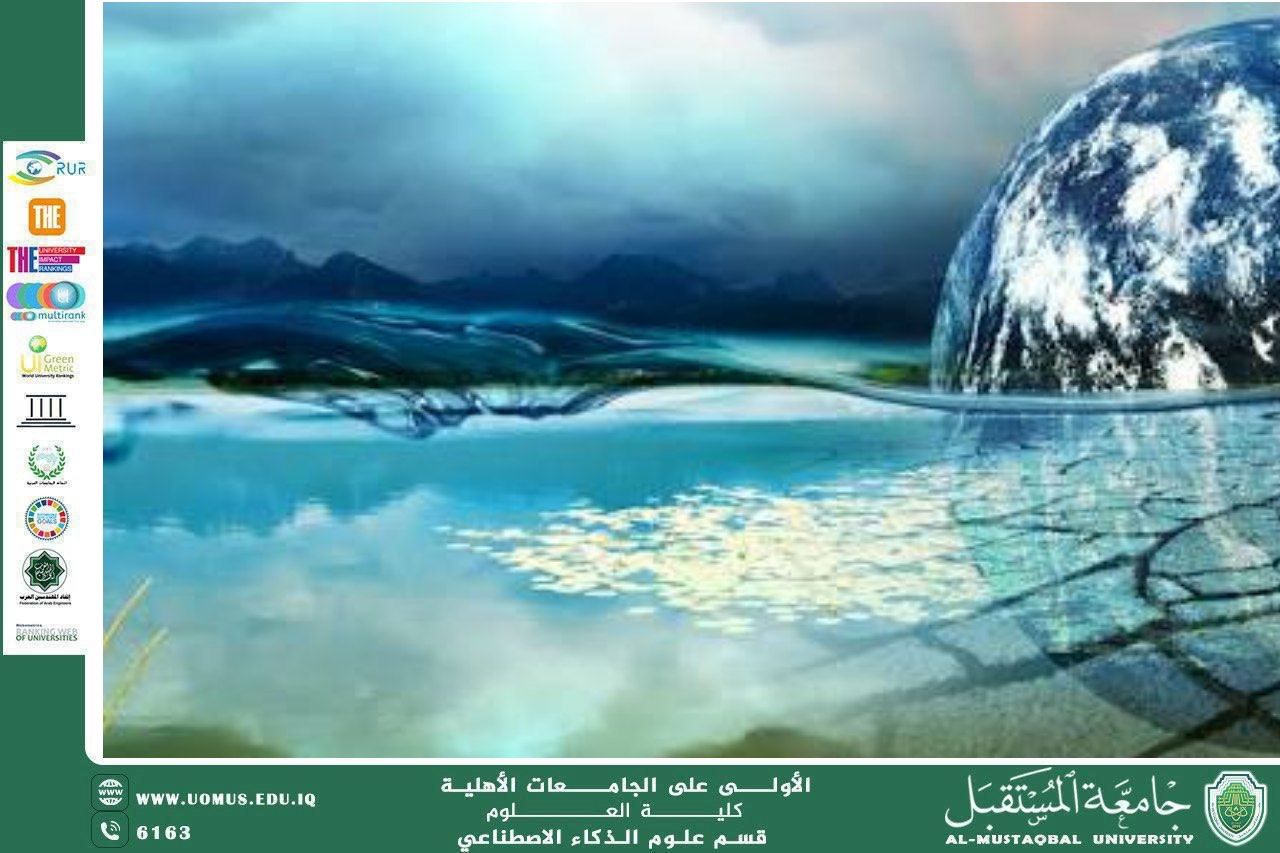
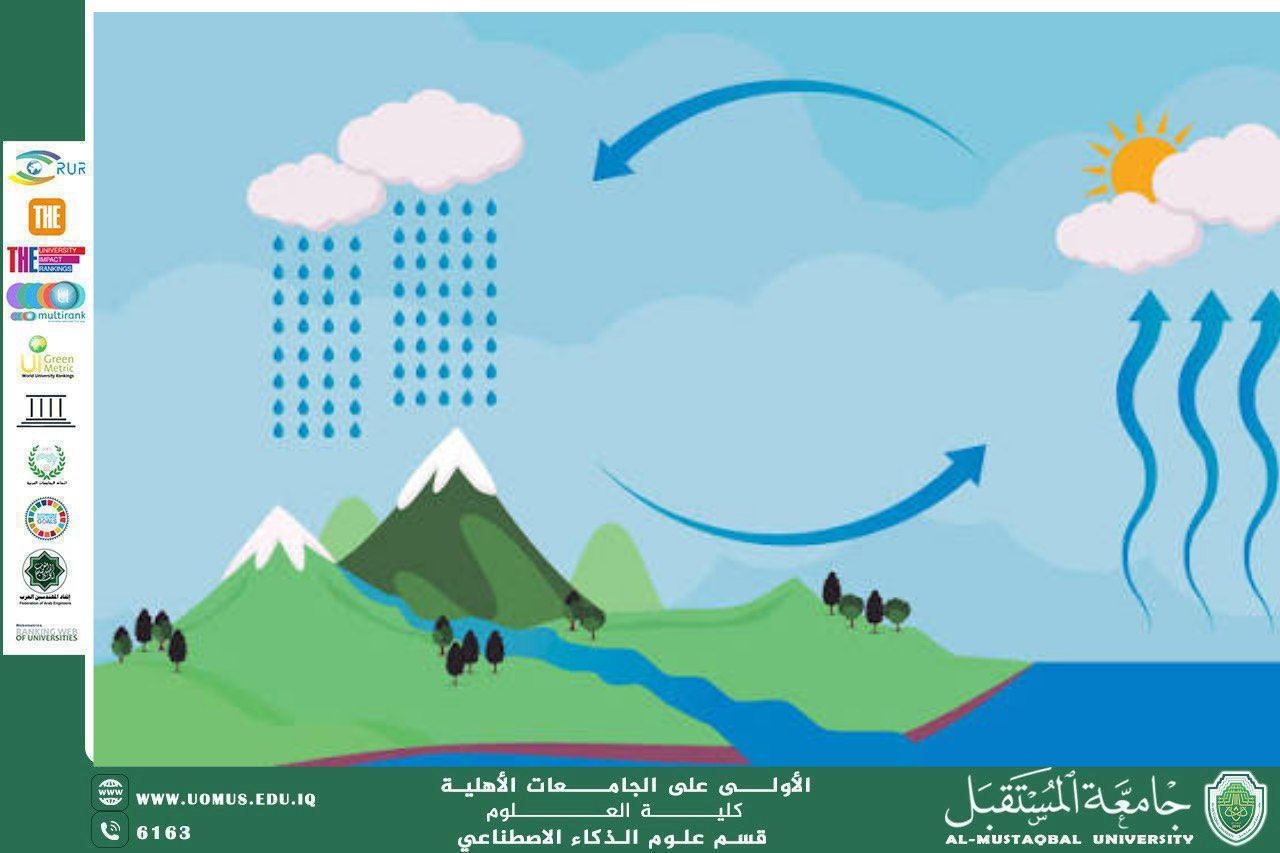
Climate change is one of the most serious challenges facing humanity in the modern era due to its direct and fundamental impact on the Earth's natural water cycle, threatening global water security in an unprecedented way. The continuous rise in atmospheric temperatures accelerates evaporation from oceans, seas, and lakes, altering rainfall patterns and making them more erratic and violent in some regions, while others suffer from prolonged and severe droughts. Glaciers, which serve as strategic reservoirs of fresh water, are affected by accelerated melting, initially leading to devastating floods followed by a gradual drying up of the headwaters of rivers that depend on these ice caps for their annual flow. Furthermore, the rise in sea level caused by global warming leads to saltwater intrusion into coastal aquifers, degrading water quality and rendering it unsuitable for drinking or agriculture. This places immense pressure on the water resources available to the inhabitants of these regions. Disruptions to the water cycle not only affect the quantity of available water but also its quality. Severe flooding washes pollutants and waste into waterways, increasing the cost of water treatment and making access to clean water extremely difficult and expensive. Global agriculture faces a direct threat from these changes, as most crops depend on stable rainfall patterns and irrigation. This could lead to devastating food crises if the climate continues to deteriorate. Depleting groundwater to compensate for rainfall shortages is an unsustainable strategy that exacerbates the crisis in the long term and makes aquatic ecosystems vulnerable to complete collapse and the loss of their biodiversity. It is essential for communities to recognize that water conservation is no longer a secondary option but an imperative that requires the development of advanced technologies in desalination and water recycling to address the severe shortages expected in the near future. International cooperation in managing shared river basins has become a security imperative to prevent water conflicts that may arise from the decreasing water shares of riparian states due to accelerating climate change. Ultimately, reducing carbon emissions remains the only fundamental solution for restoring climate balance and ensuring the sustainability of water resources for future generations, guaranteeing the continued existence of life on this planet in a safe and stable manner, free from the specter of thirst and drought that threatens the stability of human societies everywhere.
Al-Mustaqbal University is ranked first among Iraqi private universities.