Proper Tooth Brushing: Common Mistakes to Avoid
Tooth brushing is a fundamental daily habit, yet its simplicity often leads to common mistakes that can negatively impact oral health. Many individuals focus solely on frequency, overlooking the importance of proper technique.
One of the most frequent mistakes is applying excessive force during brushing. This can gradually wear down enamel and contribute to gum recession. Similarly, using hard-bristled toothbrushes may cause more harm than benefit, despite the belief that they clean more effectively.
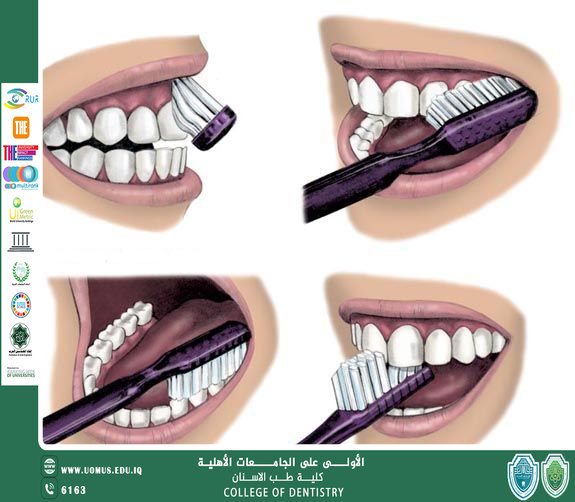
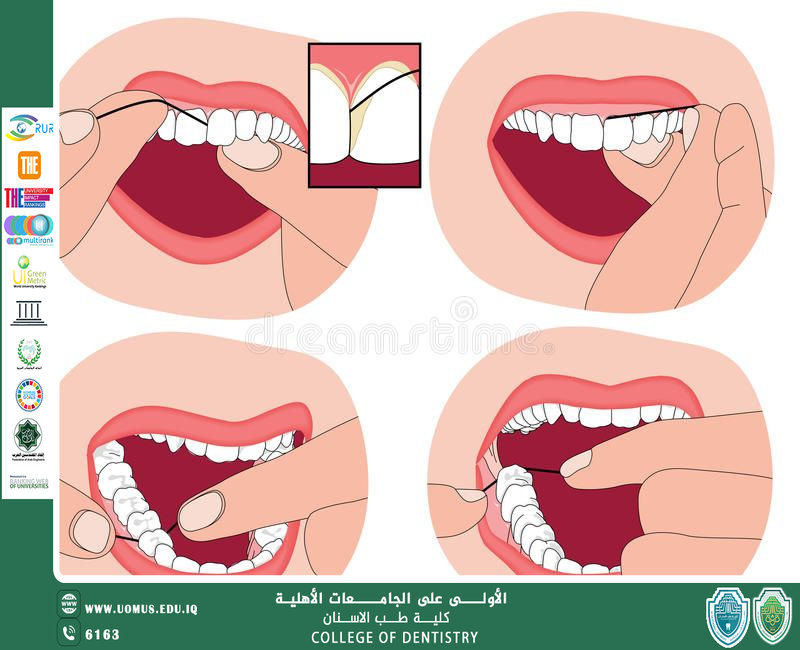
Neglecting hard-to-reach areas, such as interproximal spaces and posterior teeth, allows plaque accumulation. In addition, failure to clean the tongue contributes significantly to bacterial buildup and persistent bad breath.
Other issues include insufficient brushing time, irregular habits, and failure to replace toothbrushes regularly. Over time, worn bristles reduce cleaning efficiency and may harbor bacteria.
Effective brushing relies on proper technique rather than intensity. Gentle circular motions, thorough coverage of all tooth surfaces, and consistent flossing are essential components of oral hygiene. The use of fluoride toothpaste further enhances protection against decay.
Ultimately, the challenge lies not in brushing itself, but in performing it correctly and consistently. Thoughtful daily care forms the foundation for long-term oral health.