The role of water in achieving food security. Researcher: Banin Nazim
Water is one of the most essential natural resources that sustain human life and ecological systems. It plays a fundamental role in supporting all vital activities, particularly agriculture, which is the cornerstone of global food security. Without sufficient and sustainable water resources, it is impossible to produce the quantity and quality of food required to meet the growing needs of the global population.
Food security is directly linked to a nation’s ability to provide sufficient, safe, and nutritious food for all individuals at all times. Water is a critical factor in achieving this goal, as it is used in crop irrigation, livestock production, and overall food generation. Global statistics indicate that nearly 70% of freshwater resources are consumed by agriculture, highlighting the importance of effective water management.
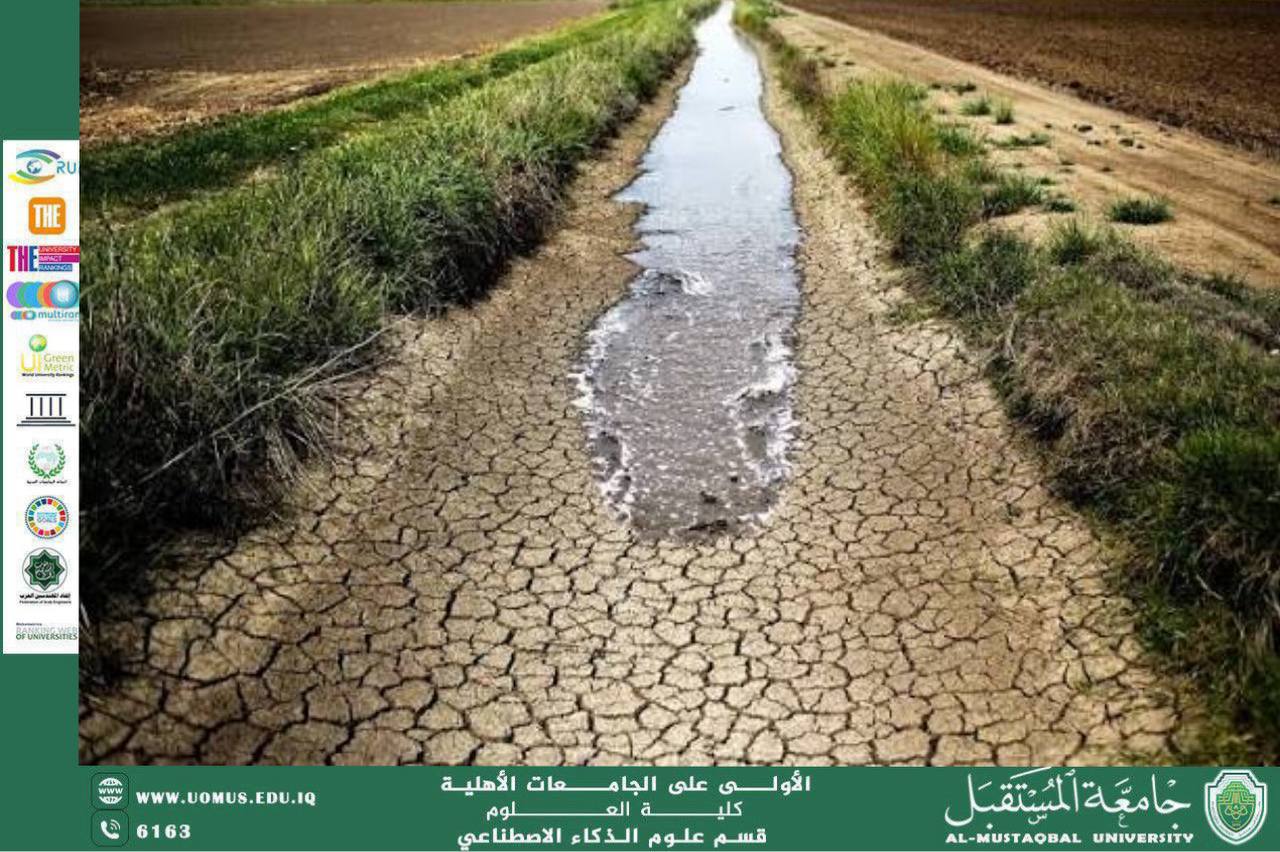
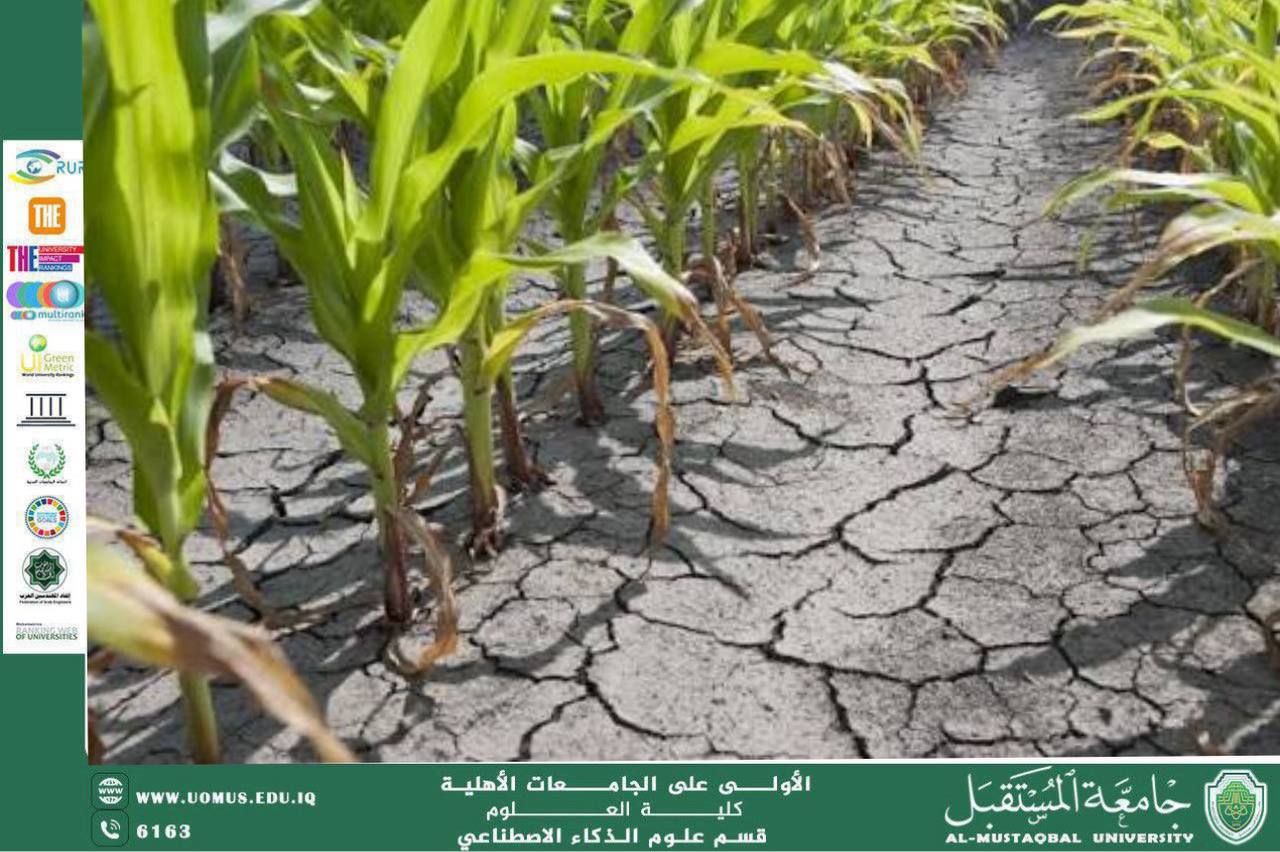
With the continuous growth of the global population, the demand for increased agricultural production is rising, placing significant pressure on water resources. At the same time, many countries face serious challenges such as water scarcity, declining water quality, and the impacts of climate change, including rising temperatures, reduced rainfall, and prolonged droughts. These factors directly affect agricultural productivity and threaten food security.
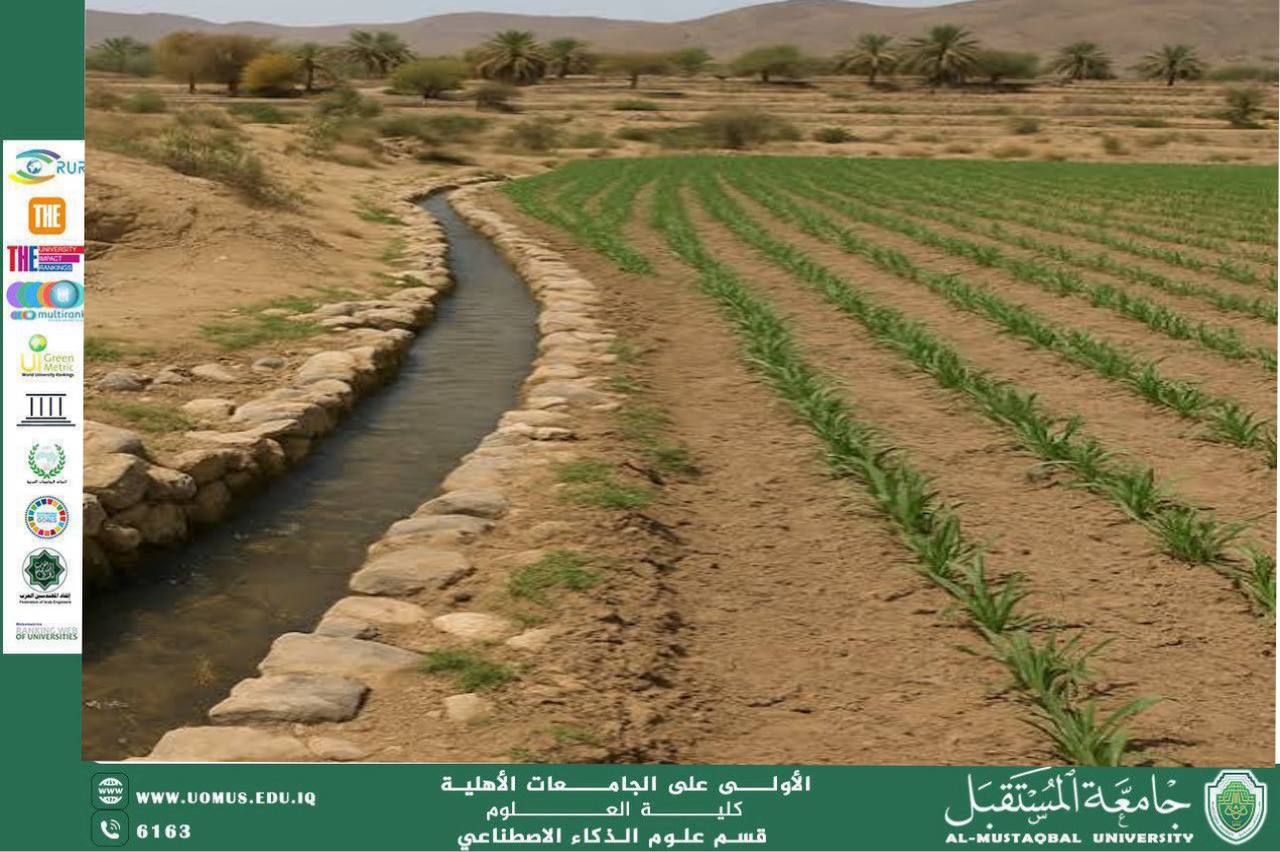
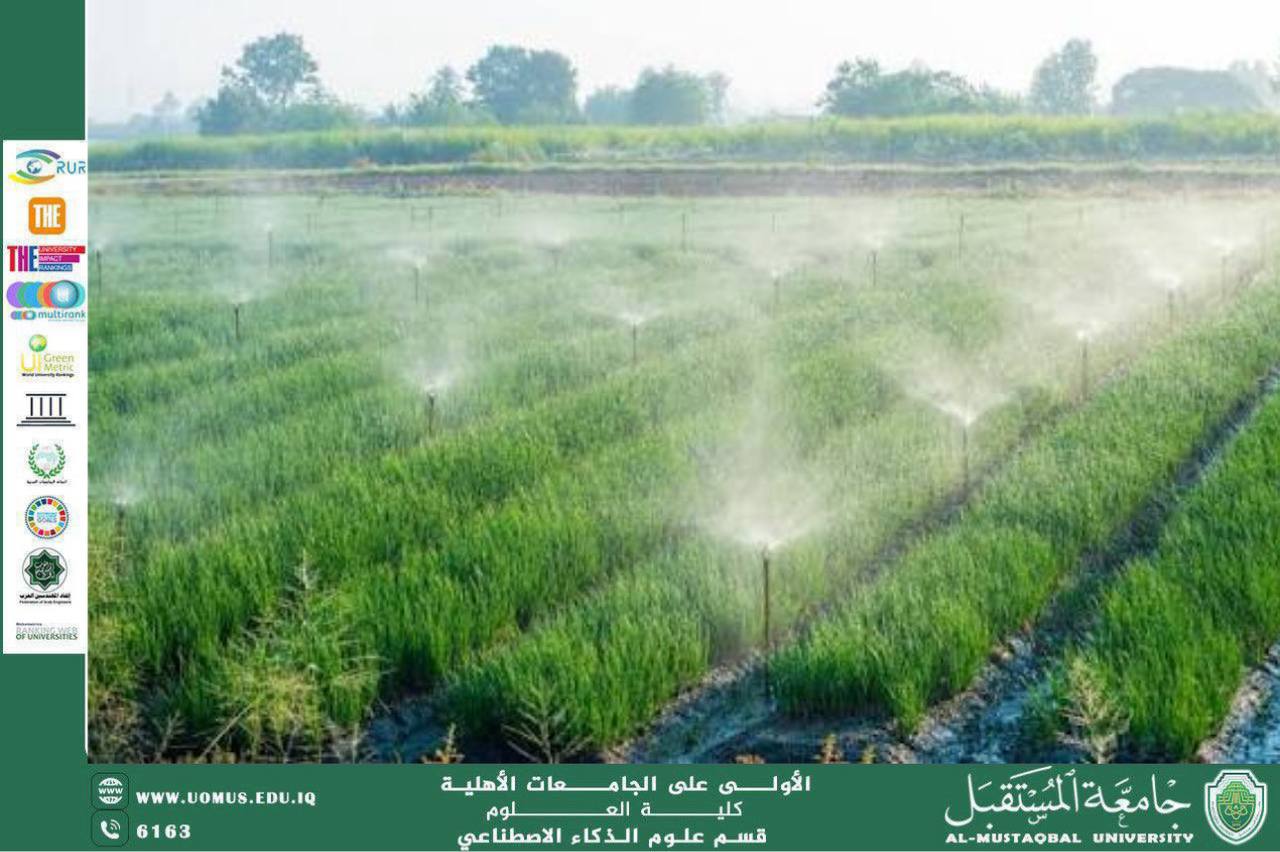
Inefficient water use in agriculture, particularly through traditional irrigation methods, leads to significant water loss without achieving optimal productivity. This necessitates the adoption of modern water management techniques such as drip irrigation and smart irrigation systems, which reduce waste and improve efficiency.
Water is also vital in the food industry, as it is involved in various stages of food processing. The quality of water directly impacts food quality and safety, which in turn affects human health and well-being.
Government policies play a crucial role in regulating water usage and ensuring fair distribution among different sectors. Long-term strategies must be implemented to guarantee sustainable water resources. International cooperation is also essential, especially in managing transboundary water resources.
Public awareness is another key factor in water conservation. Individual behaviors in daily water use can significantly reduce waste. Simple actions such as conserving water, fixing leaks, and using modern technologies can make a substantial difference.
Achieving global food security requires an integrated approach that combines sustainable water management, technological advancement, effective policies, and public awareness. Water is not just a resource; it is the foundation of life and development, and any mismanagement can directly impact societal stability.
In conclusion, preserving and efficiently using water resources is fundamental to achieving food security and ensuring a sustainable future for upcoming generations. This requires innovative strategies supported by science, technology, and strong political and social commitment to balance human needs with environmental protection.