Innovation in irrigation techniques to reduce water waste for the benefit of Benin Nazim
Agriculture is one of the most water-intensive sectors globally, making it a key area requiring continuous improvement in water management practices. With increasing challenges related to water scarcity and rising demand, adopting innovative irrigation technologies has become essential to reduce waste and maximize efficiency.
Traditional irrigation methods, such as flood irrigation, have long been used but result in significant water loss due to evaporation and seepage, along with inefficient distribution. This has led researchers and engineers to develop modern irrigation systems based on precision and control.
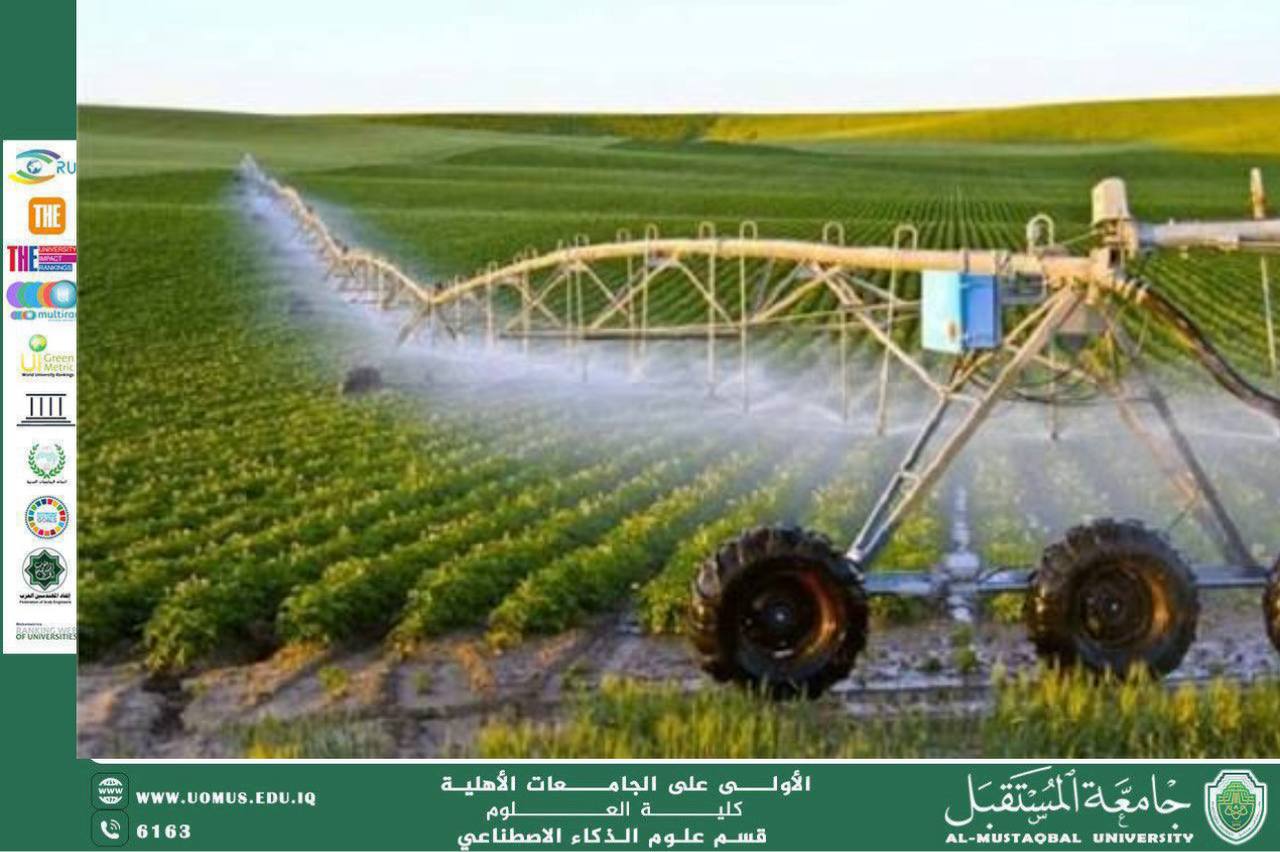
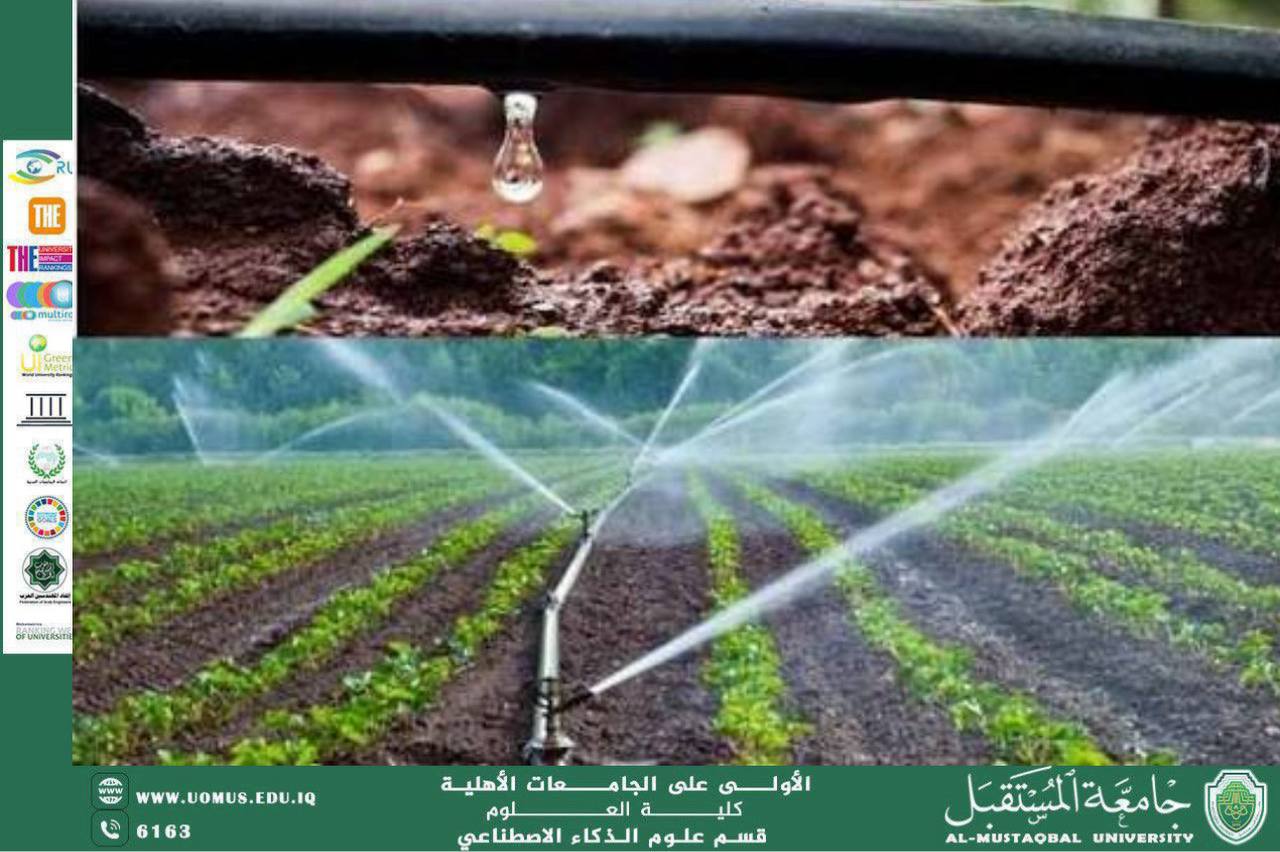
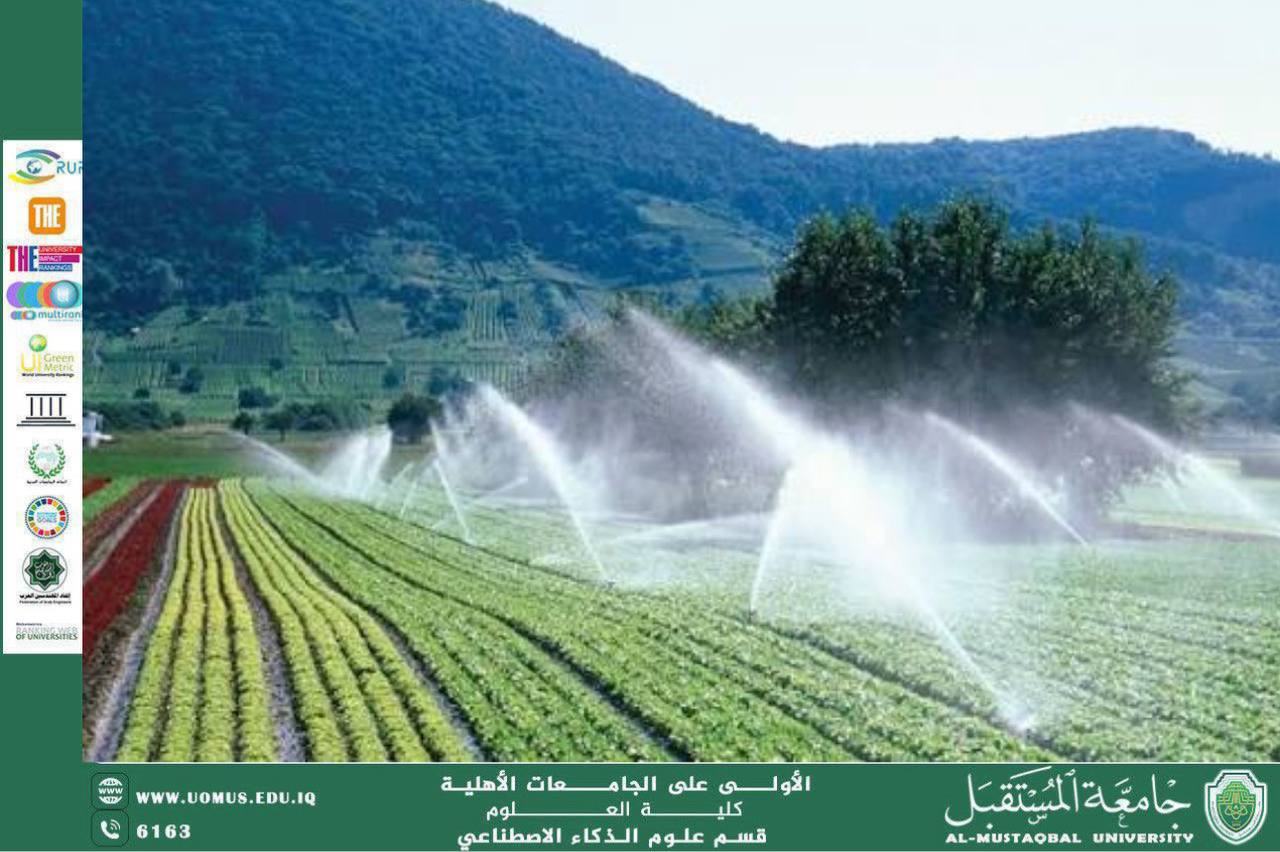
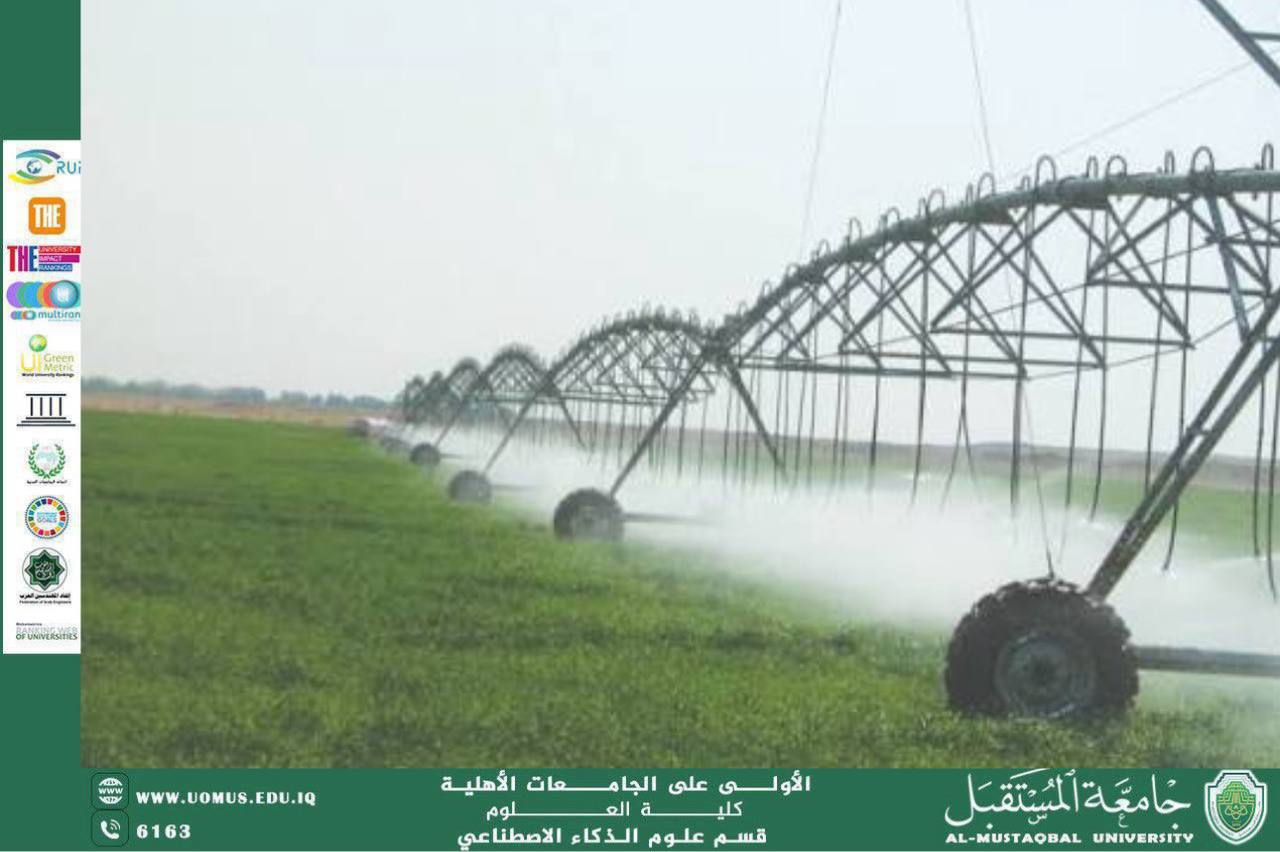
Drip irrigation is one of the most efficient techniques, delivering water directly to plant roots in controlled amounts, reducing waste and increasing crop productivity. Improved sprinkler systems also ensure balanced water distribution.
Smart irrigation systems use advanced sensors to measure soil moisture and temperature, determining the exact water needs of plants. These systems are integrated with data analysis software to optimize irrigation schedules and quantities.
Technologies such as artificial intelligence and the Internet of Things have revolutionized water management by enabling remote monitoring and real-time data analysis. These innovations reduce operational costs, enhance productivity, and conserve resources.
Renewable energy, especially solar power, is increasingly used to operate irrigation systems, making agriculture more sustainable.
Despite these advancements, challenges such as high initial costs, lack of awareness, and the need for training remain. Government support and incentives are crucial for wider adoption.
Innovation in irrigation technologies is a vital solution to global water challenges and contributes directly to food security and environmental sustainability.