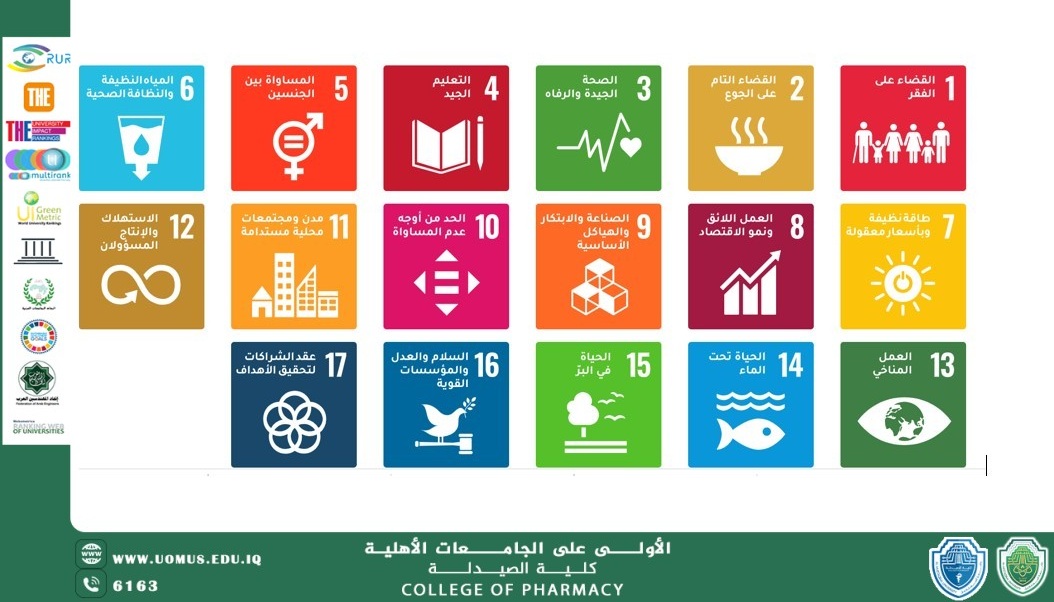
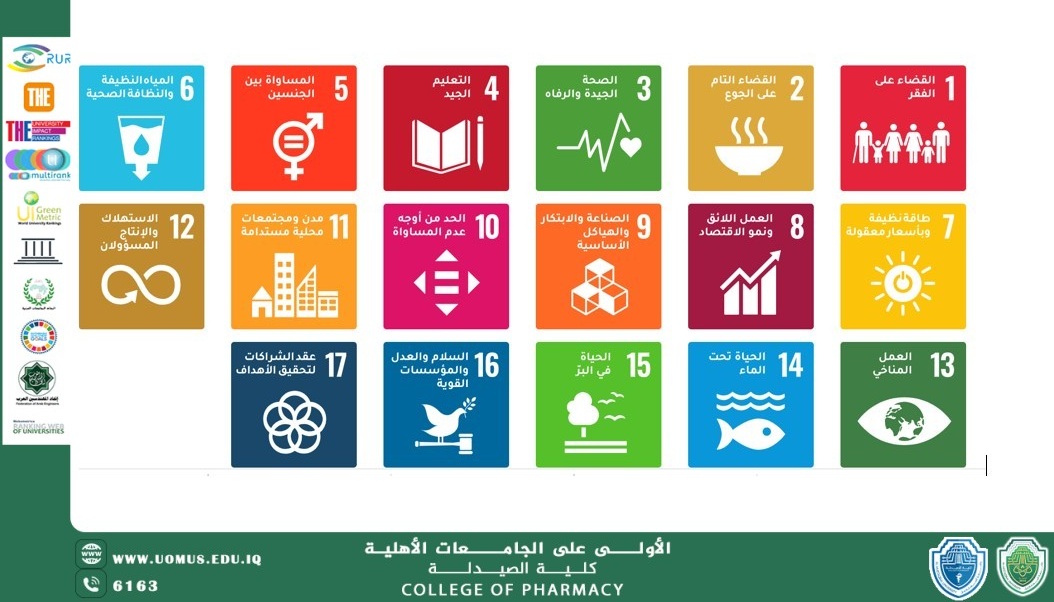
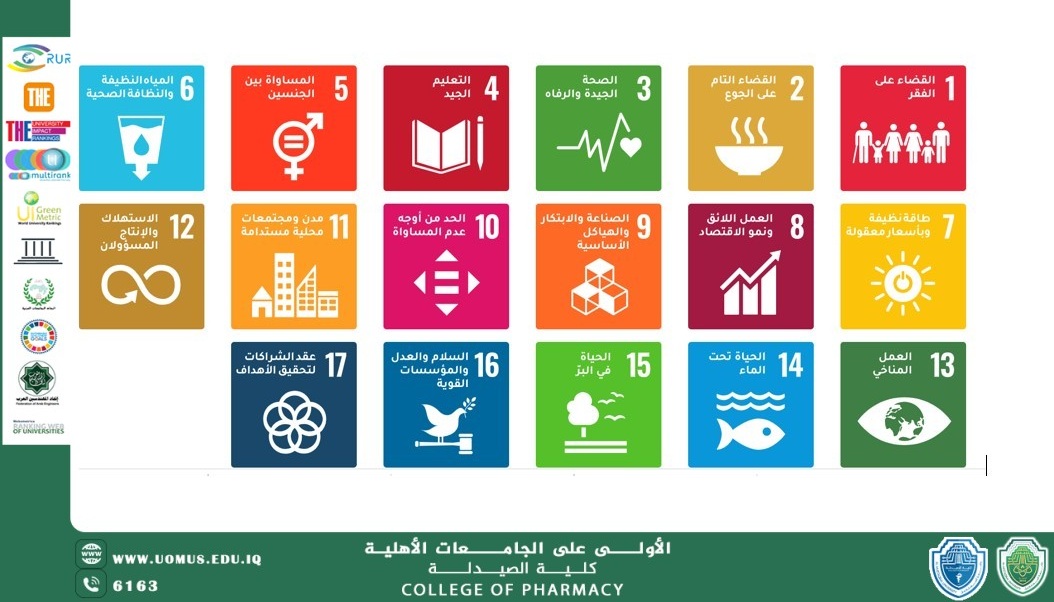
A Scientific Article by a Pharmacy Student within the Framework of Sustainable Development Goals
(Balancing Pharmacist Knowledge and Patient Understanding in Every Treatment Journey)
By :shafaa Tariq
The Critical Role of Pharmacist-Patient Collaboration in Treatment
A major challenge in a patient’s treatment journey is the gap between the pharmacist’s advice and the patient’s understanding. Pharmacists have extensive knowledge about medications—the right dosage, timing, interactions, and proper use. But this knowledge is only effective if patients truly understand their complete treatment plan, including the medical, psychological, and financial aspects.
Seeing Through the Patient’s Lens
Patients often face financial limitations. For example, a medication may be needed for six months, with specific dosing times, and require buying it twice a month. Some patients can only afford one month at a time. Without understanding this, patients may stop their treatment prematurely.
Pharmacists can help by designing treatment plans that consider the patient’s health, mental readiness, and financial situation. Sometimes, this may mean suggesting a more affordable medication, while clearly explaining that its effects might differ from the original prescription. Understanding these realities helps patients stick to their treatment.
Why Adherence Matters
Not all medications are equally critical. Missing a vitamin dose is very different from missing an essential insulin dose for a diabetic patient. Pharmacists need to emphasize which medications are “red-line” and require strict adherence, and which are supportive but less critical. This guidance helps patients prioritize their treatment effectively.
The Outcome of Collaboration
When pharmacists share their knowledge and ensure patients understand their treatment, the results are clear. Studies show that patients who receive comprehensive counseling—including both medication guidance and personal understanding—have 20–30% higher adherence, fewer complications, and better overall outcomes.
In the end, the formula is simple:
Pharmacist expertise + Patient understanding = Real, effective treatment