
Sustainability in Smart Cities: Towards an Integrated Urban Environment, by Rafal Qusay
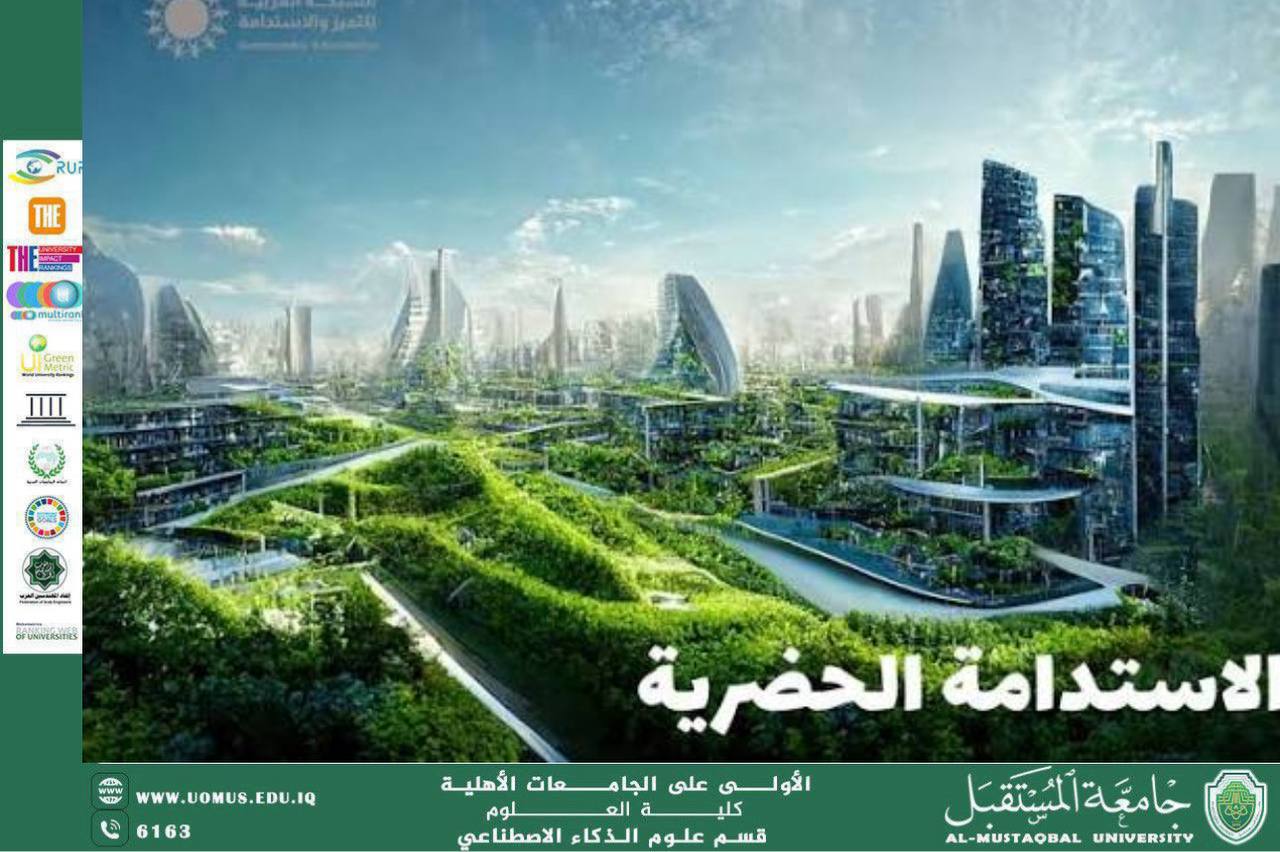
In the modern era, smart cities have become one of the most important urban models that countries aim to develop to address the growing challenges resulting from population growth, urban expansion, increased resource consumption, and environmental degradation. Smart cities are defined as cities that rely on modern technology, digital systems, and intelligent data to improve the quality of life, enhance service efficiency, and achieve more effective resource management. When these cities are linked to the concept of sustainability, they transform into integrated urban environments that combine technological advancement with environmental preservation and social equity.
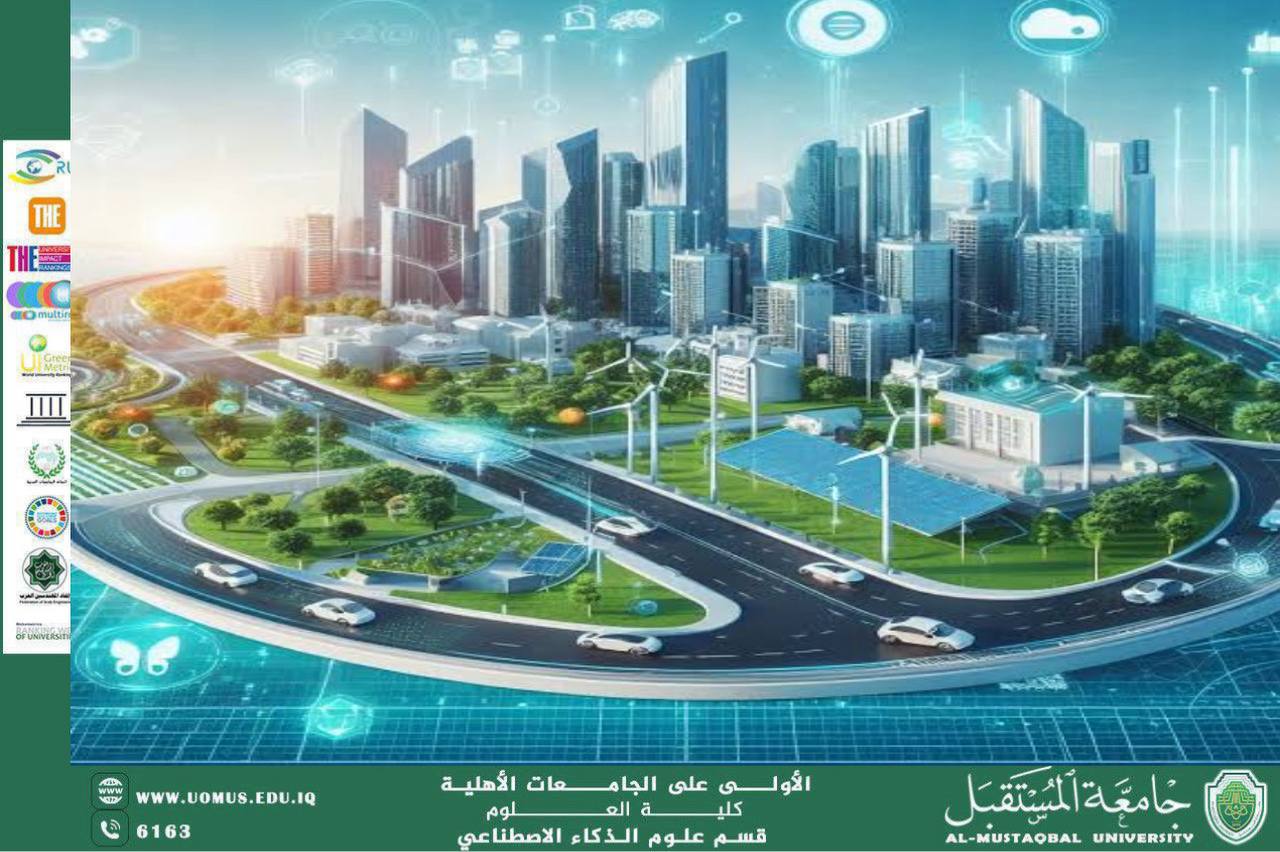
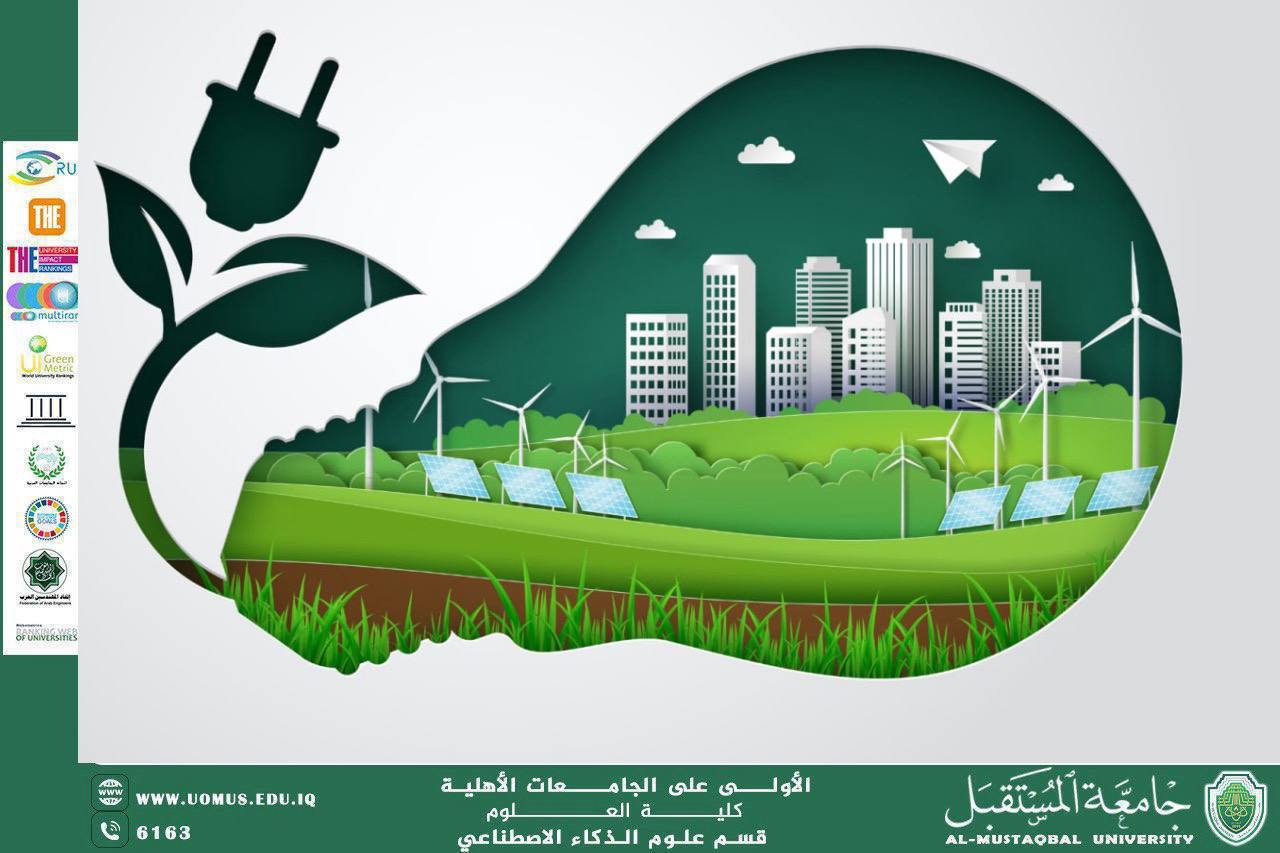
Sustainability in smart cities means managing natural and human resources in a way that meets present needs without compromising the ability of future generations to meet their own. This concept is reflected in the use of intelligent systems in energy, transportation, water, waste management, and urban planning. For instance, some smart cities employ smart electricity grids that monitor consumption and reduce waste, and utilize solar and wind energy technologies to reduce dependence on conventional polluting sources. This helps lower carbon emissions and improve air quality.
Another key aspect of sustainability in smart cities is the development of intelligent transportation systems that reduce traffic congestion, lower fuel consumption, and limit pollution. This includes the use of electric buses, promoting public transportation, building bike lanes, and implementing traffic systems based on real-time data analysis. Smart buildings also play a central role in this model, as they are designed to save energy and water through sensors and intelligent control systems for lighting, air conditioning, and ventilation.
Sustainability in smart cities is not limited to environmental aspects; it also encompasses social and economic dimensions. A sustainable smart city should provide advanced healthcare and education services, green spaces, job opportunities, and safe, modern infrastructure for all residents. Additionally, the use of technology in government services, such as electronic payments, smart monitoring, and digital services, helps facilitate citizens’ lives while improving transparency and efficiency. Therefore, a smart city is not merely a city filled with modern devices—it is an integrated model aimed at comprehensively enhancing urban life.
However, achieving sustainability in smart cities faces several challenges, including high infrastructure costs, the need for advanced technical expertise, and the necessity for clear regulations governing technology use and privacy protection. The success of this model also requires active participation from residents themselves, as sustainability cannot be achieved through technology alone; it also requires community awareness and responsible resource usage.
Transitioning to sustainable smart cities represents an important step toward a more balanced and resilient urban future. With increasing environmental and economic pressures on traditional cities, it has become essential to rethink the way cities are built and managed. By integrating technology with sustainable urban planning, it is possible to create an integrated urban environment that reduces pollution, improves services, provides a safer and more comfortable life for residents, and ensures resource sustainability for future generations.