Digital Transformation in the Healthcare Sector of Information Technology (Programmer Huda Khudair Hani)
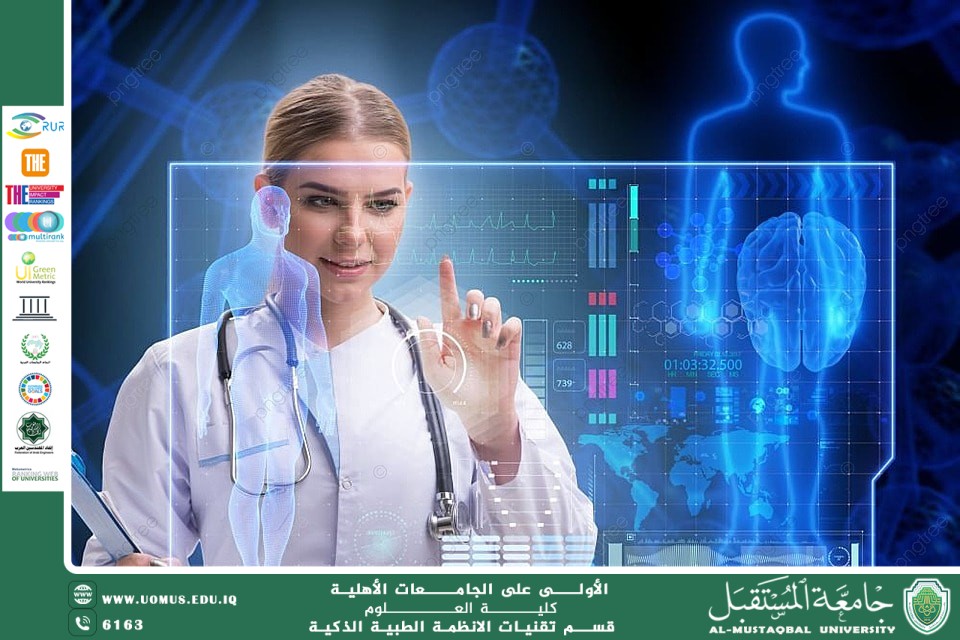
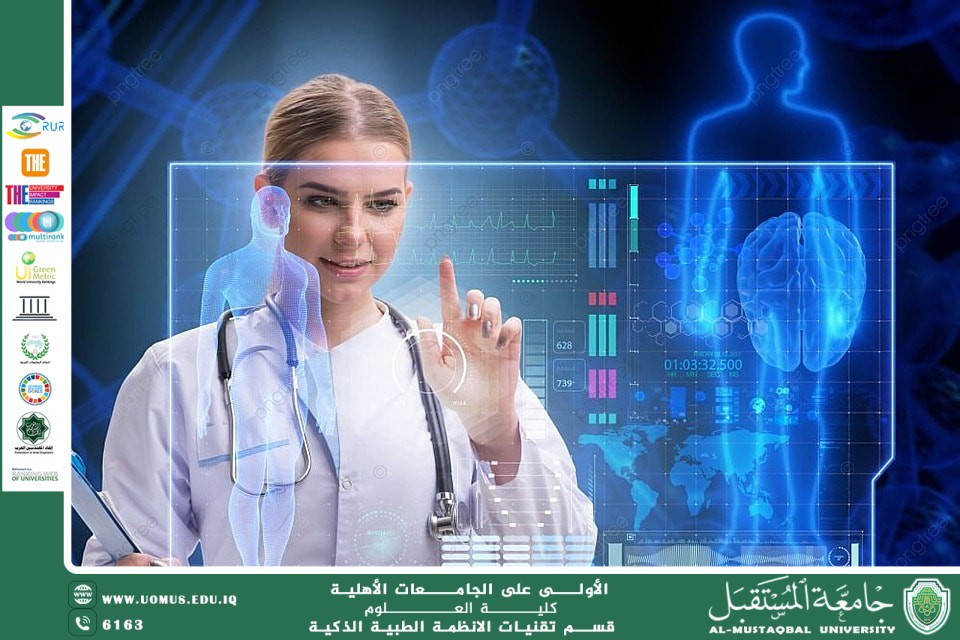
The healthcare sector is undergoing rapid digital transformation driven by significant advancements in information technology. Healthcare institutions increasingly rely on digital systems to enhance the quality of medical services and improve operational efficiency. Healthcare delivery is no longer limited to traditional methods but is now supported by integrated digital infrastructures that enable accurate and fast management of medical data, ultimately improving patient experience and supporting clinical decision-making.
Information technology plays a central role in this transformation by providing advanced systems such as electronic health records, which allow for efficient storage and retrieval of patient data, reducing medical errors caused by missing or poorly documented information. Health information management systems also contribute to organizing operations within healthcare institutions, from patient registration to diagnosis, treatment, and follow-up, thereby improving coordination across departments.
Modern technologies such as cloud computing have also brought a significant shift in how healthcare data is managed, enabling the storage of large volumes of information and secure access from anywhere. This advancement has strengthened collaboration between healthcare institutions and allowed physicians to share medical information more efficiently, leading to improved diagnostic accuracy and faster treatment delivery.
Furthermore, digital transformation has enabled the expansion of telemedicine services, allowing patients to communicate with healthcare providers and receive medical consultations without the need for physical visits. The importance of these services has become particularly evident during emergencies and health crises, where they help reduce pressure on healthcare facilities and ensure continuity of care.
Despite its numerous benefits, digital transformation presents several challenges, including the need to secure sensitive health data against cyber threats and to train healthcare professionals to effectively use modern systems. Additionally, the high cost of adopting digital technologies may pose a barrier for some institutions, particularly in developing countries.
Digital transformation in the healthcare sector represents a crucial step toward building a more efficient and sustainable healthcare system. Information technology contributes to improving service quality, reducing errors, and enhancing responsiveness to medical conditions. As technological advancements continue, the healthcare sector is expected to witness further innovations that will fundamentally reshape the delivery of healthcare and open new horizons for the future of digital medicine.
Al-Mustaqbal University is the first one university in Iraq.