

Scientific Essay Sensorimotor Integration and Feedback
Sensorimotor integration is a fundamental process through which the nervous system transforms sensory input into coordinated motor output. Rather than a simple linear pathway, it is a dynamic and adaptive system that continuously refines movement through feedback mechanisms. This integration allows humans to interact effectively with their environment, maintain posture, and perform precise voluntary actions.
Introduction
The human nervous system constantly receives sensory information from both the external environment and internal body states. This information is processed and integrated in the central nervous system (CNS) to generate appropriate motor responses. The concept of sensorimotor integration highlights how perception and action are tightly linked, forming a continuous loop of input, processing, and output.
Sensory Inputs in Motor Control
Effective motor control depends on multiple sensory modalities:
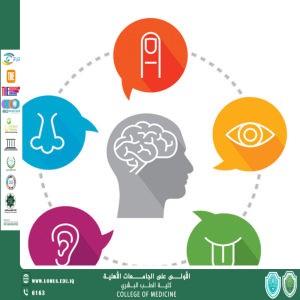
• Somatosensory input: Includes touch, pressure, and proprioception. Proprioceptors such as muscle spindles and Golgi tendon organs provide real-time data about muscle length and tension.
• Visual input: Essential for guiding movement, spatial orientation, and coordination.
• Vestibular input: Provides information about head position and motion, critical for balance and posture.
These sensory signals are transmitted to higher brain centers, where they are integrated and interpreted.
Neural Basis of Sensorimotor Integration
Several key brain structures are involved:
• Motor cortex: Initiates voluntary movements.
• Somatosensory cortex: Processes sensory information from the body.
• Cerebellum: Plays a central role in coordination, timing, and error correction.
• Basal ganglia: Involved in movement initiation and regulation.
The cerebellum, in particular, compares intended movement with actual performance and adjusts motor output accordingly, ensuring smooth and accurate execution.
Feedback Mechanisms
Feedback is essential for refining motor actions and minimizing errors. It refers to the process by which sensory information is used to adjust ongoing or future movements.
1. Negative Feedback
Negative feedback stabilizes the system by correcting deviations from the desired movement.
Example: When reaching for an object, sensory input helps adjust hand position if the movement is inaccurate.
2. Positive Feedback
Positive feedback amplifies a response, although it is less common in motor control.
Example: Increasing muscle activation during rapid or forceful movements.
Feedforward vs Feedback Control
Feedforward Control
• Predictive and pre-programmed
• Does not rely on immediate sensory input
• Important for rapid movements
Feedback Control
• Depends on continuous sensory input
• Allows real-time correction
• More accurate but slower
In practice, both systems work together to optimize motor performance.
Clinical Significance
Disruption in sensorimotor integration can lead to significant neurological deficits:
• Stroke: Impairs coordination between sensory input and motor output
• Parkinson’s disease: Affects movement initiation due to basal ganglia dysfunction
• Cerebellar lesions: Cause ataxia, tremor, and poor coordination
• Spinal cord injuries: Interrupt feedback pathways
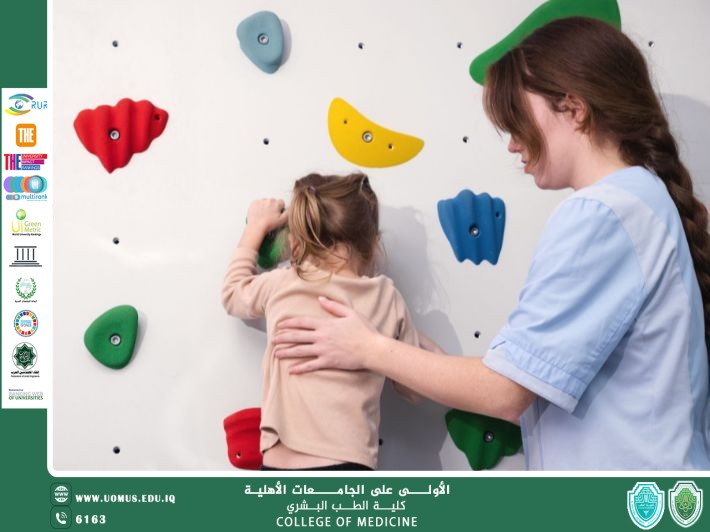
Understanding these mechanisms is essential in neurorehabilitation, where therapies aim to restore functional movement through retraining neural circuits.
Recent Advances (2023–2025)
Recent research emphasizes:
• Neuroplasticity as a key mechanism for recovery after injury
• Use of virtual reality (VR) to enhance sensory feedback in rehabilitation
• Application of artificial intelligence in motion analysis
• Development of brain–computer interfaces (BCIs) to restore motor function
These innovations are transforming clinical approaches to motor recovery.
Conclusion
Sensorimotor integration is a complex, adaptive process that underlies all voluntary movement. Feedback mechanisms play a crucial role in ensuring accuracy and coordination by continuously adjusting motor output. Advances in neuroscience and technology are providing new insights and therapeutic strategies, making this field increasingly important in both research and clinical practice.