

Enzymes Used in Phytoremediation and Their Role in Environmental Protection
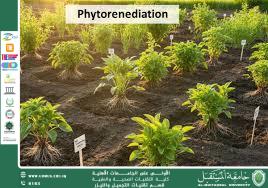
Phytoremediation is an eco-friendly technology that utilizes plants to remove pollutants from soil, water, and air. Enzymes play a crucial role in this process by catalyzing the breakdown and transformation of toxic compounds into less harmful or non-toxic substances.
Key Enzymes in Phytoremediation
Peroxidase:
This enzyme catalyzes the oxidation of toxic organic compounds such as phenols, converting them into less harmful substances.
Laccase:
A powerful oxidizing enzyme involved in the degradation of complex organic pollutants like industrial dyes and aromatic compounds.
Cytochrome P450:
Plays a major role in metabolizing toxic substances within plants and converting them into soluble compounds.
Nitrogenase:
Essential for nitrogen fixation, improving soil fertility and enhancing plant tolerance to pollutants.
Dehydrogenase:
Indicates microbial activity in soil and contributes to the breakdown of organic matter.
Mechanism of Enzyme Action
Enzymes function by accelerating biochemical reactions within plant tissues or in the rhizosphere. Their roles include:
Degradation of organic pollutants
Transformation of heavy metals into less toxic forms
Enhancement of microbial activity
Importance of Enzymes in Phytoremediation
Sustainable reduction of environmental pollution
Improvement of soil and water quality
Cost-effective compared to conven Environmentally friendly
Challenges
Slower process compared to physical or chemical methods
Enzyme activity affected by environmental conditions
Limited plant species suitable for high contamination levels
Conclusion
Enzymes are essential components in phytoremediation, enabling the detoxification of pollutants and supporting sustainable environmental management.
Prepared by: Shahad Nawras Abbas
AL_mustaqbal University is the first university in Iraq