Comparison Between Conventional and Digital Impressions in Dentistry
Dental impressions are a fundamental step in many dental procedures, including fixed and removable prosthodontics, orthodontics, and implant dentistry. For decades, conventional impression techniques using materials such as alginate and silicone have been the standard. However, technological advancements have introduced digital impressions, creating a significant shift in clinical practice.
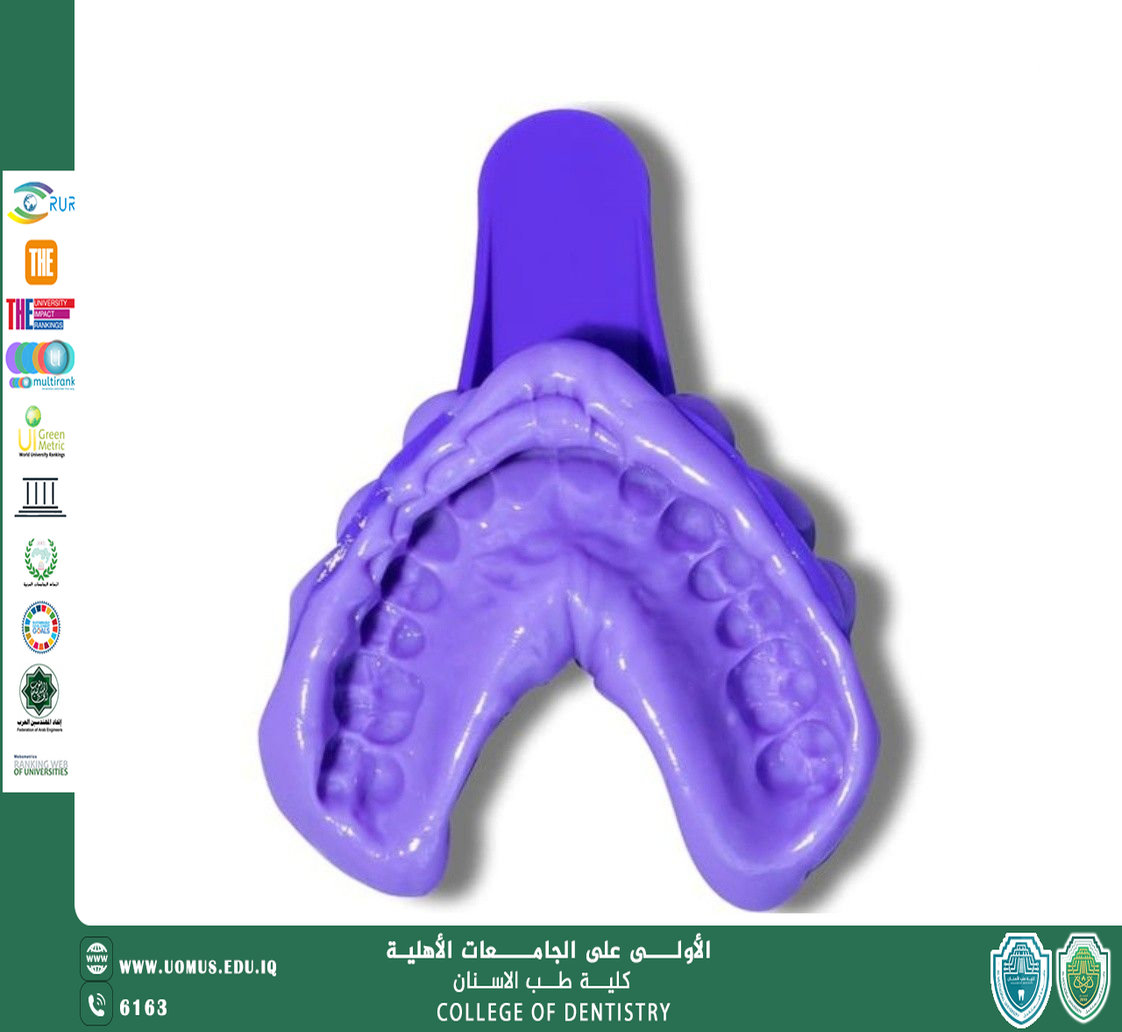
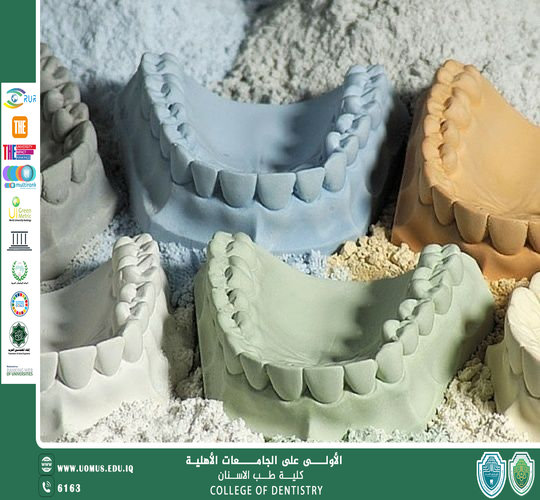
Conventional impressions involve placing a flexible material in the patient’s mouth to capture a negative replica of the teeth and surrounding tissues, which is later cast into a physical model. While generally accurate, this method is sensitive to several variables, including operator skill, patient cooperation, and potential distortion during material handling or casting. Additionally, some patients experience discomfort or gag reflex during the procedure.
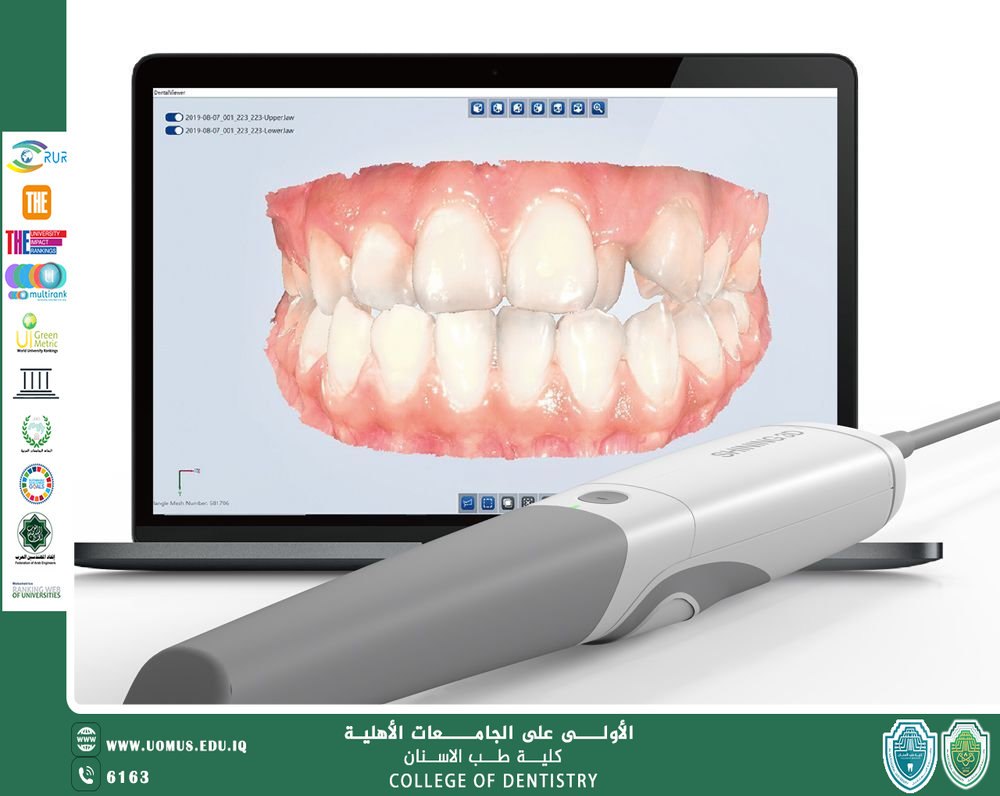
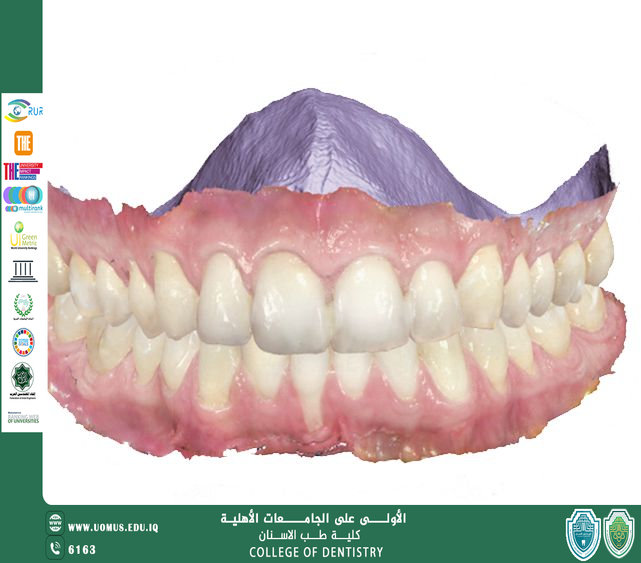
Digital impressions, on the other hand, utilize intraoral scanners to capture three-dimensional images directly from the oral cavity. This technology offers high precision and allows immediate correction by rescanning areas with incomplete data, thereby reducing errors and improving overall quality.
From a patient comfort perspective, digital impressions are more favorable, as they eliminate the need for impression materials and reduce procedural time. They also enable instant data transfer to dental laboratories, accelerating fabrication processes and enhancing workflow efficiency.
Despite these advantages, digital systems require significant initial investment and proper training. Furthermore, certain complex clinical situations may still benefit from conventional techniques.
Ultimately, digital impressions should not be viewed as a complete replacement but as an advanced complement to traditional methods. The choice between the two depends on clinical requirements, practitioner expertise, and available resources, with the shared goal of achieving optimal accuracy and treatment outcomes.