
Scientific Article by Ms. Noor Al-Huda Azmi:Environmental Sustainability Amid Biological Challenges
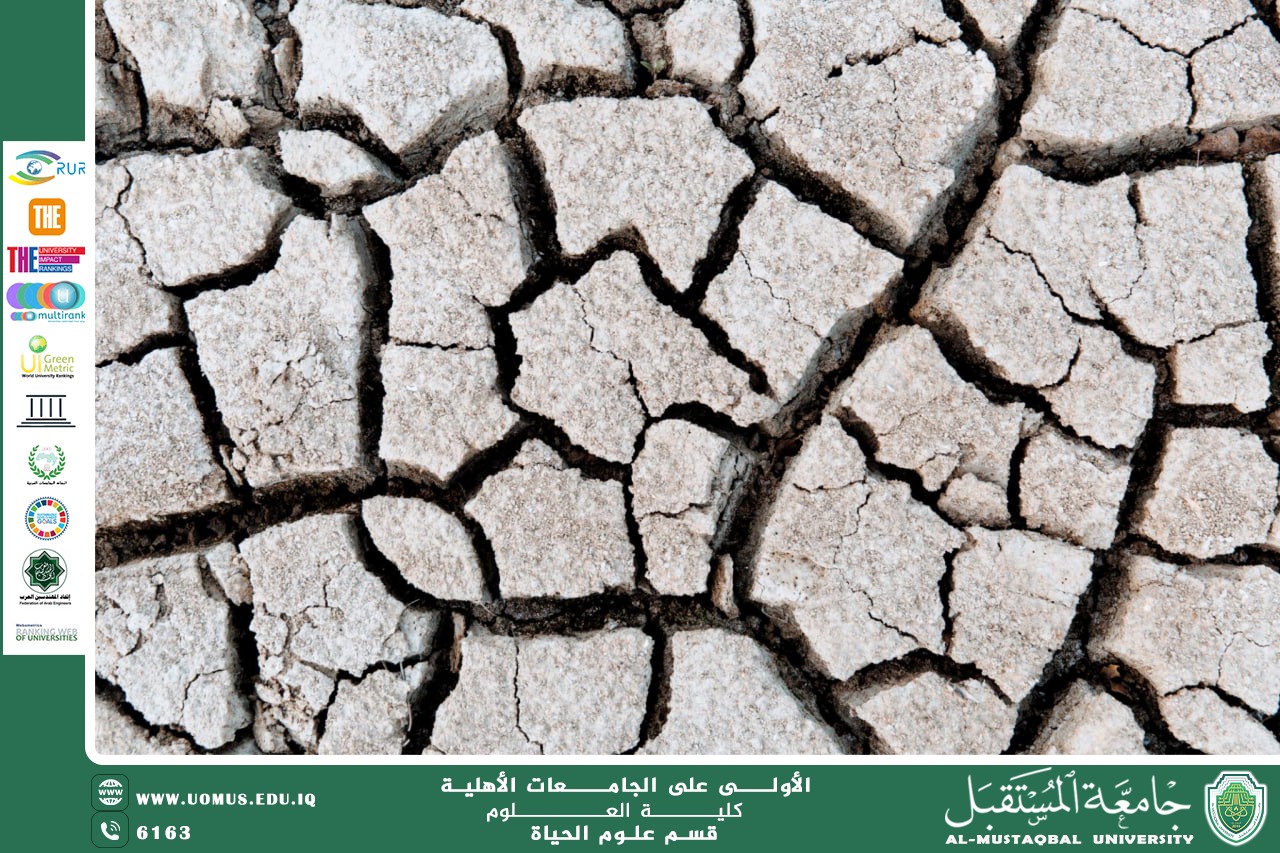
Environmental sustainability is considered one of the most prominent global issues receiving increasing attention in light of contemporary biological challenges. The world is witnessing rapid environmental changes that threaten the stability and natural balance of ecosystems. Among these challenges are climate change, loss of biodiversity, various forms of pollution, and the excessive depletion of natural resources, all of which necessitate the adoption of effective strategies to protect the environment.
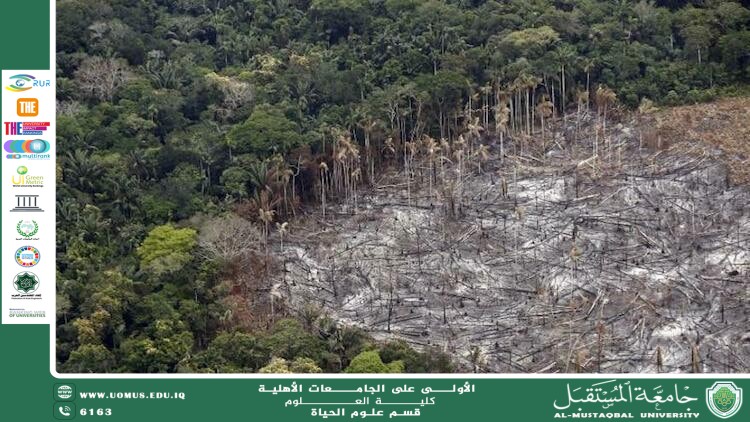
Climate change, resulting from increased greenhouse gas emissions, directly affects living organisms by altering their geographic distribution patterns and leading to the extinction of species that cannot adapt to new conditions. Human activities, such as deforestation and urban expansion, also contribute to the destruction of natural habitats, causing ecological imbalance.
In this context, environmental pollution is one of the most significant biological challenges, as air, water, and soil pollution negatively impact human health and other living organisms. Toxic chemicals and industrial waste lead to the accumulation of harmful substances within food chains, posing serious risks to biological life.
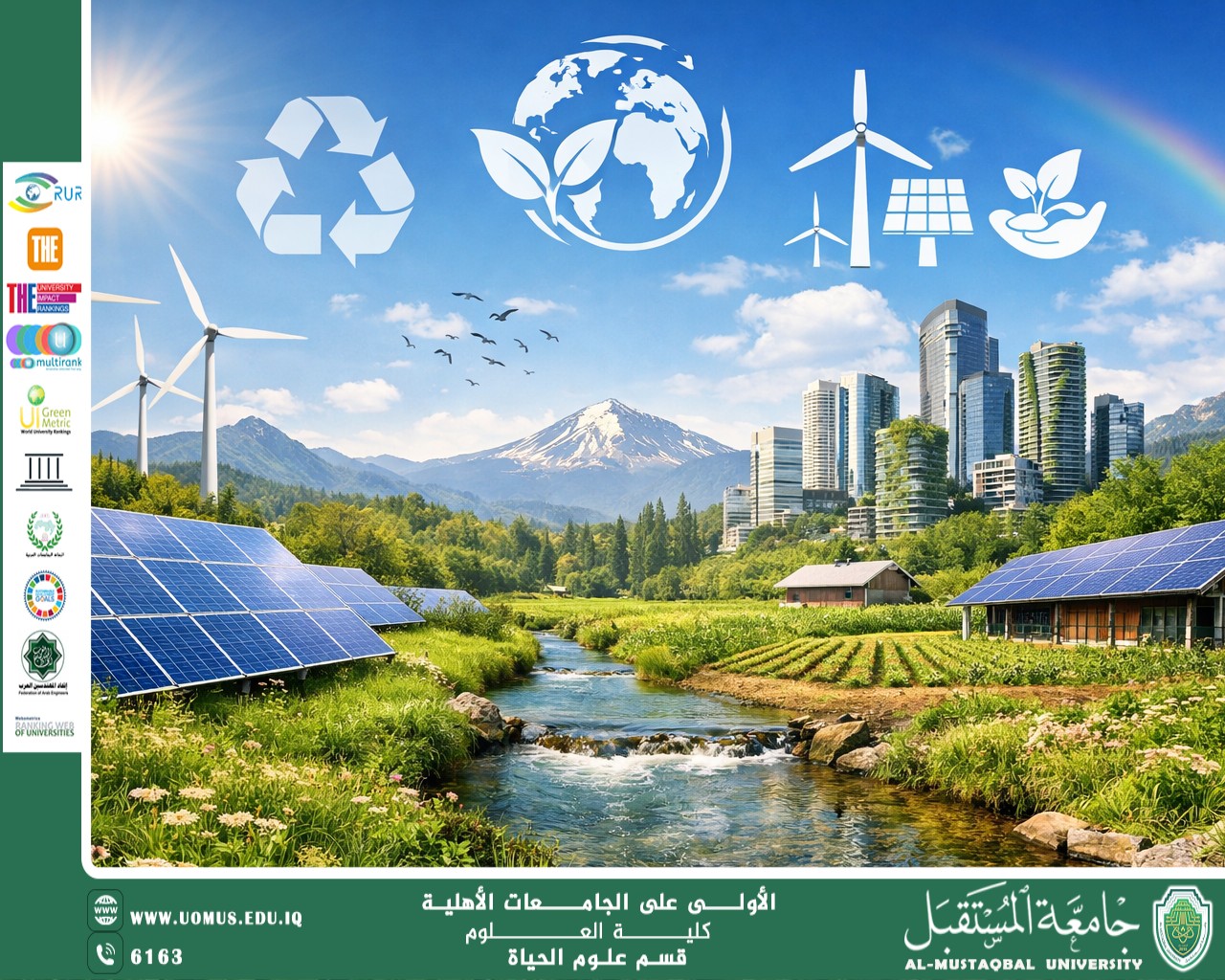
To address these challenges, the importance of applying the concept of environmental sustainability becomes evident. This concept is based on the rational use of natural resources without compromising the rights of future generations. Achieving this requires the adoption of environmentally friendly technologies, such as renewable energy, recycling, and sustainable agriculture.
Environmental awareness also plays a crucial role in promoting positive behaviors among individuals and communities by fostering a culture of environmental conservation and reducing unnecessary consumption. Educational institutions are among the most important contributors to instilling these values in students.
Furthermore, scientific research in the field of life sciences contributes to finding innovative solutions to environmental challenges, such as developing drought-resistant crops and using microorganisms in pollution treatment, known as biotechnology.
Environmental sustainability cannot be achieved without the presence of laws and regulations that oblige individuals and institutions to protect the environment, along with international cooperation to address transboundary environmental issues.
In conclusion, environmental sustainability is an urgent necessity to ensure the continuation of life on Earth in the face of increasing biological challenges. This requires collective efforts from governments, institutions, and individuals to achieve a healthy and sustainable environment.