Gene Expression in Keratinocytes: How the Environment Shapes Our Skin Aging
Introduction
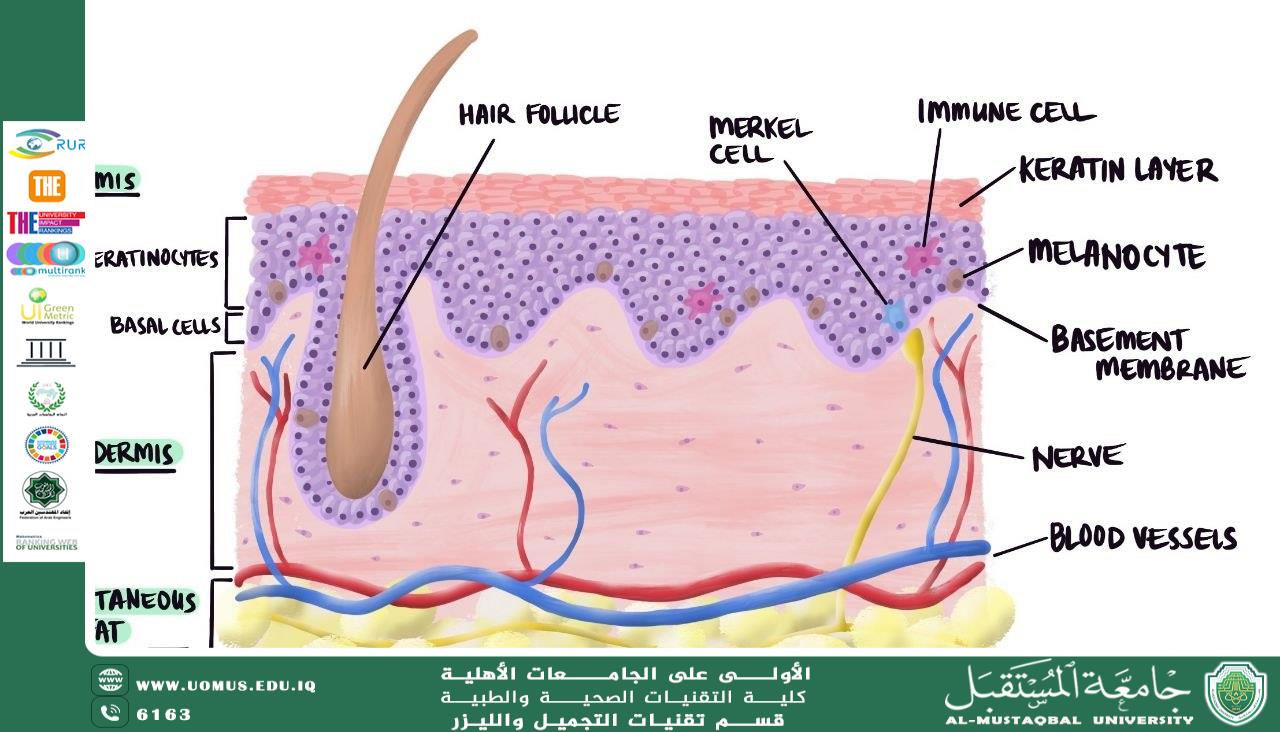
The skin is considered the body’s first line of defense, and keratinocytes play a central role in this system as they form the primary structure of the outer layer. In modern biology, these cells are no longer viewed as static units, but rather as complex biological sensors that respond to environmental stimuli through the process of gene expression. Understanding how genetic information in DNA is translated into functional proteins—and how this process is influenced by environmental factors—is key to understanding the phenomenon of skin aging and how to mitigate its molecular effects.
Gene Expression Mechanism in the Cellular Environment
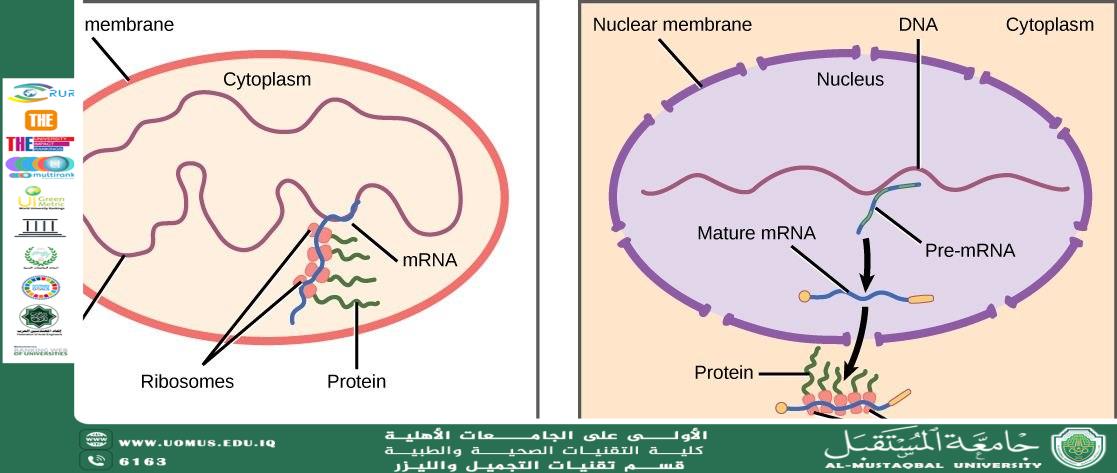
This process begins within the nucleus of keratinocytes, where genetic codes are transcribed to produce essential proteins such as keratin and filaggrin. Environmental factors do not necessarily alter the DNA sequence itself, but they affect the “switches” that turn genes on and off, a concept known as epigenetics. This interaction determines the skin’s ability to regenerate or the speed at which it enters the aging phase.
Environmental Factors Driving Aging (The Exposome)
Genes within cells are constantly exposed to stressors that disrupt their normal expression:
Ultraviolet (UV) Radiation: Stimulates certain genes to produce matrix metalloproteinases (MMPs), which break down the collagen network that supports the skin.
Oxidative Stress: Free radicals generated by pollution damage chemical bonds in genetic material, forcing cells to activate “cellular senescence” genes that halt cell division.
Skin Microbiome: Microorganisms on the skin surface influence immune gene expression; a balanced microbiome helps maintain the activation of repair-related genes.
Molecular Effects of Skin Aging
When gene expression is disrupted by external factors, the effects appear both experimentally and clinically:
Weakened Skin Barrier: Reduced expression of genes responsible for producing lipids and structural proteins leads to dryness and sensitivity.
Inflammaging: Persistent activation of inflammation-related genes accelerates tissue sagging and loss of vitality.
Conclusion
In conclusion, skin aging is not merely a chronological process but the result of a complex biological interaction between genetic material and environmental factors. The remarkable ability of keratinocytes to modulate gene expression opens new horizons in life sciences and biotechnology for developing treatments aimed at reprogramming these cells. By maintaining environmental and microbial balance, gene expression can be directed toward repair and regeneration pathways, ultimately enhancing the health and sustainability of this vital organ.
Prepared by: Assistant Lecturer Sajaa Falah Hassan
AL_mustaqbal University is the first university in Iraq