

The Evolution of Computing Technologies and Their Profound Impact on the Digital Society
M.Sc. Haydar Abdul Karim Majid
The world of computing has witnessed unprecedented development in recent decades, as computing has evolved from large, complex machines requiring vast spaces to advanced, portable, and compact systems such as personal computers, tablets, and smartphones. This transformation has not been limited to the physical form of devices but has also encompassed computational and storage capabilities, making information and knowledge more accessible and faster for users across various fields.
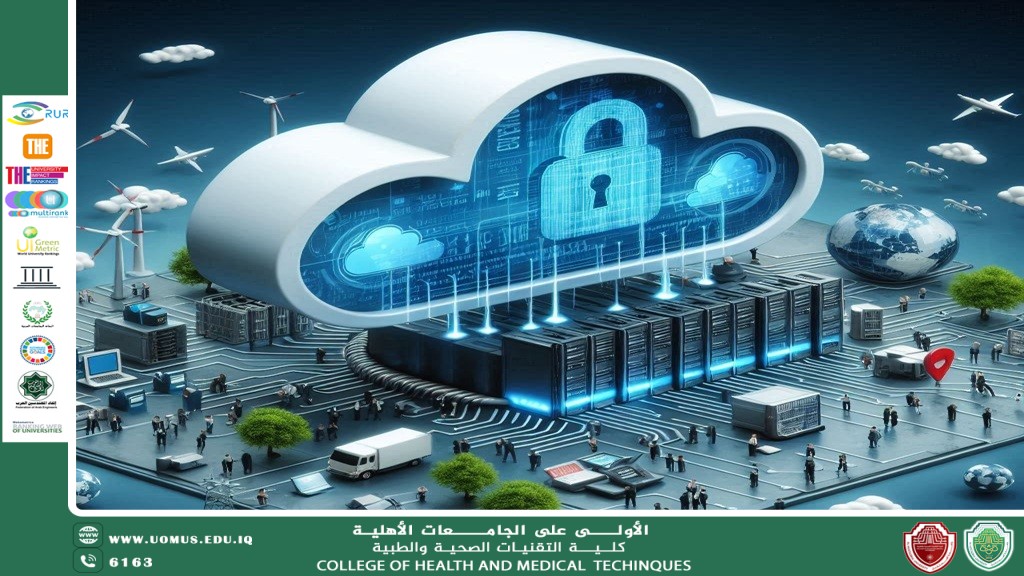
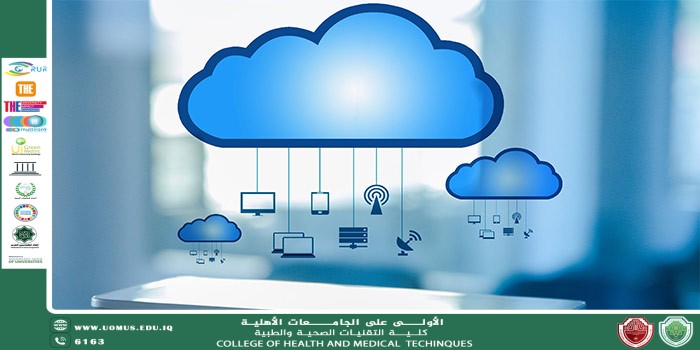
One of the most notable recent advancements is cloud computing, which allows for data storage and application operation over the Internet without the need for massive physical equipment. Cloud computing has not only provided great flexibility in data storage but has also helped organizations improve operational efficiency and reduce costs, while enabling individuals to access their files and projects from anywhere in the world. This technology has become a fundamental component in the educational, medical, and commercial sectors, supporting remote work and facilitating collaboration among teams in multiple locations.
Computing has also driven the advancement of artificial intelligence (AI) and machine learning, as modern computers can process and analyze massive amounts of data with precision, enabling them to provide intelligent solutions and make complex decisions. For instance, AI is used in developing medical diagnostics, analyzing financial markets, enhancing customer experiences in commercial institutions, and even in the development of self-driving cars. These technologies open new horizons for researchers and developers to deliver innovative and effective solutions to complex problems facing modern societies.
In addition, computing technologies have contributed to the growth of the Internet of Things (IoT), where smart devices communicate with each other through networks, making our homes and workplaces smarter and more efficient. Through advanced sensors, it is possible to control energy consumption, improve security, and monitor industrial operations in real time, which enhances productivity and reduces waste.
However, these significant developments are not without challenges, particularly in cybersecurity and personal data protection. With increasing reliance on computers and smart applications, maintaining privacy and safeguarding sensitive information has become a critical necessity. Cyberattacks, data breaches, and malware have become real threats to individuals and organizations, necessitating the development of advanced security systems and educating users on best digital practices.
On the social level, computing has brought significant changes to lifestyles and work patterns. Remote learning, working from anywhere, and faster communication with people around the world have become possible. This change enhances educational opportunities and allows individuals greater access to knowledge, but it also presents challenges related to digital addiction, loss of work-life balance, and the need for continuous development of digital skills to keep pace with rapid technological advancement.
In conclusion, it is clear that computing is no longer merely a supportive tool but has become the cornerstone of building the modern digital society. Advanced computing technologies offer tremendous opportunities for innovation and development across various fields, from education and medicine to industry and commerce, while also presenting new challenges and responsibilities regarding security, privacy, and the responsible use of technology. Understanding these technologies and leveraging them wisely will be key to building a prosperous and sustainable digital future that fosters creativity and supports human progress in all aspects of life.