

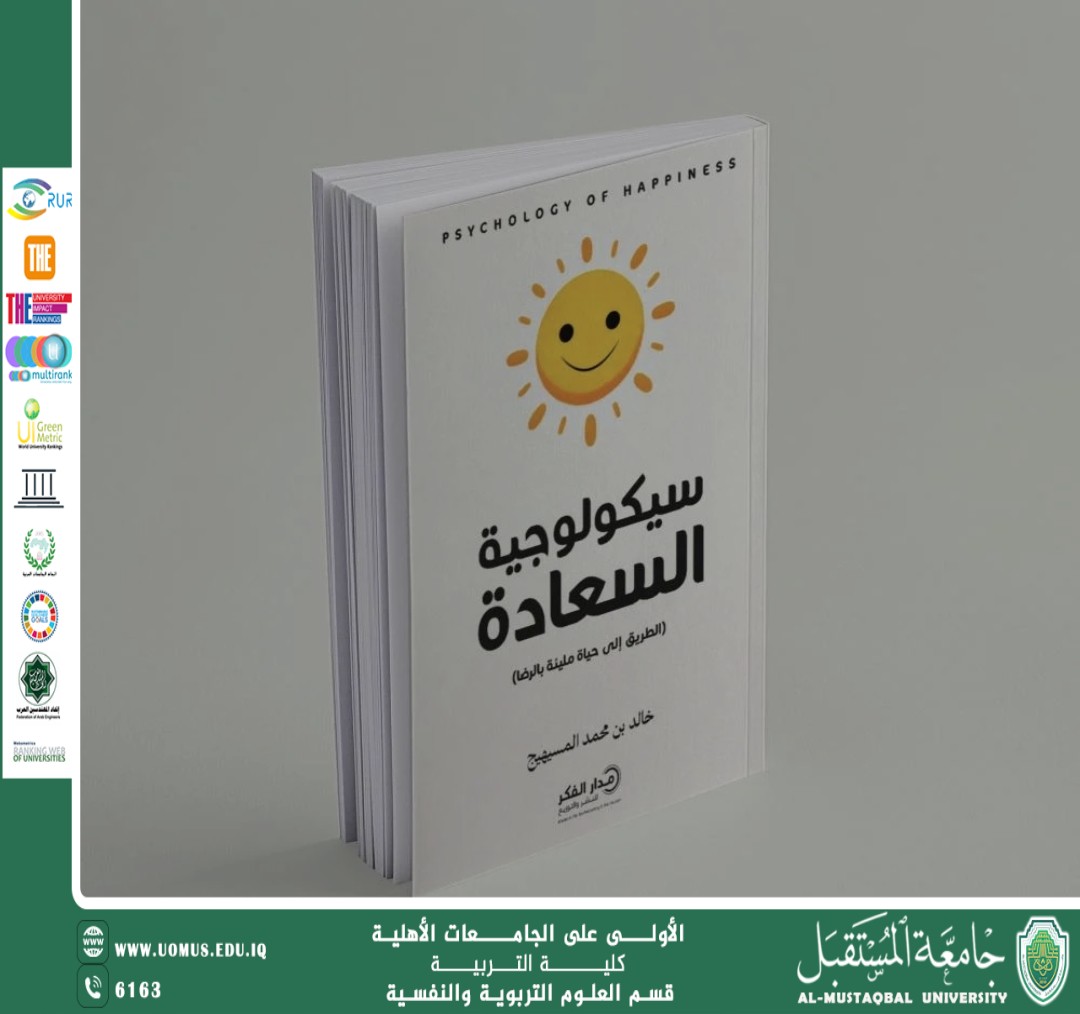

The Psychology of Happiness: Why Do We Seek It and How Do We Create It?
Happiness is not merely a fleeting emotional state, but a complex psychological and social phenomenon that forms a fundamental aspect of human life. We seek it because it gives us meaning and inner peace, and helps us cope with the pressures of daily life. From a psychological perspective, happiness is linked to biological mechanisms in the brain, such as the release of dopamine and serotonin, but it also transcends the chemical aspect to encompass human relationships, personal achievements, and the search for a deeper meaning in existence. In this sense, happiness is not a final destination we reach once, but rather an ongoing journey that requires awareness and daily practice.
People create their own happiness through a set of simple yet effective practices. Positive thinking, for example, helps reframe negative events in a way that reduces their psychological impact, while gratitude enhances contentment by focusing on what we have instead of dwelling on what we lack. Strong social relationships provide a source of support and belonging, giving us a sense of security and increasing our ability to face challenges. Similarly, achievement and working towards personal goals, no matter how small, add value and meaning to life and boost self-confidence. The role of physical health cannot be overlooked, as exercise, sufficient sleep, and a healthy diet directly contribute to mood stability and increased energy levels. In addition, many people find happiness in spirituality or meditation, which grants them inner peace and a sense of connection to something greater than themselves. Engaging in charitable work or helping others also creates a profound sense of satisfaction, because happiness, in its essence, is not merely individual but also social, nourished by giving and connecting. However, happiness faces challenges in our contemporary world, such as consumer culture that links it to money and appearances, the constant comparisons fueled by social media, and economic and political pressures that make achieving it more difficult in some societies. Despite these obstacles, the pursuit of happiness remains possible through small, recurring steps, beginning with self-awareness and understanding one's needs, and extending to building healthy relationships and engaging in activities that achieve balance between mind and body.
Happiness is not a destination we reach, but rather a daily practice and an internal decision. It is the product of the interaction between what we think, what we do, what we love, and what we believe. The more a person understands that happiness is created from within rather than given from without, the more capable they become of living a life full of contentment and meaning. The search for happiness is, in reality, a search for balance. No one is satisfied with mere momentary pleasure; rather, they strive for a state of harmony between their inner self and their external circumstances. Therefore, we find that happiness is linked to the ability to think positively and to reframe negative events in a way that minimizes their psychological impact. However, happiness is not merely an internal balance; it is also a social and spiritual experience. Many people find happiness in spirituality or meditation, which grants them inner peace and a sense of connection to a meaning greater than themselves. Engaging in acts of kindness or helping others creates a profound sense of satisfaction because happiness, in its essence, is not only individual but also social, nourished by giving and connecting. Nevertheless, happiness faces challenges in our contemporary world, such as consumer culture that links it to money and appearances, the constant comparisons fueled by social media, and the economic and political pressures that make achieving it more difficult in some societies. However, the pursuit of happiness remains possible through small, repetitive steps that begin with self-awareness and understanding one's needs, and extend to building healthy relationships and engaging in activities that achieve balance between mind and body.
Happiness, in this sense, is not merely a feeling of joy, but a state of inner contentment and harmony with oneself and the external world. It is as much an internal decision as it is a result of external circumstances, and it is a daily practice embodied in simple details: a kind word, a moment of gratitude, a small accomplishment, or time spent with loved ones. The more one realizes that happiness is created from within rather than given from without, the more capable one becomes of living a life full of contentment and meaning, even amidst challenges and pressures. It is an endless journey that requires constant awareness, continuous practice, and the belief that happiness is not something we wait for, but something we create with our own hands every day. Make it a priority in your life, and don't wait for ideal circumstances to achieve it. Seek it out in every moment and seize small opportunities to create joy. Happiness is contagious, so spread it around you and share it with those you love.
Al-Mustaqbal University... (The first university in Iraq)