The Role of Radiologic Imaging Techniques in Early Tumor Detection
Dr.Lamees AbdAlRaheem
Introduction
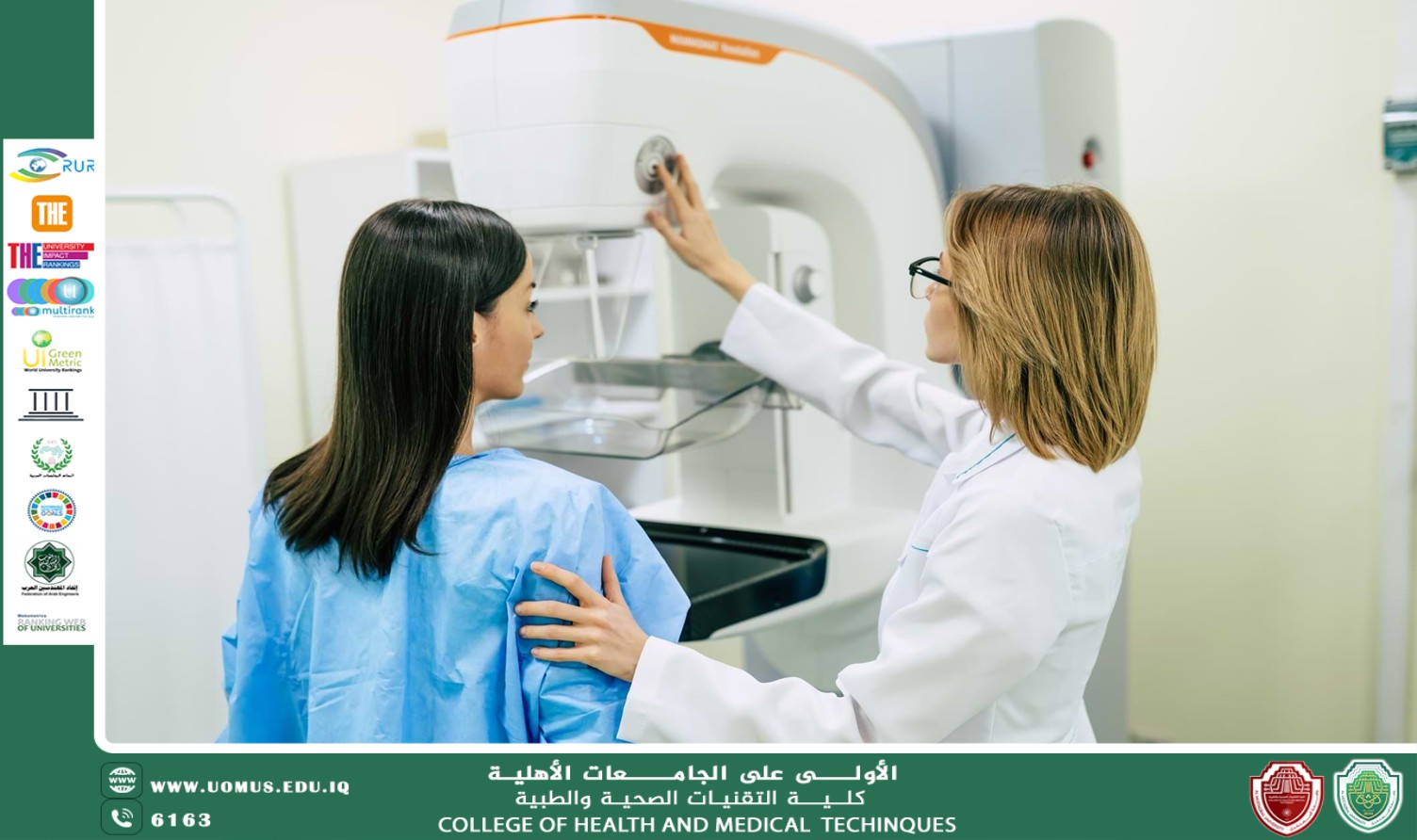
Cancer represents one of the leading global health challenges, with increasing incidence rates worldwide. Early diagnosis plays a critical role in improving treatment outcomes and reducing mortality rates. Radiologic imaging techniques have become essential tools in detecting tumors at early stages by providing detailed anatomical and functional information before clinical symptoms appear.
Importance of Early Tumor Detection
Early detection contributes to:
• Increased survival rates.
• More effective and less invasive treatments.
• Improved patient quality of life.
• Reduced long-term healthcare costs.
Radiologic Imaging Modalities Used in Early Detection
1. X-ray Imaging
X-rays are commonly used for preliminary evaluation, particularly in detecting lung and bone tumors. They are fast, accessible, and cost-effective.
2. Computed Tomography (CT Scan)
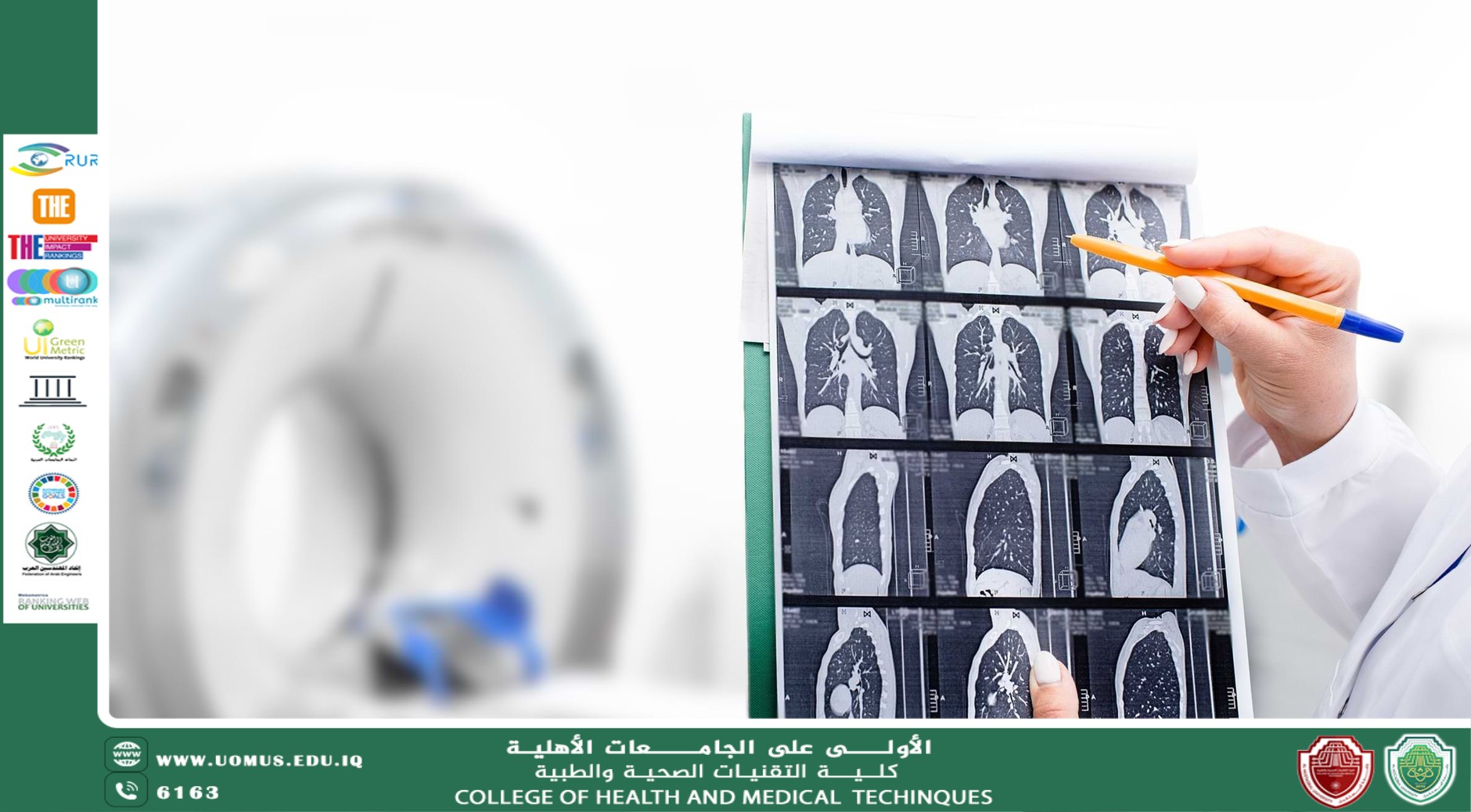
CT imaging provides high-resolution cross-sectional images that help determine tumor size, location, and possible metastasis.
3. Magnetic Resonance Imaging (MRI)
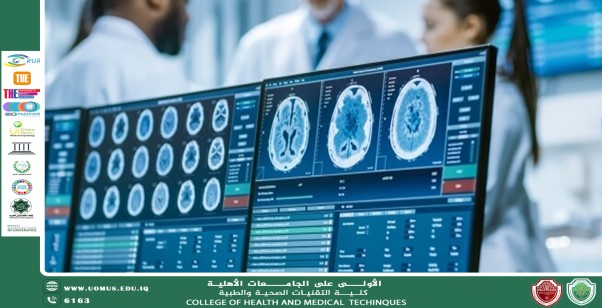
MRI is highly effective for soft tissue evaluation such as brain, breast, and spinal tumors, without using ionizing radiation.
4. Ultrasound Imaging
Ultrasound is widely used for early detection of abdominal, thyroid, and breast tumors due to its safety and real-time imaging capability.
5. Positron Emission Tomography (PET Scan)
PET imaging evaluates metabolic activity of cancer cells, enabling detection of tumors even before structural abnormalities develop.
Role of Radiologic Technologists
Radiologic technologists play a vital role by:
• Preparing patients properly for examinations.
• Selecting appropriate imaging protocols.
• Ensuring optimal image quality.
• Minimizing radiation exposure.
• Collaborating with physicians for accurate diagnosis.
Recent Advances in Radiologic Imaging
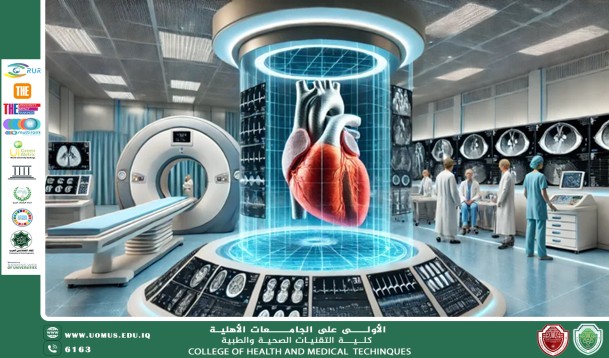
Modern innovations such as artificial intelligence and 3D imaging have improved:
• Detection of small lesions.
• Diagnostic accuracy.
• Image analysis speed.
• Clinical decision support.
Challenges
Despite advancements, challenges remain:
• High cost of advanced imaging equipment.
• Need for continuous professional training.
• Radiation exposure concerns.
• Unequal access to imaging technologies worldwide.
Conclusion
Radiologic imaging techniques are fundamental in early tumor detection and significantly improve treatment outcomes. Continuous technological advancements are expected to further enhance early diagnosis and patient care in oncology.