Dr. Saad Abdulrahim Hussein (hypothetical attribution)
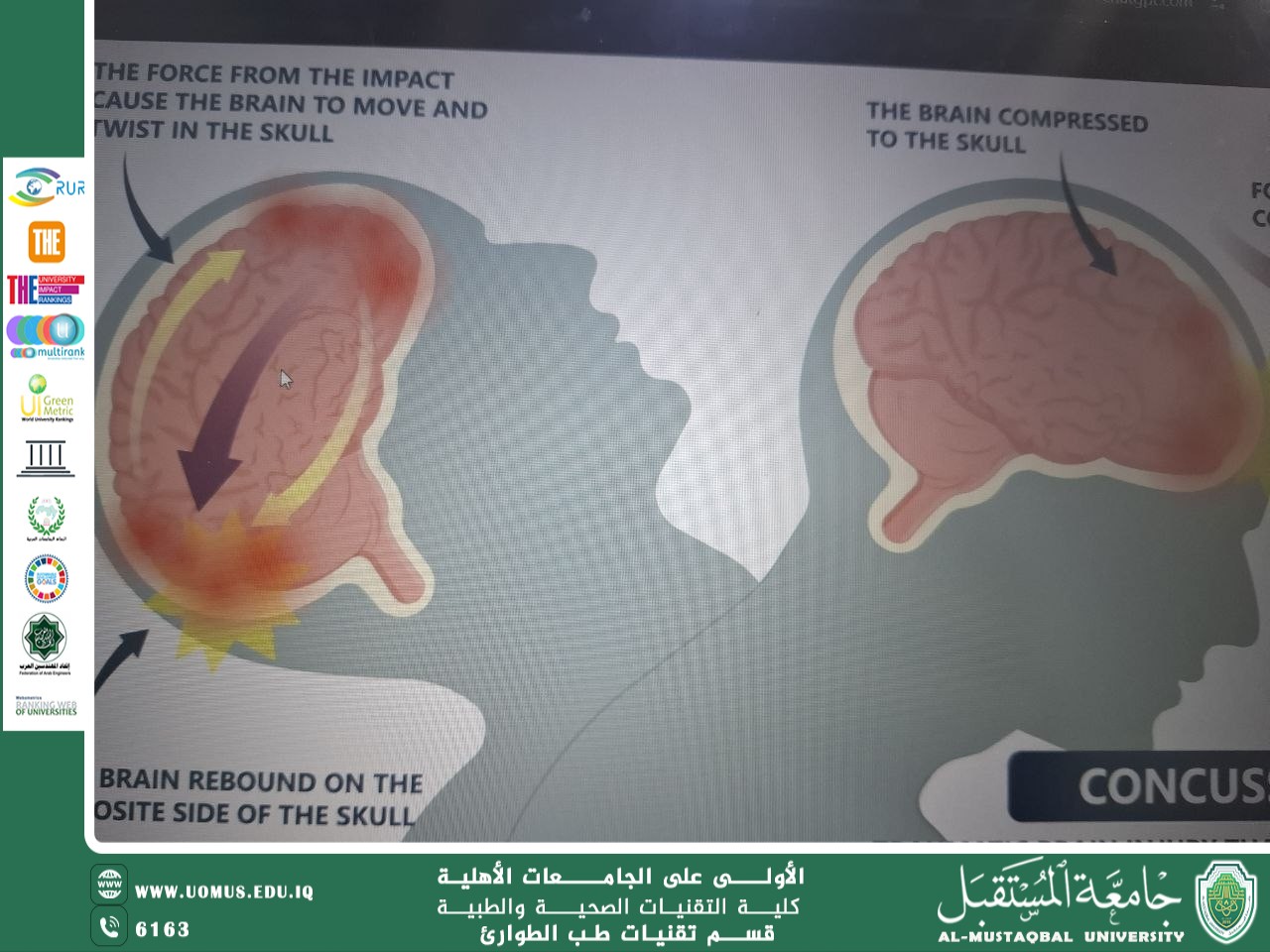
Dr. Saad Abdel Rahim Hussein, Head of the Department of Emergency Medical Technology, organized a scientific article on “Head Injuries.” Head injuries are considered serious medical conditions that can range from minor bruises to life-threatening brain trauma. These injuries occur as a result of direct impact to the head, violent shaking, or penetrating forces, such as traffic accidents, falls, engaging in contact sports, or assaults.
The symptoms of head injuries vary depending on their severity and may include headache, dizziness, nausea, temporary loss of consciousness, blurred vision, difficulty concentrating, or changes in mood and behavior. In severe cases, serious symptoms may appear, such as pupil dilation, seizures, or the discharge of clear fluids from the nose or ears, requiring immediate medical intervention.
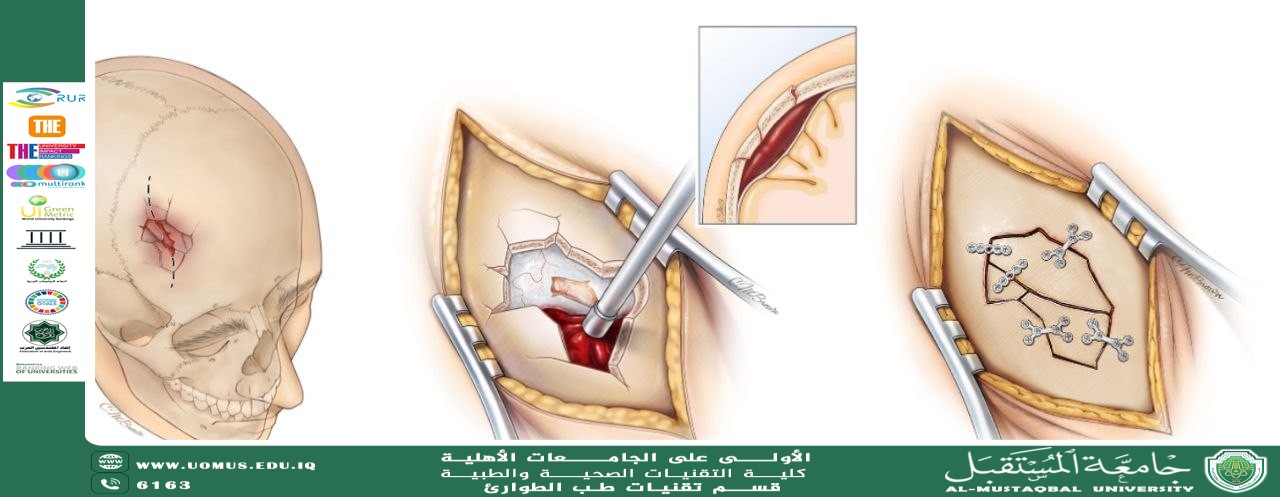
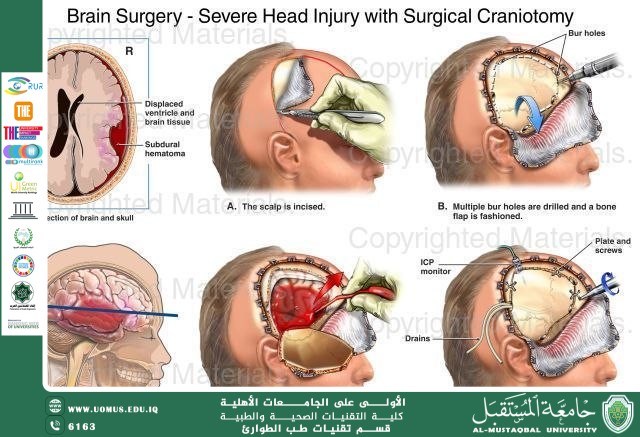
Treatment methods depend on the type and severity of the injury. Mild cases may only require rest and observation, while moderate to severe injuries may require medication to reduce swelling or even surgery to stop bleeding or relieve pressure on the brain.
Prevention remains the best treatment, through wearing protective helmets while cycling or practicing contact sports, using seat belts in cars, and securing homes against fall hazards, especially for children and the elderly. Continuous awareness of the risks of head injuries and how to manage them contributes to reducing long-term complications, such as neurological disorders or permanent disabilities.
ALMustaqbal University
The first university in Iraq.