
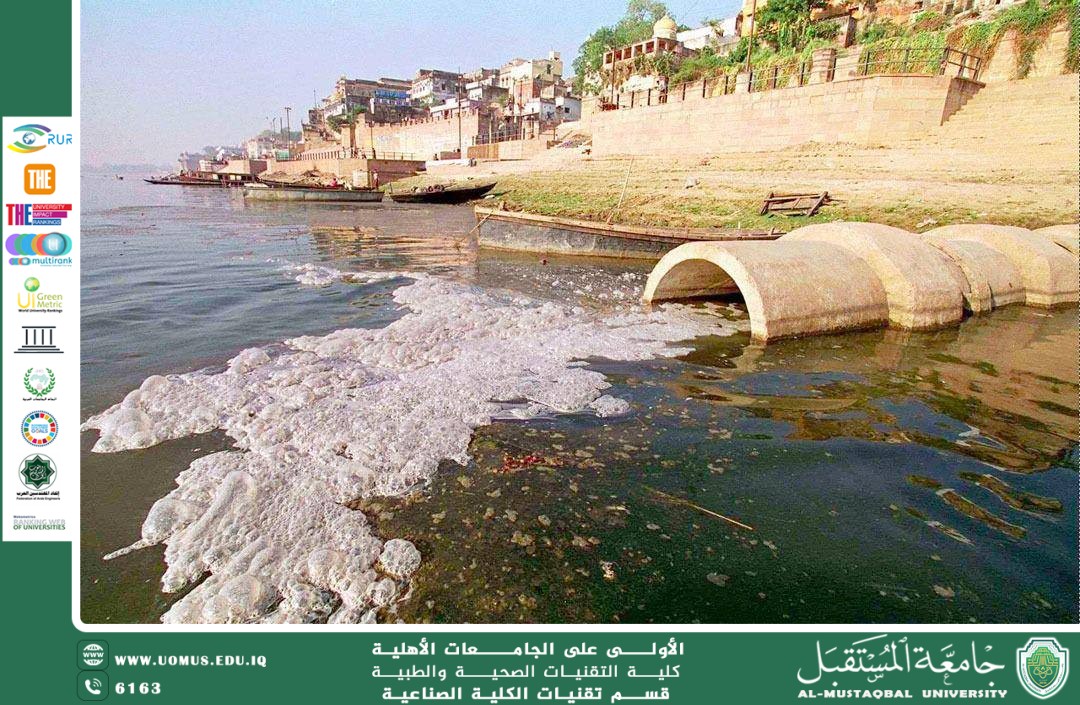
Scientific Article Titled: The Impact of Contaminated Water on Human Kidney Health
Introduction
Water is one of the most essential natural resources for life. The human body depends on it to maintain physiological balance and support the functions of various organs, especially the kidneys, which play a vital role in filtering blood and eliminating toxins. However, water contamination resulting from human activities (industrial, agricultural, and sewage discharge) has led to increased health risks, particularly affecting the urinary system and kidneys.
First: → Concept of Water Pollution
Water pollution refers to the presence of harmful substances (chemical, biological, or physical) that degrade water quality and make it unsafe for human use. These pollutants include:
• Heavy metals such as lead and cadmium
• Pesticides and agricultural fertilizers
• Bacteria and viruses
• Organic waste from sewage
Second: Kidney Function and Its Exposure to Toxins
The kidneys perform several essential functions:
• Filtering blood and removing waste products
• Regulating fluid and electrolyte balance
• Eliminating toxic substances
Therefore, continuous exposure to contaminated water places additional stress on the kidneys, leading to gradual damage to their tissues.
Third: Effects of Contaminated Water on the Kidneys
1. Kidney Failure
Scientific studies have shown that prolonged exposure to contaminated water is associated with an increased risk of kidney failure. Some studies indicate that a significant proportion of kidney diseases may be linked to the use of polluted water.
2. Toxic Effects of Heavy Metals
Heavy metals such as cadmium and arsenic accumulate in the kidneys and cause:
• Damage to renal tubules
• Reduced filtration efficiency
• Chronic kidney diseases
Research also suggests that interactions between certain ions in water (such as fluoride with metals) can enhance nephrotoxicity and contribute to chronic diseases of unknown origin in some regions.
3. Bacterial Infections and Inflammation
Water contaminated with bacteria can lead to:
• Urinary tract infections (UTIs)
• Kidney inflammation (Pyelonephritis)
• Chronic complications that weaken kidney function
4. Chronic Kidney Disease (CKD)
In many countries, water pollution has been linked to the spread of:
• Chronic Kidney Disease of unknown etiology (CKDu)
This condition is believed to be associated with long-term exposure to chemical contaminants in drinking water.
Fourth: Factors Increasing the Risk
• Consumption of untreated water
• Living near industrial or agricultural areas
• Weak environmental regulations
• Long-term exposure to pollutants
Fifth: Prevention Methods
To reduce the impact of contaminated water on kidney health, the following measures are recommended:
1. Use treated or filtered drinking water
2. Avoid unreliable water sources
3. Conduct regular kidney function tests
4. Reduce exposure to chemicals and pesticides
5. Improve sanitation and sewage systems
Conclusion
Contaminated water poses a serious threat to human health, particularly to the kidneys, which serve as the body’s primary defense against toxins. The close relationship between water quality and kidney health highlights the need for strict measures to protect water sources and improve their quality, as well as increasing public awareness to reduce associated risks.
Prepared by Assistant Lecturer Zainab Ali Mohsen
Al-Mustaqbal University The First University in Iraq