Scientific Article by Ms. Noor Al-Huda Azmi Titled: Synthetic Biology and the Design of Microorganisms
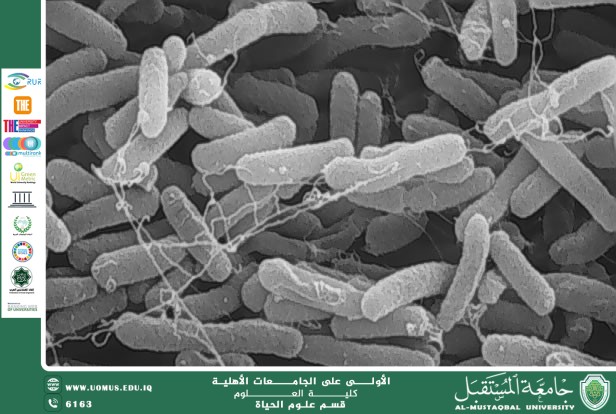
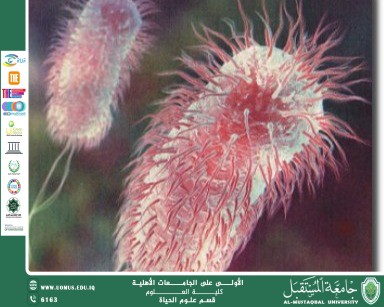
Synthetic biology represents a modern scientific revolution aimed at designing microorganisms with new capabilities to serve humanity across multiple fields, especially in industry and medicine. This field relies on integrating biology with engineering and technology, enabling the reprogramming of living cells to perform specific functions with high precision.
Synthetic biology is based on several key concepts, including engineering gene design, constructing biological circuits inside cells, and using biological programming to control the behavior of microorganisms. This is achieved by introducing new genes or modifying existing ones to accomplish specific functions.
Industrial Applications
Engineered microorganisms play a vital role in industry, where they are used in:
Biofuel production such as ethanol
Manufacturing industrial enzymes
Producing environmentally friendly materials
Waste treatment and pollution control
Medical Applications
In the medical field, synthetic biology has contributed to:
Production of drugs such as insulin
Vaccine development
Early disease diagnosis
Gene therapy
Synthetic biology is considered one of the most important fields of the future, as it opens broad horizons for improving human life, whether through advancing industries or enhancing healthcare. With continuous progress, engineered microorganisms are expected to become a key element in addressing many global challenges.
Al-Mustaqbal University… The First University
الهدف الرابع : التعليم الجيد