An academic article titled "Environmental Sustainability and its Role in Preserving Natural Resources" by Lecturer Samar Hussein Hussein
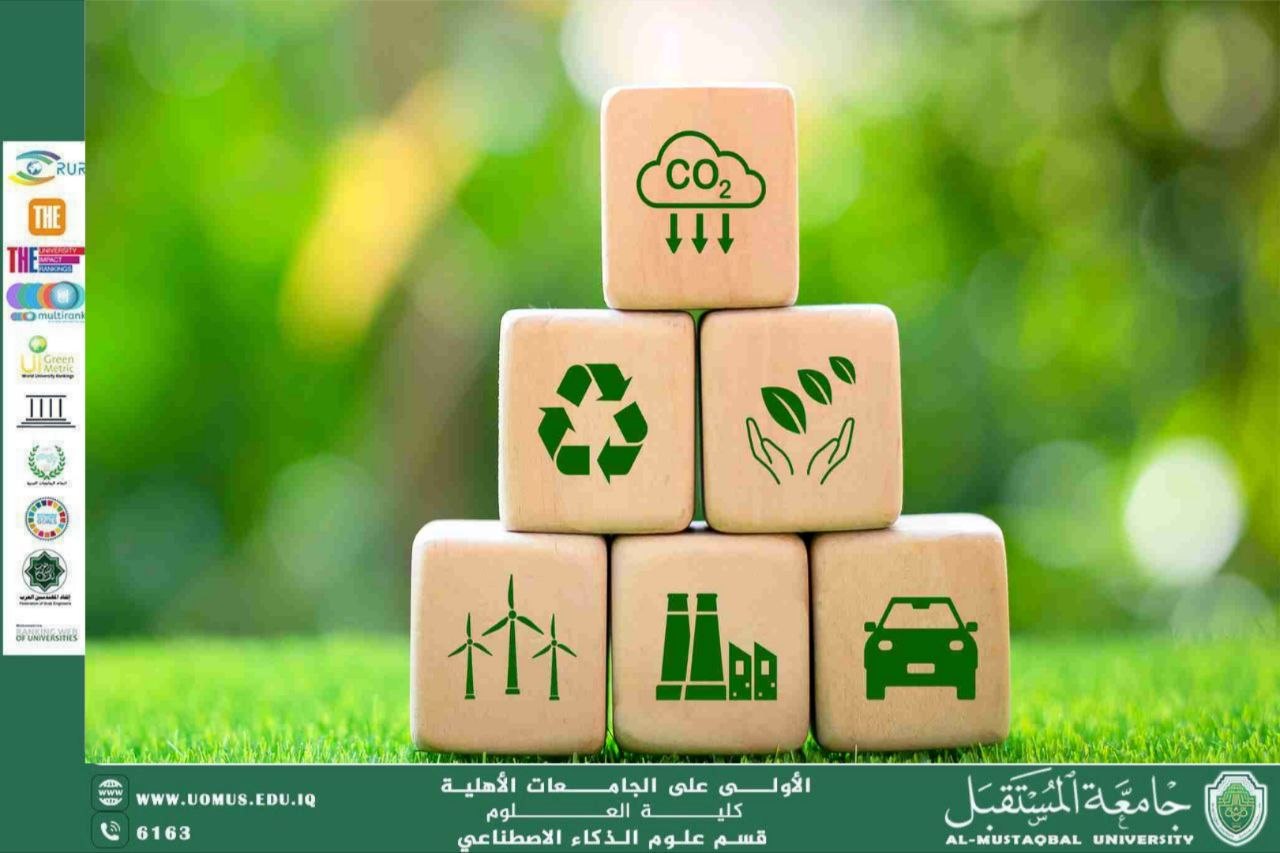
Environmental sustainability is considered one of the fundamental pillars for achieving comprehensive development in the modern world, as it seeks to maintain a delicate balance between meeting current human needs and preserving the rights of future generations to access natural resources. With the increasing environmental challenges such as climate change, pollution, and biodiversity loss, it has become essential to adopt sustainable policies and strategies that ensure the rational use of resources. Sustainability is based on the principle of not depleting resources beyond their ability to regenerate, which includes efficient water management, forest conservation, and reducing dependence on non-renewable resources. The transition toward clean energy sources such as solar and wind power is a crucial step in reducing harmful emissions. Moreover, environmental sustainability is closely linked to the economy, as the green economy contributes to creating new job opportunities and achieving economic growth without harming the environment. Local communities also play a significant role by adopting responsible daily practices such as reducing plastic use, reusing materials, and sorting waste. Environmental education is a powerful tool for raising awareness and instilling environmental values from an early age. In addition, modern technology has contributed to innovative solutions such as smart cities, intelligent waste management systems, and sustainable agriculture techniques that increase productivity while minimizing environmental impact. On the other hand, international cooperation is essential in addressing global environmental challenges, as issues like global warming, desertification, and ocean pollution require collective efforts from all nations. International agreements help unify these efforts and set clear sustainability goals. Furthermore, preserving biodiversity is extremely important because it ensures ecosystem stability and the continuation of essential natural services such as air and water purification. Achieving environmental sustainability is not limited to governments alone but involves all members of society, as even small positive actions can contribute to environmental protection. Ultimately, environmental sustainability represents an integrated approach aimed at building a safer and more stable future where natural resources are preserved and ecological balance is maintained, ensuring the continuity of life on Earth.