
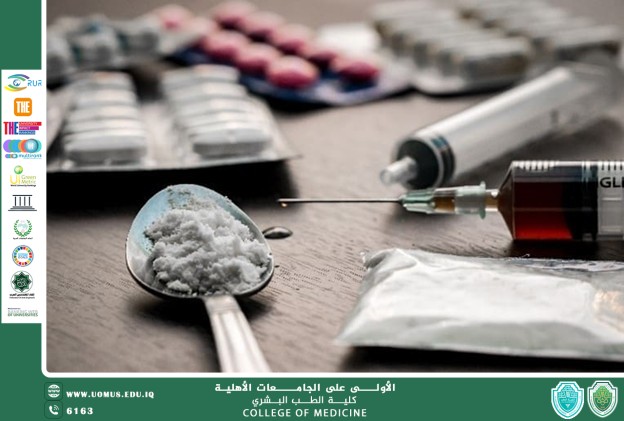
Drug Addiction: Causes, Mechanism, and Its Social, Psychological, and Health Impacts
1. Definition of Drug Addiction
Drug addiction is a chronic disorder characterized by compulsive drug use and an inability to stop using a substance despite awareness of its harmful consequences. Addiction leads to structural and functional changes in the brain, particularly in areas responsible for reward and behavioral control.
________________________________________
2. Causes of Drug Addiction
a. Biological Causes
• Genetic predisposition: A family history of addiction increases susceptibility.
• Neurochemical imbalances in the brain (e.g., dopamine dysfunction).
• Certain psychiatric disorders such as depression and anxiety.
b. Psychological Causes
• Escaping psychological stress or trauma.
• Low self-esteem.
• Curiosity or seeking temporary pleasure.
• Feelings of loneliness or failure.
c. Social and Environmental Causes
• Family disintegration or lack of supervision.
• Peer pressure.
• Poverty and unemployment.
• Easy access to drugs.
• Lack of health education and awareness.
________________________________________
3. Mechanism of Addiction
The process of addiction generally occurs in the following stages:
1. Experimental Stage: The individual begins drug use out of curiosity or peer influence.
2. Regular Use Stage: Drug use becomes habitual.
3. Tolerance Stage: Increasing doses are required to achieve the same effect.
4. Dependence Stage: The body becomes physically dependent on the drug.
5. Addiction Stage: Loss of control over drug use accompanied by withdrawal symptoms upon cessation, such as:
o Anxiety
o Sweating
o Insomnia
o Depression
o Irritability
How Do Drugs Affect the Brain?
• Drugs increase the release of dopamine in the brain's reward center.
• This results in temporary feelings of euphoria.
• With repeated use, the brain adapts and natural dopamine production decreases.
• The individual becomes unable to feel pleasure without the drug.
________________________________________
4. Health Impacts
a. Physical Effects
• Cardiovascular diseases and hypertension.
• Liver cirrhosis.
• Nervous system damage.
• Weakened immune system.
• Respiratory disorders.
• Increased risk of infectious diseases (e.g., HIV and hepatitis).
b. Psychological Effects
• Depression and anxiety.
• Hallucinations and psychosis.
• Sleep disturbances.
• Impaired memory and concentration.
• Aggressive or suicidal behavior.
________________________________________
5. Social Impacts
• Family breakdown.
• Job loss or academic failure.
• Violence and criminal behavior.
• Social isolation.
• Poverty and homelessness.
• Increased risk of road traffic accidents.
________________________________________
Conclusion
Drug addiction is a complex health and social problem resulting from the interaction of biological, psychological, and social factors. It has serious consequences for both individuals and society. Prevention requires education, family support, and mental health promotion, while effective treatment depends on comprehensive medical, psychological, and rehabilitation programs.