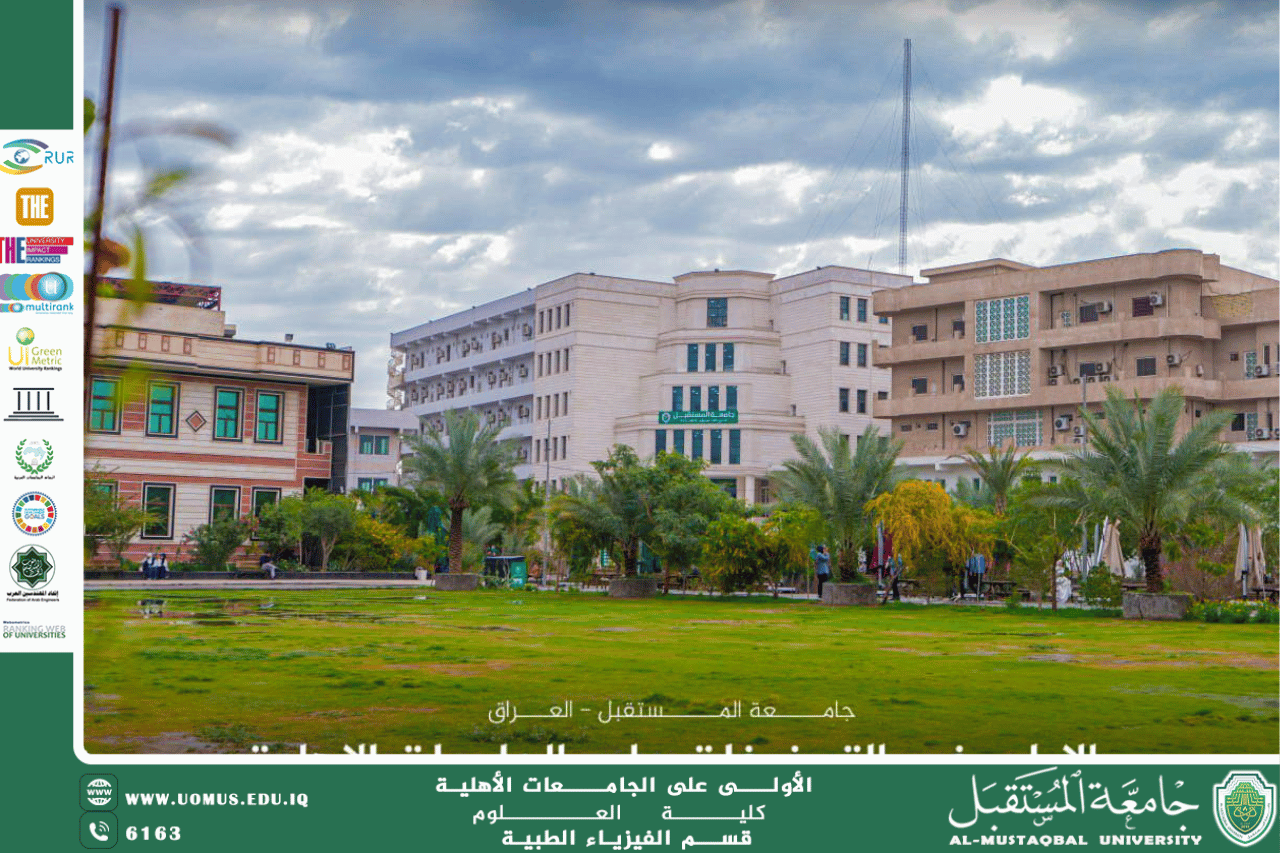
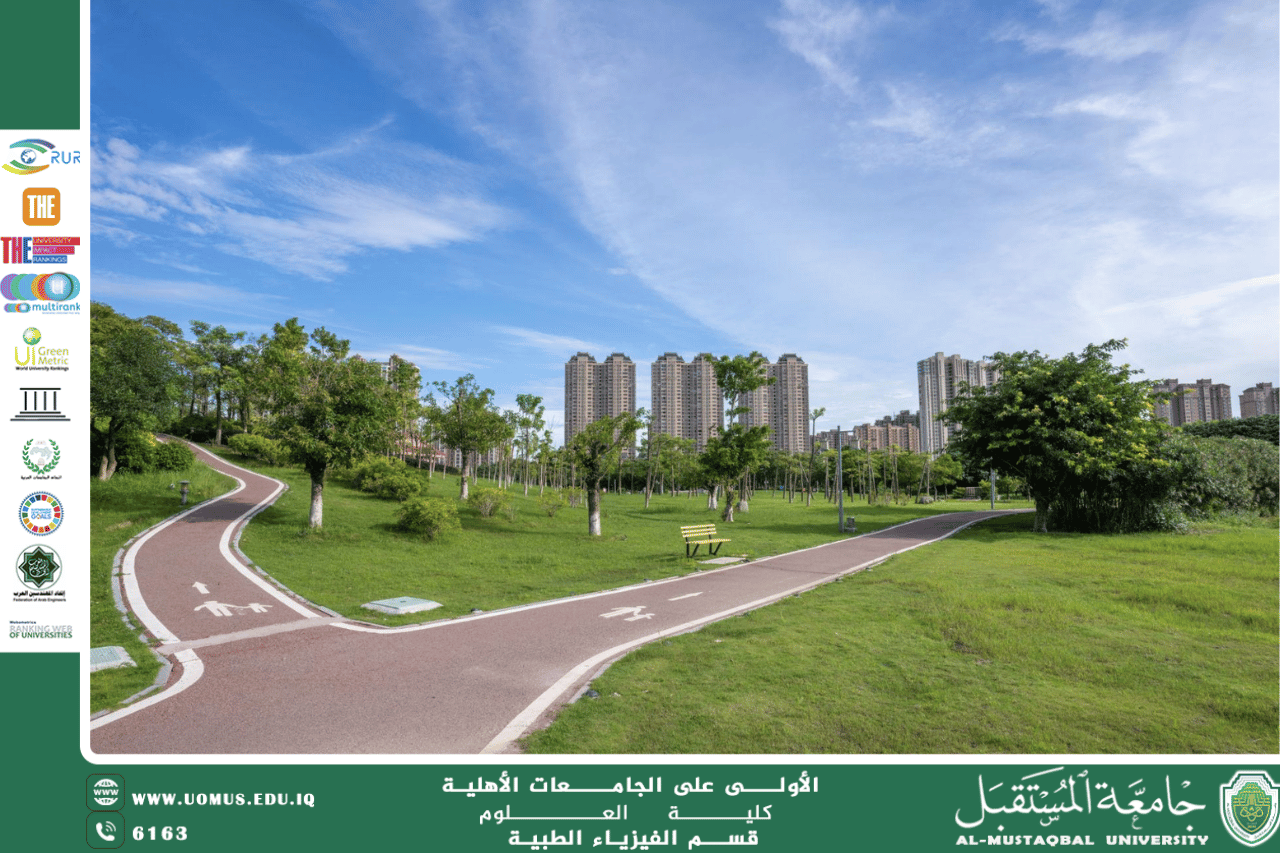
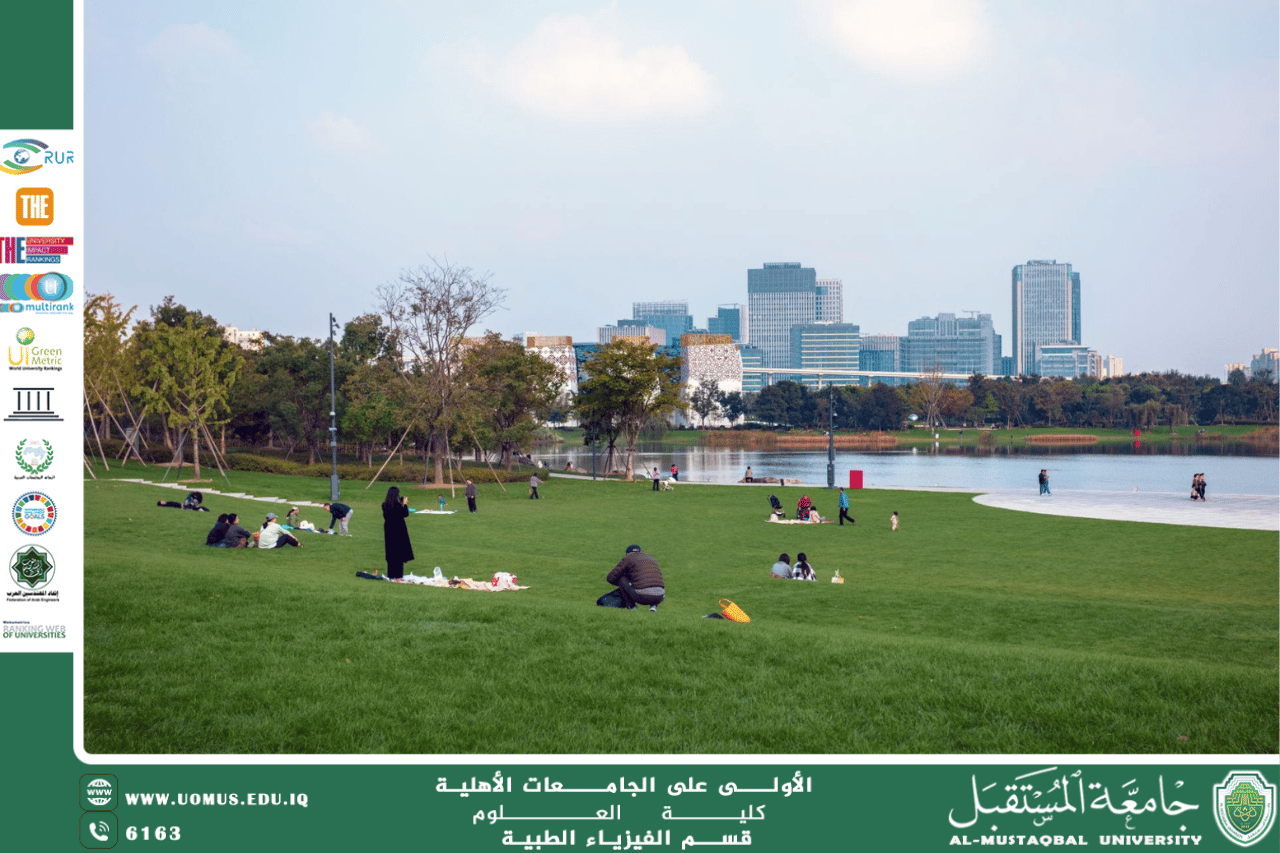
Green Spaces ..The Living Heart of Smart Cities Artical By MSC.Hamza Abass
SDG Type: Goal 11 — Sustainable Cities and Communities
Green spaces in cities are no longer just a visual luxury. They have become a real part of urban quality of life. A modern city is not measured only by its buildings and roads, but also by how much room it gives people to breathe, walk, gather, and feel connected to their environment. The World Health Organization notes that urban green spaces can support both mental and physical health, reduce stress, encourage physical activity, and help lower exposure to excessive heat, noise, and some pollutants.
Their value becomes even clearer in crowded and high-temperature cities. The U.S. Environmental Protection Agency explains that trees and vegetation lower surface and air temperatures through shade and evapotranspiration, and that green infrastructure can reduce urban heat-island effects. In other words, planting trees is not just beautification. It is a practical investment in healthier neighborhoods and more comfortable public spaces.
Green spaces also strengthen the human side of city life. They create places for community interaction, volunteering, relaxation, and a stronger sense of belonging. That is why this issue connects directly to Sustainable Development Goal 11, which calls for cities and human settlements to be inclusive, safe, resilient, and sustainable. In a rapidly urbanizing world, a park, a shaded walkway, or even a line of trees along a street can have a much bigger impact than it first appears.
A successful city is not only the one with taller buildings, but the one that still leaves space for people to live well. Sometimes, building a better future begins with a simple decision: plant more, protect more, and treat nature as a core part of planning rather than an afterthought.
AL_mustaqbal University is the first university in Iraq