The AI Revolution in Construction Sites
Introduction
Artificial Intelligence is no longer just science fiction; it has become the backbone of modern civil engineering. By integrating advanced algorithms into construction sites, we are shifting from traditional methods reliant on human estimation to smart management based on precise data.
1. Digital Design and Digital Twins
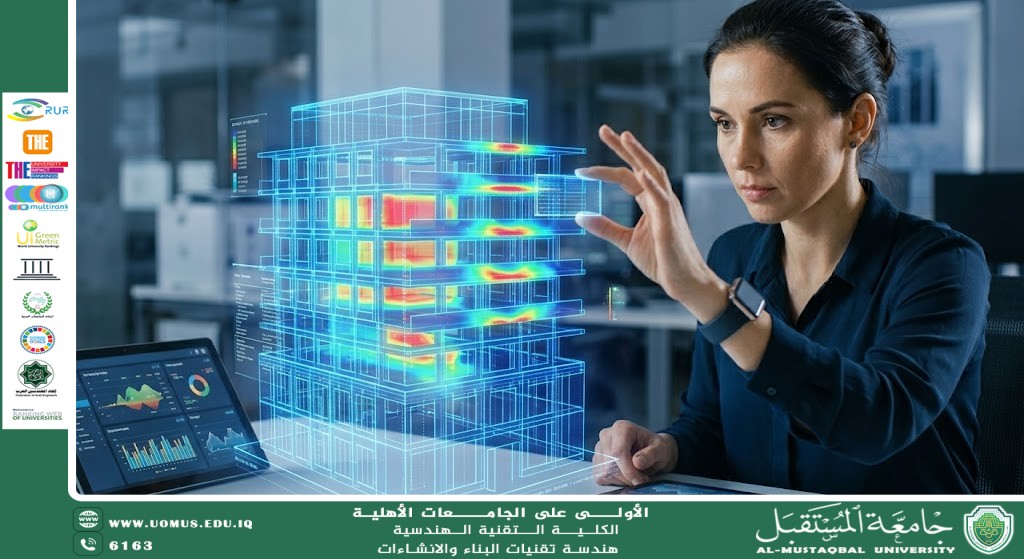
The revolution begins in engineering offices with AI-powered Building Information Modeling (BIM). This technology enables the creation of "Digital Twins," where algorithms can test thousands of design scenarios to select the most efficient in terms of energy consumption and structural durability before a single stone is laid.
2. Robotics and Autonomous Machinery
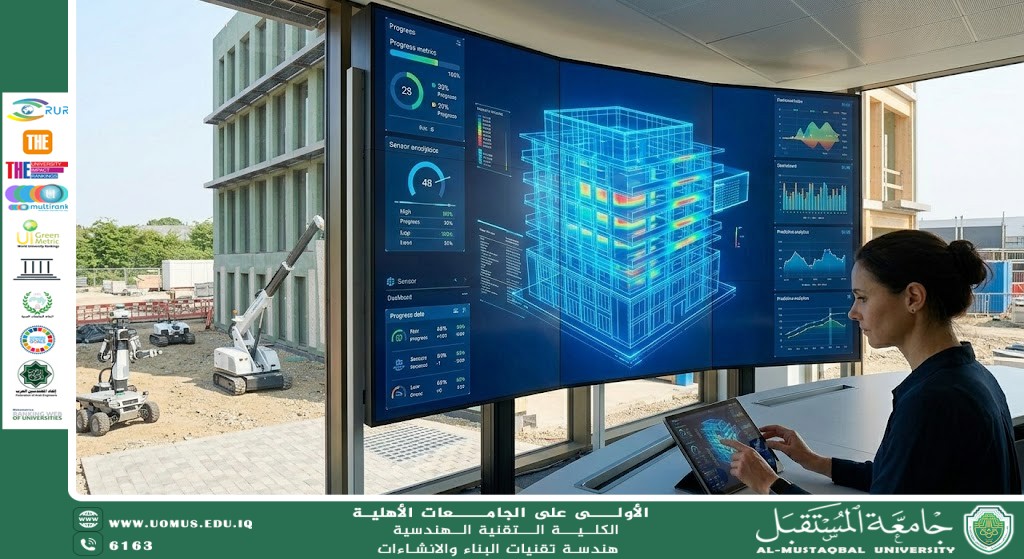
On-site, we now see earthmovers and cranes operating autonomously or semi-autonomously. These machines use sensors and 3D mapping to execute tasks with extreme precision, reducing the risk of human accidents and increasing the speed of completion.
3. Autonomous Management and Data Analytics
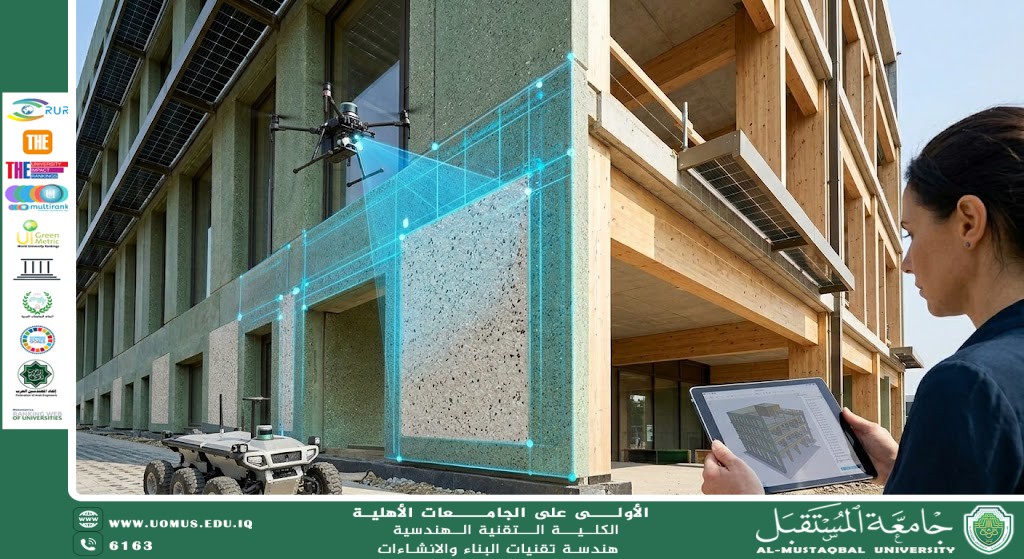
AI analyzes real-time data from drones and cameras to monitor workflow. The system can predict delays before they occur, automate inventory management, and identify structural defects in their early stages using computer vision.
Conclusion
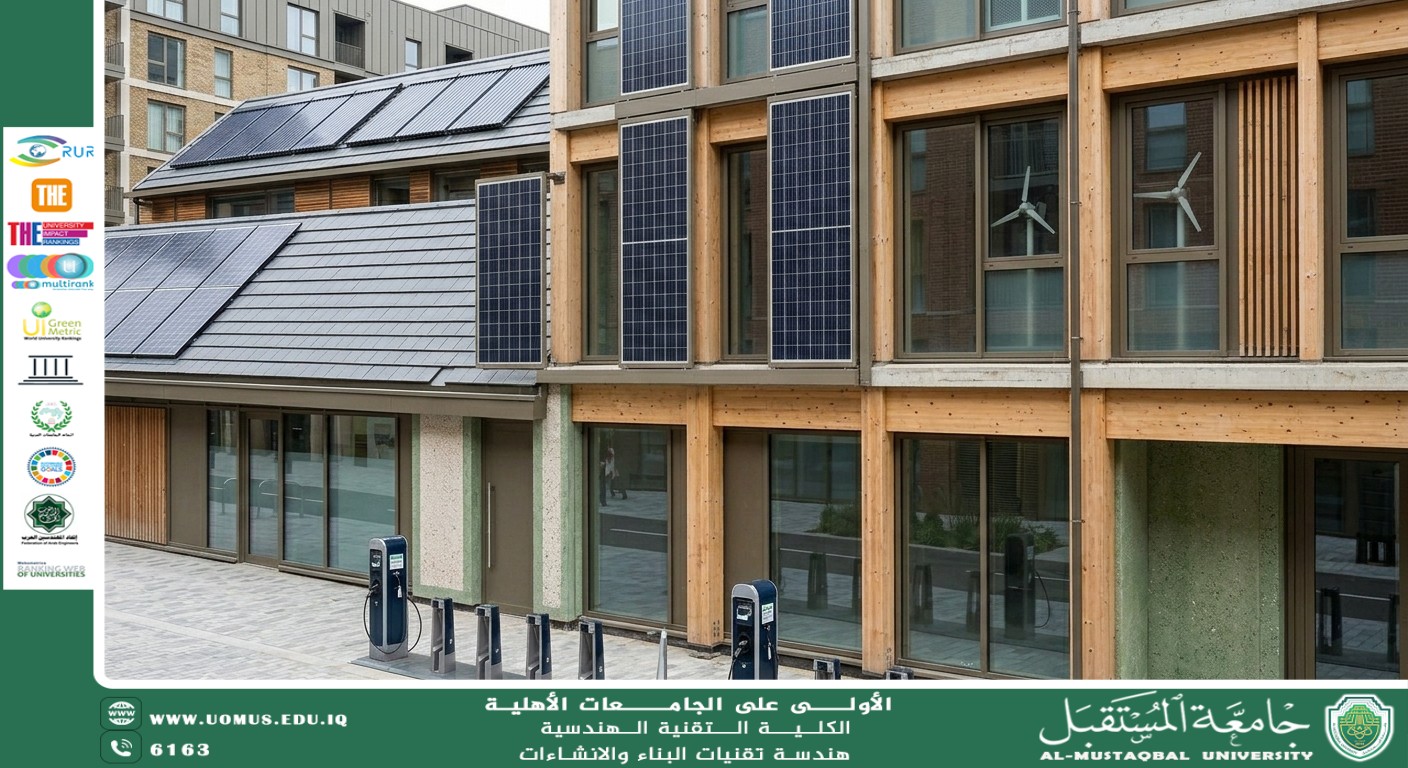
Adopting AI is not a luxury; it is a necessity to reduce waste (which reaches up to 30% in traditional projects) and ensure worker safety and the sustainability of structures.
أهم الفروقات التقنية المذكورة (Technical Key Terms):
BIM: Building Information Modeling | نمذجة معلومات المباني.
Digital Twins: التوائم الرقمية.
Computer Vision: الرؤية الحاسوبية (قدرة الآلة على فهم الصور).
Autonomous Machinery: الآلات ذاتية القيادة.