Mechanical Engineering in Aviation: The Force Behind Flight
In a world where the sky has become a daily pathway for millions of travelers, every successful flight stands upon a complex engineering system, at the forefront of which is mechanical engineering. This field goes far beyond theoretical concepts; it forms the backbone of every component of an aircraft, from its external structure to the finest details of its internal systems.
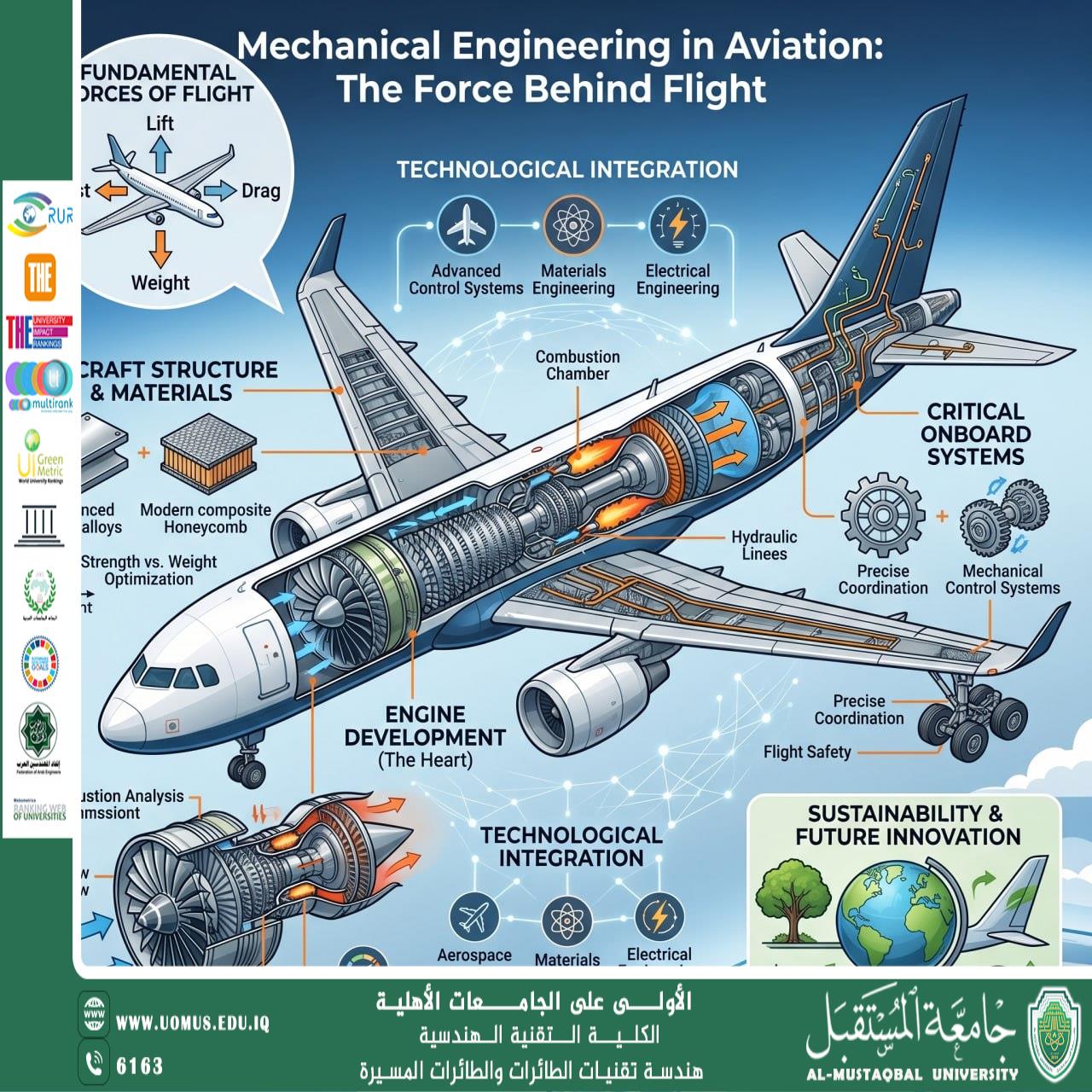
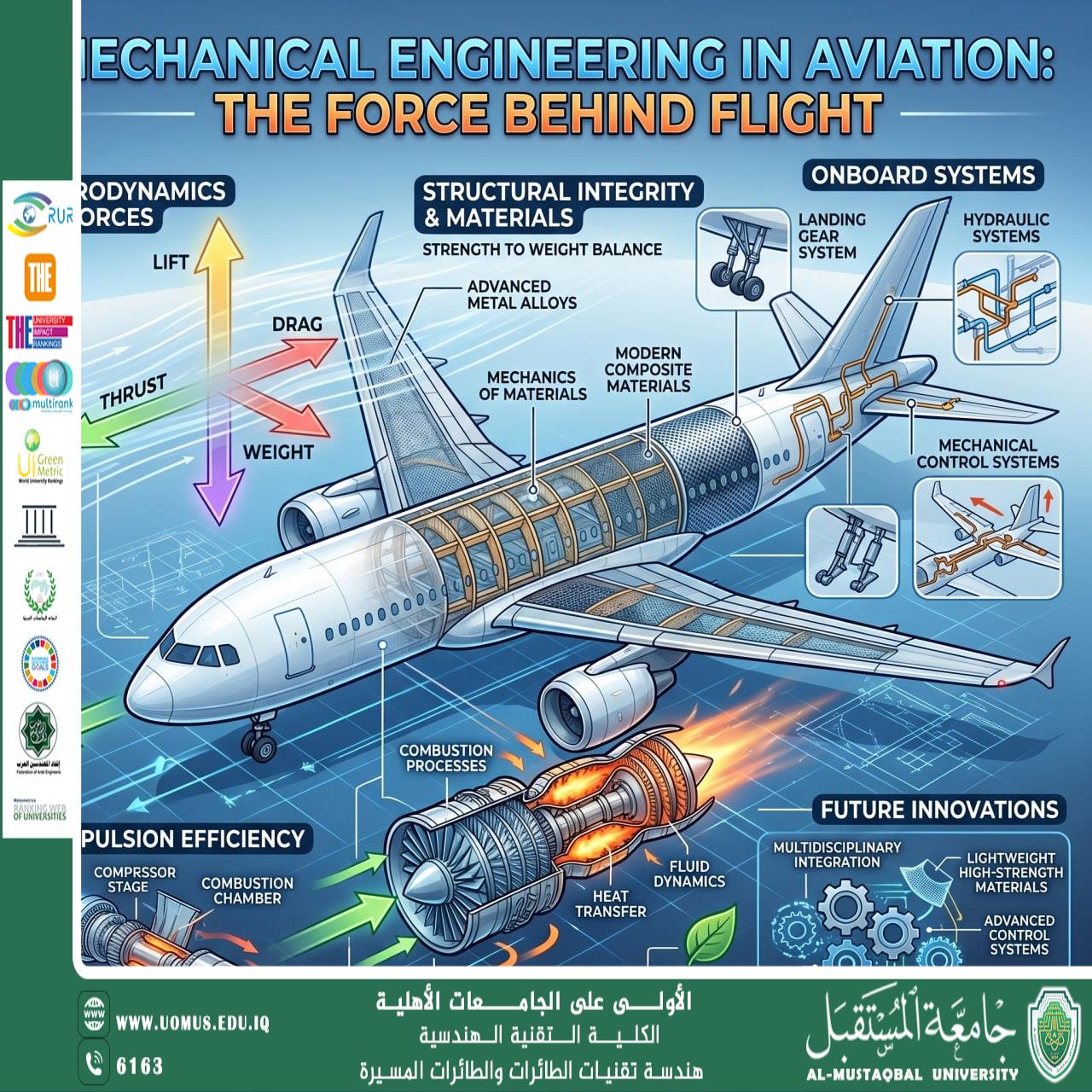
Aircraft rely on a delicate balance of fundamental forces to achieve flight, including lift, which keeps them airborne, thrust, which propels them forward, as well as drag and weight. Here, the essential role of mechanical engineering becomes evident, as it provides the scientific tools needed to analyze these forces and understand their impact on the aircraft’s motion and stability. Through such analysis, engineers are able to design aircraft that operate efficiently while maintaining the highest levels of safety.
The role of mechanical engineering extends beyond motion analysis to the design of the aircraft structure itself, which is one of the most challenging aspects of aviation. The structure must be strong enough to withstand various stresses during takeoff, flight, and landing, while also being lightweight to reduce fuel consumption. To achieve this balance, engineers apply the principles of mechanics of materials to select and design optimal materials, such as advanced metal alloys and modern composite materials, ensuring both strength and efficiency.
Mechanical engineering also plays a central role in the development of aircraft engines, which are considered the heart of the aircraft. Designing these engines requires a deep understanding of combustion processes, heat transfer, and fluid dynamics. Engineers continuously strive to improve engine efficiency, reduce fuel consumption, and minimize emissions without compromising performance or safety. These efforts are part of the global movement toward more sustainable and environmentally friendly aviation.
In addition, mechanical engineering is responsible for designing critical onboard systems, including landing gear, hydraulic systems, and mechanical control systems. These systems operate in precise coordination to ensure that the aircraft responds effectively and reliably to various commands, both under normal conditions and in emergencies. This aspect is particularly sensitive, as even minor failures can significantly impact flight safety.
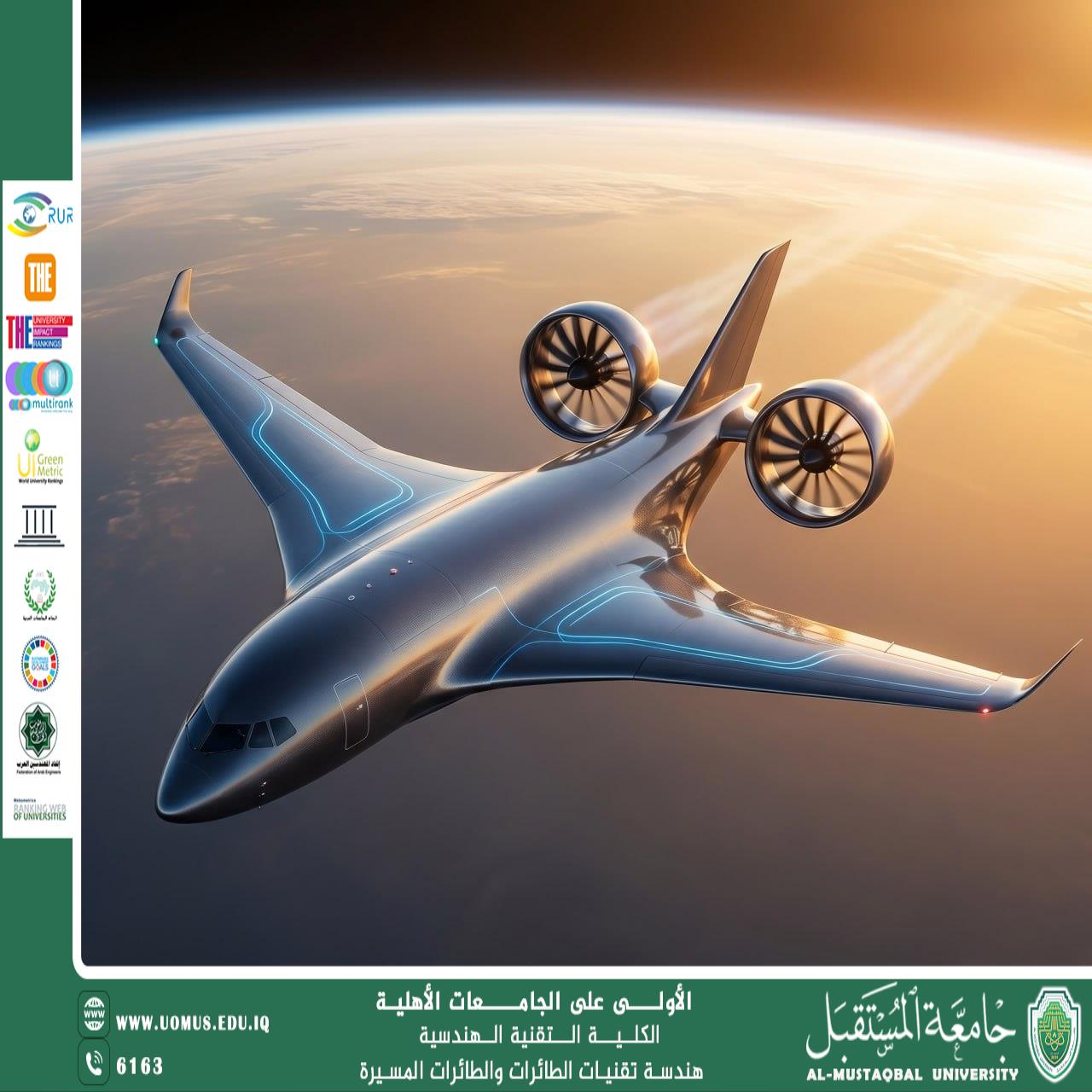
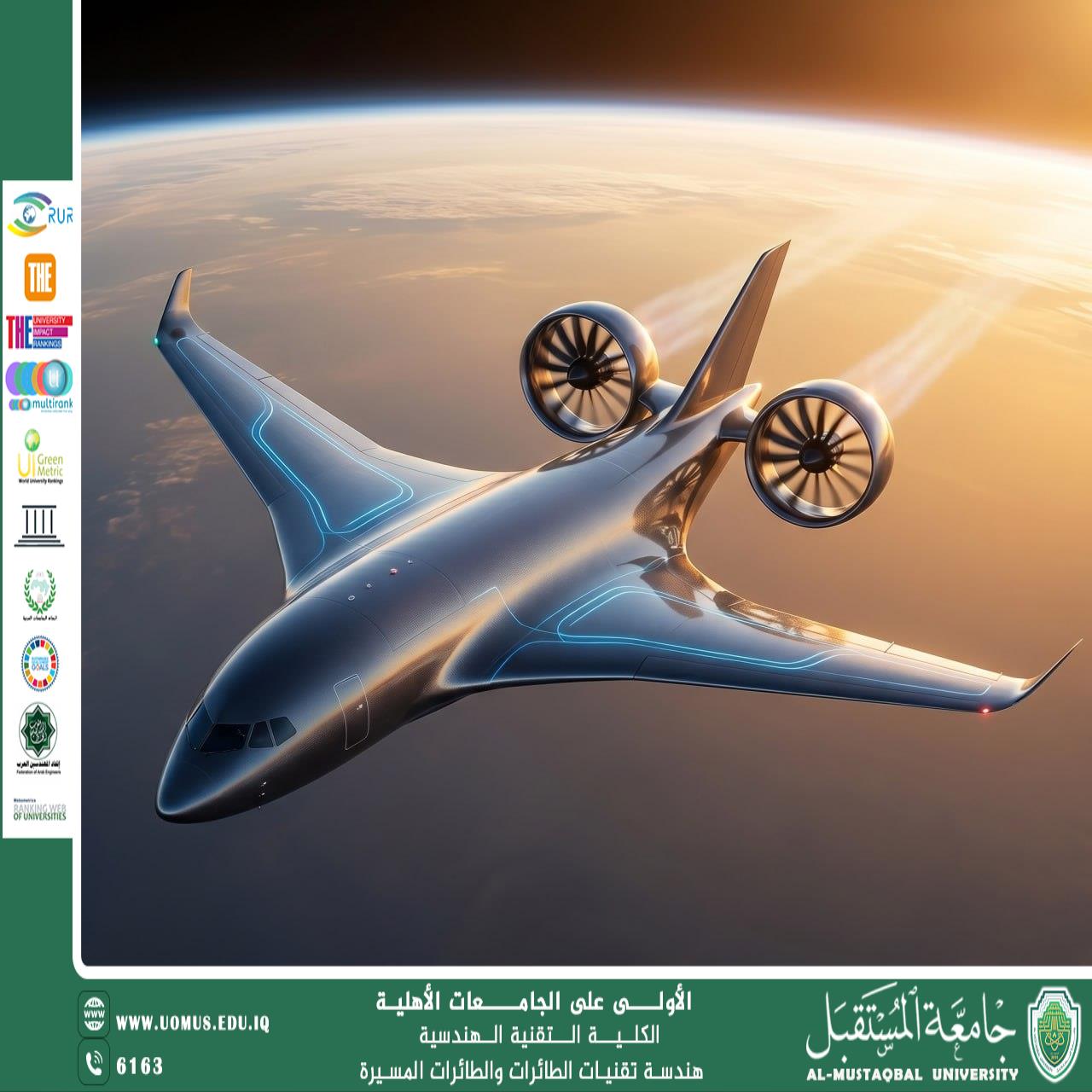
With rapid technological advancements, mechanical engineering increasingly integrates with other disciplines such as aerospace engineering, materials engineering, and electrical engineering to develop more advanced and intelligent aircraft. This integration has led to modern innovations, including lightweight high-strength materials, advanced control systems, and even autonomous aircraft technologies.
In light of today’s environmental challenges, the role of mechanical engineering has become even more significant in reducing the environmental impact of aviation. By improving aircraft and engine design, engineers can lower fuel consumption and carbon emissions, contributing to a balance between technological progress and environmental preservation.
In conclusion, mechanical engineering is not merely a supporting discipline in aviation; it is the driving force that makes flight possible, efficient, and safe. As innovation continues, its role will remain essential in shaping the future of aviation and pushing it toward greater advancement and sustainability.