Cybersecurity in banks: Solutions and challenges
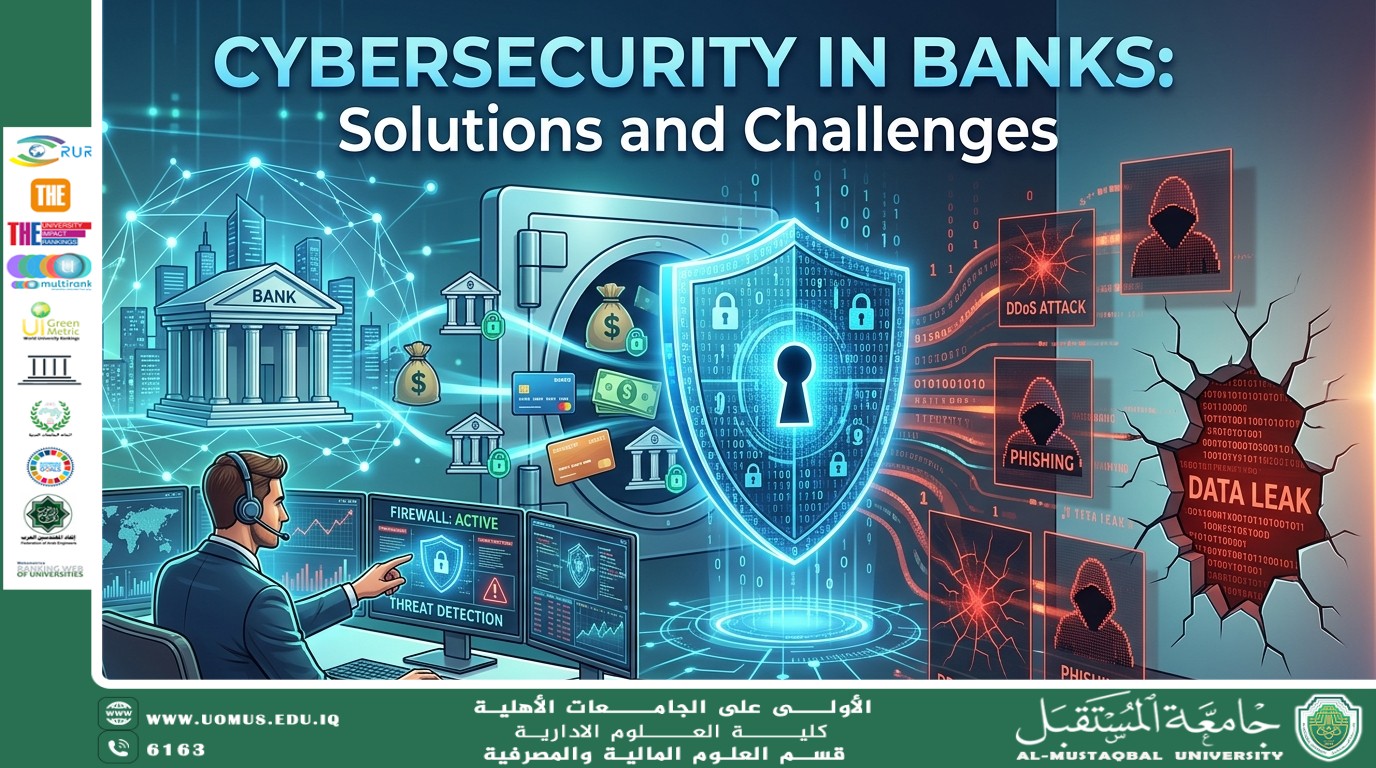
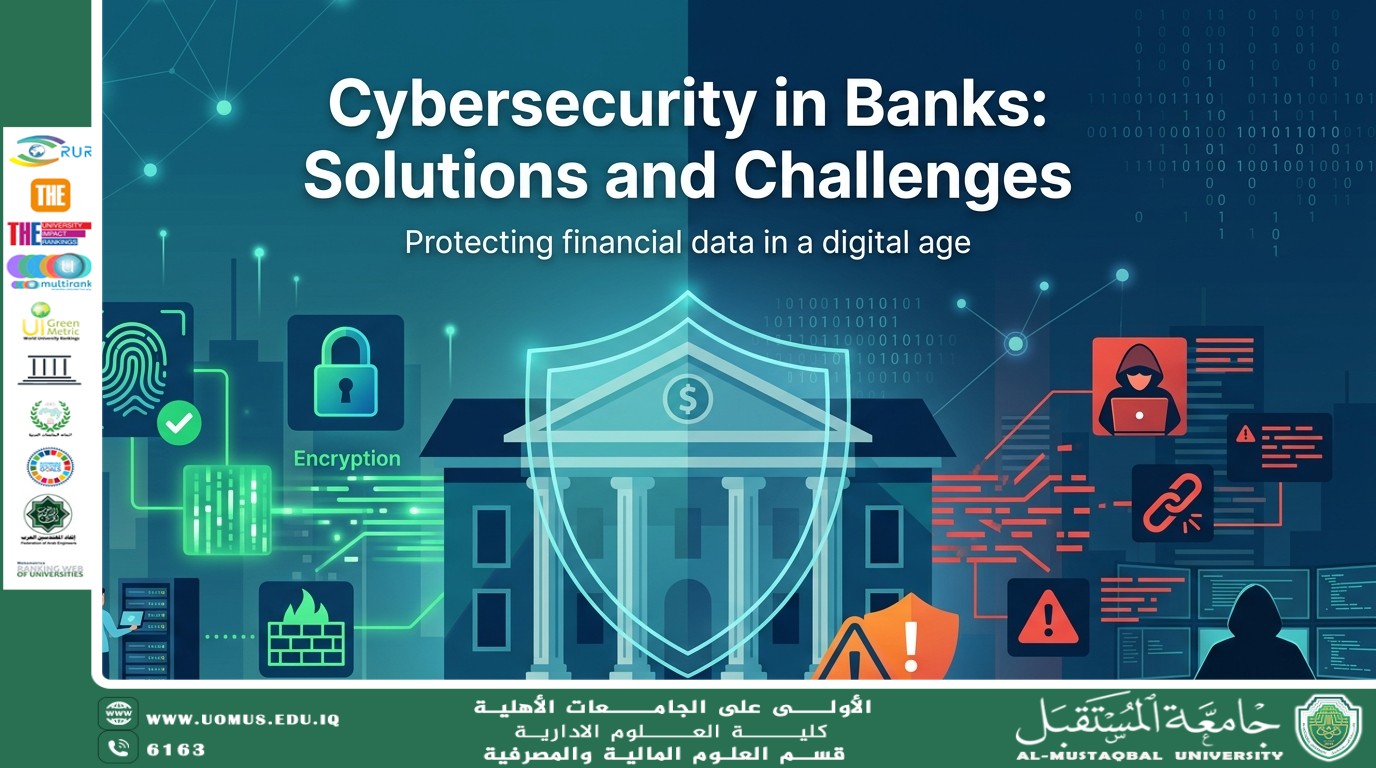
Cybersecurity in banks is no longer a purely technical matter as it once was, but has become an essential part of the very core of banking operations and their stability. From my experience and knowledge in this field, I can say that the digital transformation banks are undergoing today, despite the speed and efficiency it offers in service delivery, has also opened new doors to risks that did not exist in this form before. A bank is no longer just a building where money is stored, but has become a complex network of systems, applications, and data that are exposed daily to advanced and continuous hacking attempts. What is striking is that the nature of cyberattacks has changed dramatically. They are no longer random or simple, but have become organized and sometimes managed by professional entities possessing sophisticated tools and technologies. Today, we see phishing attacks carefully designed to appear as legitimate messages, and ransomware attacks that can paralyze an entire bank's systems within hours, in addition to hacking attempts targeting sensitive customer data. Even more dangerous is that the vulnerability is not always in the system itself, but in the human element, where a simple mistake by an employee or customer can open the door to a major breach. On the other hand, the rapid expansion of electronic banking services, such as mobile applications and online services, has greatly broadened the attack surface. Every new service adds value for the customer, but at the same time, it also exposes them to other threats.