Scientific Article: Modern Technologies for Blood Glucose Monitoring: A Comprehensive Practical Guide
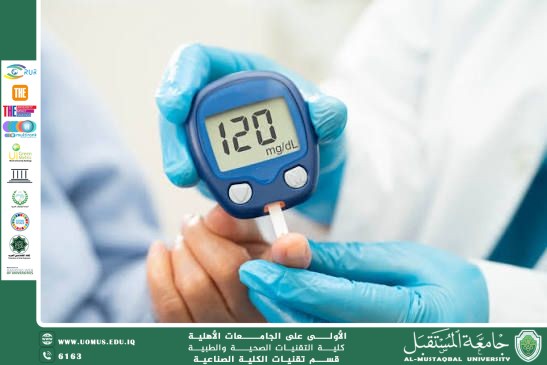
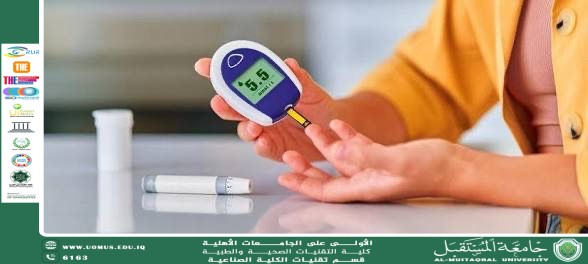
Diabetes monitoring technologies have witnessed tremendous development in recent years, shifting from traditional finger-prick devices to advanced Continuous Glucose Monitoring (CGM) systems. These systems are now capable of providing real-time readings and precise analytics, helping both patients and physicians manage the disease more effectively and improve quality of life.
Innovative Technologies
1. Continuous Glucose Monitoring (CGM) Systems
These systems represent a true revolution in diabetes management. They rely on a small sensor worn on the arm or abdomen to measure glucose levels in interstitial fluid every few minutes, with readings transmitted directly to a receiver or a smartphone application.
2. Implantable Sensors
Implantable sensor technology represents a significant leap forward, with systems such as the Eversense CGM recently approved. It is implanted under the skin by a healthcare professional and can last up to 90 continuous days. This sensor uses light-based technology to measure glucose and transmit data.
3. Needle-Free Sensors
The Biolinq Shine system represents the first FDA-approved sensor that does not require a subcutaneous needle. It uses a shallow micro-array to measure glucose and displays data through colored lights on a patch placed on the forearm.
How Modern Technologies Work
Although mechanisms vary depending on the technology used, the general process can be summarized as follows:
1. Sensor Application: A small sterile sensor is attached to the back of the upper arm or abdominal area according to the manufacturer’s instructions. This process usually takes only a few seconds.
2. Activation: After placement, the sensor is activated either by scanning it with a dedicated reader or by connecting it directly to a smartphone via Bluetooth.
3. Warm-up Period: Most devices require a short calibration period ranging from one to twelve hours before starting to transmit readings.
4. Monitoring Readings and Alerts: Once activated, the sensor continuously sends readings (usually every 5 minutes). The app analyzes the data, generates trend graphs, and sends alerts in cases of high or low glucose levels.
5. Sensor Replacement: The sensor must be replaced after its expiration period, which varies by device (typically 7 to 15 days).
Leading Companies in the Field
Based on market share and annual revenue in 2023, the following companies are the leading providers of these technologies:
• Abbott: Ranked first globally with annual revenue of $5.8 billion. It manufactures the FreeStyle Libre 3 system, one of the most widely used CGM systems worldwide.
• Dexcom: Ranked second with $3.6 billion in annual revenue, known for highly accurate systems such as the Dexcom G7, which offers excellent accuracy (MARD up to 8.2%).
• Medtronic: Ranked third with $2.5 billion in revenue, offering integrated solutions combining insulin pumps and CGM devices.
• Roche: Ranked fifth with $1.5 billion in revenue, a long-established company that has recently entered the CGM market with competitive solutions.
• Trinity Biotech: A promising emerging company offering CGM+ technology that operates for up to 15 days without traditional calibration, targeting the low-cost segment to improve accessibility.
Conclusion
Modern blood glucose monitoring technologies represent a major breakthrough in diabetes management, offering patients greater freedom and flexibility in daily life with improved glucose control. Leading companies continue to compete in delivering more accurate, intelligent, and user-friendly solutions, promising a brighter future for diabetes patients worldwide.
Prepared by:
Head of Department, Professor Dr. Younis Abdulridha Al-Khafaji
Al-Mustaqbal University The First University in Iraq