Design and Technology: Ideas Shaping the Future Artical Paper by Ms. Noor Faras
In our modern age, design is no longer merely a matter of visual beautification or arranging shapes and colors. It has become an integrated language that intersects with technology to shape the way we live, learn, communicate, and work. Every application we use, every website we visit, and every smart device we interact with is built upon thoughtful design and advanced technology working together to create an experience that is simple, effective, and impactful. From this perspective, the world of design and technology has emerged as one of the most dynamic and influential fields in contemporary human life.
At its core, design is based on understanding people and their needs, then transforming that understanding into practical and appealing solutions. Technology, on the other hand, is the tool that gives these solutions the power to be implemented, expanded, and made influential. When the two fields meet, modern digital products and innovations emerge that do not merely perform a specific function, but provide a complete experience that considers comfort, speed, accuracy, and ease of use. For this reason, today’s designer no longer works apart from technology, and programmers and developers can no longer do without design thinking.
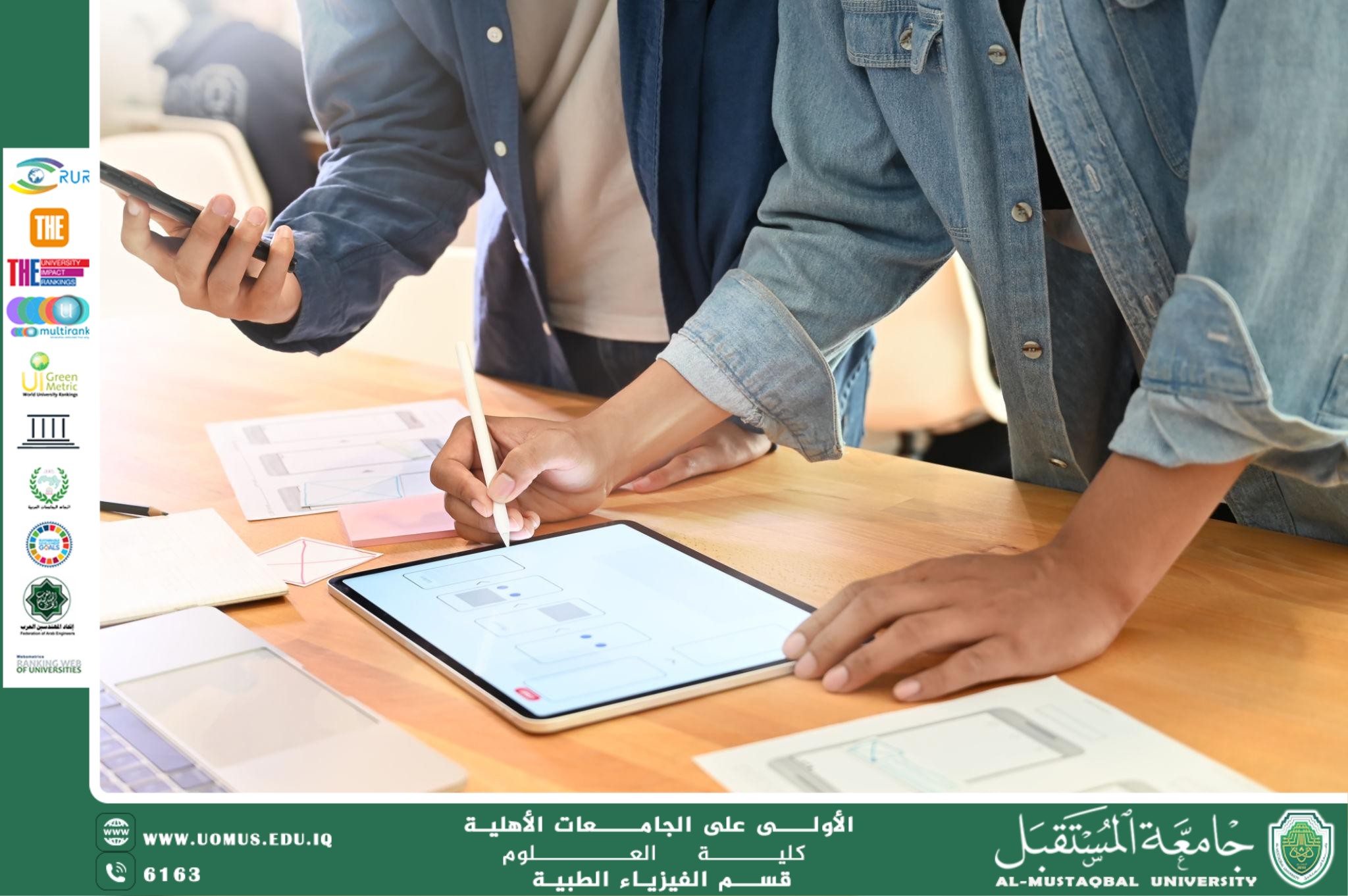
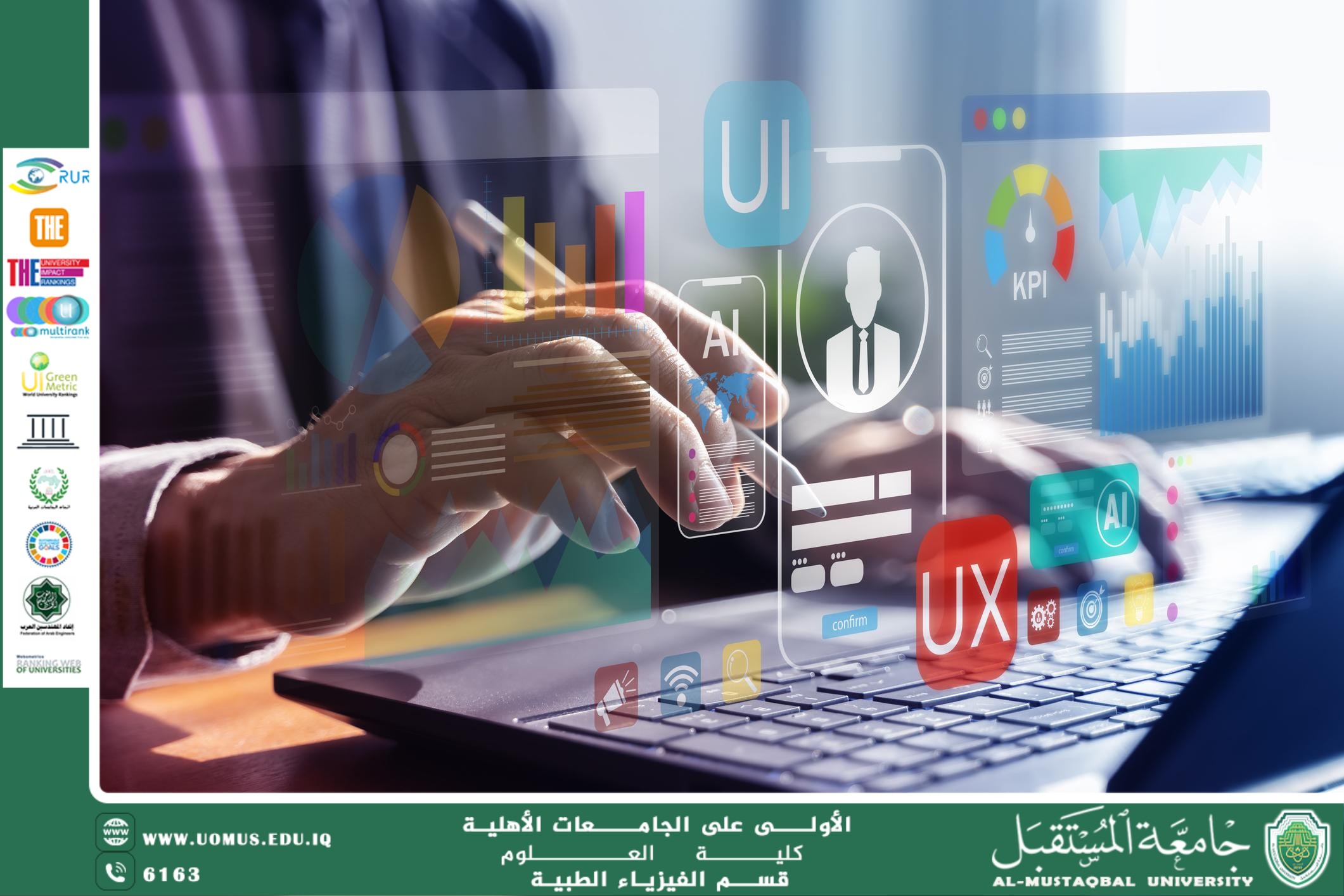
In the past, design was often associated with printed materials, logos, and visual identity. Today, however, it has become a fundamental part of building digital systems. User interface design, user experience design, interactive design, application design, and smart product design are all fields that have grown out of the deep overlap between visual creativity and technological progress. This development has made the designer a strategic factor in the success of any technological project, because the quality of an idea alone is not enough if it is not presented to people in a clear, comfortable, and attractive way.
The importance of this field becomes clear in the fact that the user does not see the complex programming behind a system, but feels the quality of the design directly. If an application is easy, fast, and well-organized, it leaves a positive impression and encourages the user to continue using it. But if it is confusing, slow, or unclear, the user may abandon it no matter how powerful its features are. For this reason, major companies now invest in design as much as they invest in technical development, because the success of modern products depends on the integration of performance, appearance, and user experience.
Among the most important transformations that have strengthened the relationship between design and technology are the emergence of artificial intelligence, augmented reality, virtual reality, 3D printing, and generative design. Technology today no longer simply serves design; it sometimes takes part in producing it, developing it, and accelerating its stages. Designers can now test their ideas quickly, create prototypes in a short time, analyze user behavior accurately, and develop experiences that are more intelligent and personalized. This does not mean that the human role has diminished. On the contrary, the need has grown for designers who are capable of critical thinking and of understanding the human meaning behind the tool.
The world of design and technology is no longer limited to technology companies alone. It has become present in education, healthcare, media, commerce, engineering, security, and even government work. Educational platforms need good design to make learning easier. Hospitals need systems that are clear and secure. Digital stores rely on design that attracts users and builds trust. Smart cities need carefully designed solutions that serve people efficiently. This shows that design is no longer a secondary aspect, but has become part of decision-making and improving quality of life.
In this fast-moving world, new skills have emerged as essential for anyone who wants to enter this field, such as creative thinking, understanding user behavior, working with modern design tools, the ability to collaborate with developers, and knowledge of programming fundamentals and digital logic. A successful designer today is not only someone with visual taste, but someone who knows how to turn a problem into a solution, an idea into a product, and a vision into an experience that has real impact.
Despite the wide opportunities this field offers, it also presents important challenges, such as preserving privacy, ensuring accessibility for all users, avoiding deceptive design, and taking into account the psychological and social effects of technology. The greater a designer’s ability to influence people, the greater the ethical responsibility. Therefore, good design is not measured only by its beauty or modernity, but by its ability to serve people with respect, clarity, and fairness.
The world of design and technology is a world that quietly shapes the future, because it changes the details of our daily lives, often without us even noticing. Whoever understands this field realizes that the greatest innovations are born neither from technology alone nor from beauty alone, but from the intelligent meeting point between the two. When a creative idea meets an advanced tool, design becomes power, technology becomes a language, and the future becomes closer to people and more capable of meeting their needs.
AL_mustaqbal University is the first university in Iraq.